Jambu (Jumboo, Faran, or Jimbu) , Uttarakhand
A Hidden Gem of Uttarakhand’s Culinary and Medicinal Heritage
Jambu, also known as Jamboo, Faran, or Jimbu, is a wild herb native to the high-altitude regions of Uttarakhand, India. Belonging to the onion family, this remarkable herb has earned its place as a beloved and indispensable ingredient in the kitchens of the Himalayan state. Known for its strong, onion-like flavor, Jambu is a key seasoning used to enhance a variety of dishes, including soups, dals, pickles, and meats, making it a staple in local cuisine.
Botanical Overview
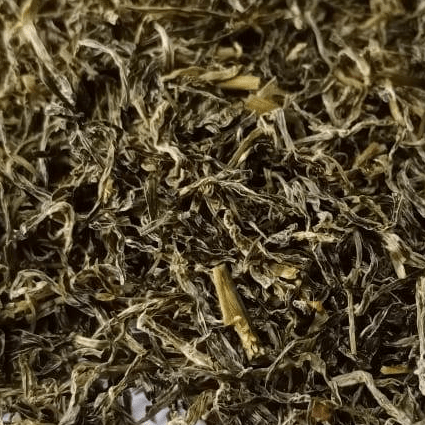
Jambu, scientifically known as Allium stracheyi, is a perennial herb with slender green leaves and small, rosy flowers. It thrives in the rugged, high-altitude landscapes of Uttarakhand, particularly in the alpine regions. The herb is traditionally grown on terraced fields by local farmers, most of whom are women who play a vital role in harvesting and processing Jambu. The leaves and inflorescence are dried and preserved, ensuring that the herb can be used year-round.
Culinary Uses
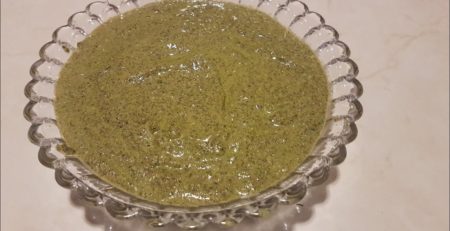
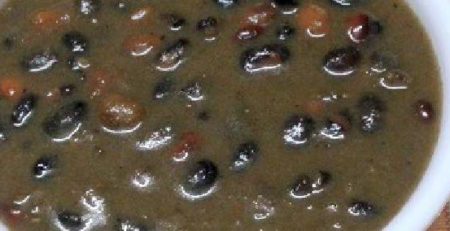
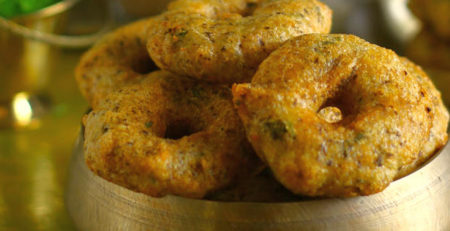
In the kitchens of Uttarakhand, Jambu is highly valued for its bold, unique flavor. The dried leaves and flower clusters of the herb are used as a condiment to add depth and complexity to a range of traditional dishes. Typically fried in ghee with a pinch of salt, turmeric, and chili, Jambu is used to season soups, curries, dals, and even pickles. The herb imparts a flavor that is often described as a blend of onion and chives, offering a subtle yet powerful aromatic kick to the food. Its versatility makes it an essential ingredient in Uttarakhandi cuisine, where it is used to elevate both vegetarian and non-vegetarian dishes.
Medicinal Benefits
Beyond its culinary applications, Jambu is also believed to offer a variety of medicinal benefits. In traditional practices, Jambu is used to aid digestion, alleviate bloating, and promote better gut health. It is also said to have blood-purifying properties and is often used in home remedies to treat common ailments. Some believe that Jambu can help reduce menstrual discomfort and improve overall well-being. Its role in maintaining a healthy digestive system has made it a trusted herb for centuries in Uttarakhand, where local communities continue to use it for its healing properties.
Sustainability and Preservation
One of the remarkable aspects of Jambu is its ability to withstand the harsh conditions of the high Himalayas. Once harvested, the herb can be dried and stored for long periods, ensuring it remains available throughout the year. This long shelf life, coupled with sustainable farming practices, makes Jambu a vital resource for local communities in Uttarakhand. The herb’s cultivation is typically done in small, family-owned terraced fields, ensuring that it is harvested in an eco-friendly manner while preserving the integrity of the environment.
Cultural Significance
Jambu holds a special place in the hearts of the people of Uttarakhand. It is not just a spice or medicinal herb but a symbol of the deep connection the locals have with their land. The traditional farming practices, passed down through generations, are a testament to the wisdom of the region’s people who have lived in harmony with nature for centuries. Jambu’s continued use in Uttarakhandi cuisine and folk medicine speaks to the rich cultural heritage of the state.
Jambu, with its distinct flavor and numerous health benefits, is a true gem of Uttarakhand. This wild herb has played a pivotal role in shaping the culinary landscape of the region, adding depth and richness to local dishes. Its medicinal properties further enhance its importance, making it not only a spice but also a valuable natural remedy. Jambu is a perfect example of how nature’s bounty can be both a source of nourishment and healing, encapsulating the essence of Uttarakhand’s rich biodiversity and cultural heritage. Whether enjoyed in a flavorful dish or used as a remedy, Jambu continues to be an integral part of life in the hills of Uttarakhand.