Kedarnath
Kedarnath, nestled in the breathtaking Himalayas of Uttarakhand, is one of the holiest pilgrimage sites for Hindus. Dedicated to Lord Shiva, the temple attracts millions of devotees each year, offering a serene and spiritual journey amidst snow-capped peaks. Part of the Char Dham Yatra, Kedarnath is not only a center of faith but also a place of extraordinary natural beauty, where spirituality and nature merge to create a unique and unforgettable experience for every visitor.
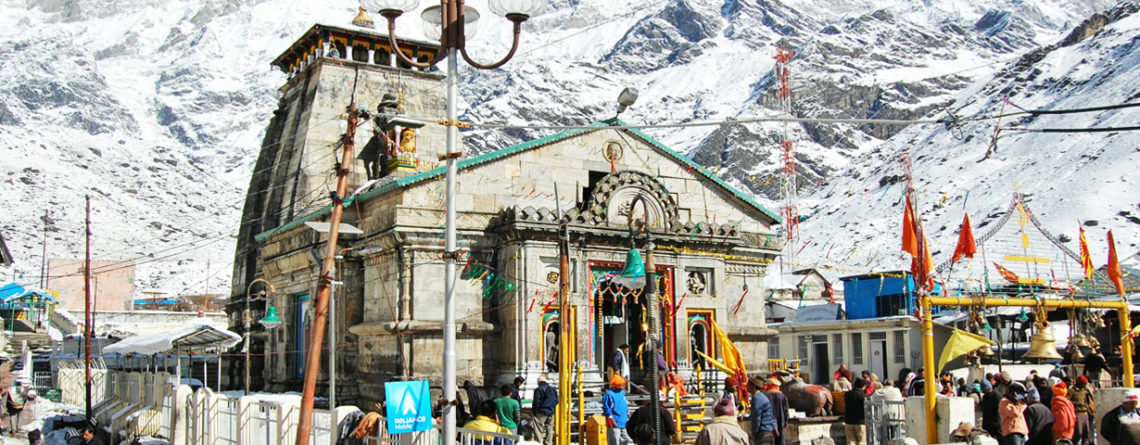
Nestled in the majestic Garhwal Himalayas of Uttarakhand, India, the Kedarnath Temple stands as a revered Hindu pilgrimage site. Dedicated to Lord Shiva, this temple is one of the twelve Jyotirlingas, representing the most sacred shrines of the deity. At an altitude of 3,583 meters (11,755 feet) above sea level, the temple offers an awe-inspiring view, surrounded by snow-capped peaks and the Mandakini River. Kedarnath holds a unique place in Hindu religious history and is a major destination for pilgrims in the Chota Char Dham yatra, drawing devotees from all over the world.
Location and Accessibility
Kedarnath is located at a remote site in the Uttarakhand state, and unlike many other temples, it is not directly accessible by road. The temple can be reached by a 17-kilometer uphill trek from Gaurikund, the nearest road-head. This uphill journey offers a spiritual experience, as pilgrims walk through picturesque landscapes and dense forests, braving challenging conditions to reach the temple. For those who are unable to walk the entire distance, ponies, mules, and manchan (palanquin) services are available.
The temple remains open to the public only between April and November. During the winter months, the temple is closed due to the harsh weather conditions. The deity is moved to Ukhimath, where it is worshipped for six months. The shrine is closed on Kartik Purnima, the autumn full moon, and reopens during Akshaya Tritiya in April. Despite the temple’s inaccessibility in winter, the pilgrimage remains an essential part of many devotees’ lives.
History and Legends of Origin
The origins of the Kedarnath Temple are steeped in mystery and legend. According to Hindu mythology, the temple is associated with the great epic Mahabharata and the Pandavas, the five brothers who fought in the Kurukshetra war. The Pandavas, having emerged victorious in the war, sought to atone for the sins committed during the battle. They sought the blessings of Lord Shiva and journeyed to Kedarnath to seek redemption. However, Shiva, desiring to avoid them, assumed the form of a bull (Nandi) and tried to flee. Bhima, the second Pandava, recognized the bull and caught it by the tail. Shiva then disappeared into the earth, leaving behind parts of his body in different locations. These five places – Kedarnath, Tungnath, Rudranath, Madhyamaheshwar, and Kalpeshwar – are collectively known as the Panch Kedar pilgrimage sites. The Pandavas, pleased with this divine manifestation, built temples at these sites to honor Shiva.
Kedarnath is not only important for its connection to the Pandavas but also for its association with the revered philosopher Adi Shankara. Shankara is believed to have revived the temple in the 8th century, and it is said that he attained Mahasamadhi (a state of spiritual liberation) at Kedarnath. The ruins of a monument marking his purported death place are located near the temple.
Temple Architecture and Design
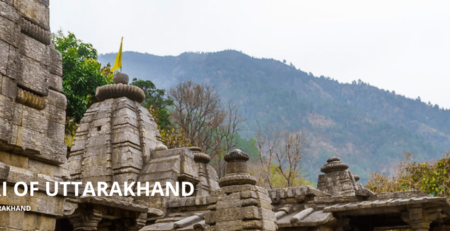
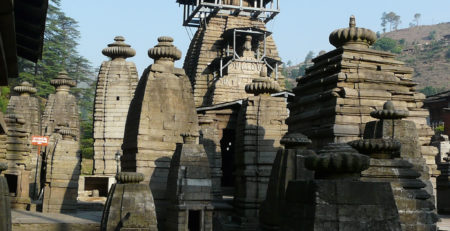
The Kedarnath Temple is an exemplary model of North-Indian Himalayan temple architecture. It is constructed from large, heavy stone slabs, giving it a robust and timeless appearance. The temple is built in a rectangular shape with a small pillared hall in front that houses idols of Parvati, the Pandavas, and Nandi, Shiva’s divine bull. The main sanctum houses the revered Shiva Lingam, which is more triangular in shape than the usual cylindrical form seen in many other temples. This Lingam is 3.6 meters in circumference and 3.6 meters in height, making it one of the largest in India.
The structure of the temple is simple yet powerful, with minimal decoration. The temple’s location amidst the towering mountains and the serene Mandakini River adds to its spiritual ambiance. An unusual feature of the temple is the presence of a carved human head in the triangular stone Lingam, a detail that links it to the broader mythological context of Shiva and Parvati’s union.
Behind the temple stands the Samadhi Mandir of Adi Shankara, where the saint is believed to have attained liberation. This further connects the Kedarnath Temple to the philosophical and spiritual heritage of India.
Kedarnath in Scriptures and Texts
Kedarnath holds an important place in several Hindu scriptures, with references found in the Skanda Purana, one of the eighteen Mahāpurāṇas. This text describes the origin of the Ganges river and mentions Kedarnath as the site where Shiva released the holy river from his matted locks. The Kashi Kedara Mahatmya is another text that associates Kedarnath with the liberation of souls and speaks of its significance as the “crop of liberation.”
The temple is also one of the 275 Paadal Petra Sthalams, a series of temples mentioned in the Tamil Shaiva devotional text Tevaram written by the Nayanar saints during the 6th and 7th centuries. These texts highlight the deep-rooted religious importance of Kedarnath, further cementing its place as one of the holiest temples dedicated to Lord Shiva.
2013 Flash Floods and Resilience
In June 2013, the Kedarnath region was severely affected by flash floods caused by heavy rains. The town of Kedarnath, along with its surroundings, suffered significant damage, and the Mandakini River overflowed, submerging parts of the temple complex. However, miraculously, the temple itself stood resilient. A large rock formation near the temple acted as a natural barrier, preventing the floodwaters from damaging the structure. The temple did sustain minor cracks in one of its walls, but the primary deity remained unharmed. The aftermath of the floods led to large-scale rebuilding efforts and restoration of the temple and its surroundings.
Pilgrimage and Rituals
The Kedarnath Temple is a key component of the Chota Char Dham yatra, which includes Yamunotri, Gangotri, Kedarnath, and Badrinath. The pilgrimage is considered sacred, with each site symbolizing a different aspect of Hindu spirituality. Kedarnath, as part of the Panch Kedar, represents the first place of worship in this sacred circuit. Pilgrims often begin their journey at Kedarnath, then proceed to the other temples.
The head priest of Kedarnath is known as the Raval, and unlike other temples, the Raval does not perform the rituals personally. Instead, his assistants carry out the daily rituals on his behalf. The Raval and the temple’s priests follow a tradition of rotating responsibilities, ensuring that each individual gets a chance to serve the temple for a year. The rituals are conducted with great devotion, offering prayers to the deities and performing elaborate ceremonies to honor Lord Shiva.
Spiritual Significance
Kedarnath is not just a physical journey but a spiritual one, where devotees undergo a profound inner transformation. The arduous trek to the temple, combined with the serene surroundings, invites pilgrims to reflect on their life and seek divine blessings. The temple is seen as a gateway to salvation, offering devotees a path to redemption and spiritual growth.
The Kedarnath Temple is more than just a religious site; it is a testament to India’s rich spiritual and cultural heritage. The temple’s association with the Mahabharata, its connection to Adi Shankara, and its status as a Jyotirlinga and a part of the Panch Kedar pilgrimage make it one of the most revered temples in Hinduism. Despite facing natural calamities, the Kedarnath Temple stands as a symbol of resilience, faith, and divine grace, drawing pilgrims who seek not only the blessings of Lord Shiva but also a deeper understanding of their own spiritual journey.
Here are some common questions about the temple:
Where is Kedarnath Temple located?
Kedarnath Temple is located in the state of Uttarakhand, India, at an altitude of 3,583 meters (11,755 feet) in the Garhwal Himalayas. It is accessible by a 17-kilometer trek from Gaurikund.
How do I reach Kedarnath Temple?
The temple is not directly accessible by road. Pilgrims can reach Gaurikund by road and then embark on a 17-kilometer trek to the temple. Ponies, mules, and palkis (palanquins) are available for those unable to walk the entire distance.
When is the best time to visit Kedarnath?
The temple is open from April to November, with the peak pilgrimage season occurring between May and October. The temple remains closed during the winter months due to heavy snowfall and harsh weather conditions.
What is the significance of Kedarnath Temple?
Kedarnath Temple is dedicated to Lord Shiva and is one of the twelve Jyotirlingas, making it one of the holiest sites for Hindus. It is part of the Chota Char Dham pilgrimage circuit and the Panch Kedar pilgrimage, which is associated with the Pandavas from the Mahabharata.
What is the history of the Kedarnath Temple?
The temple is believed to have been originally built by the Pandavas, who sought Lord Shiva’s blessings to atone for the sins committed during the Kurukshetra war. It was later revived by Adi Shankara in the 8th century.
Is there any legend associated with Kedarnath?
According to legend, Lord Shiva, in the form of a bull, fled from the Pandavas who were seeking his blessings. Shiva disappeared into the earth, leaving behind parts of his body in five locations, one of which is Kedarnath.
What are the temple timings and rituals?
The temple opens for darshan (viewing of the deity) at 4:30 AM and closes at 9:30 PM. Daily rituals include the worship of the Shiva Lingam, with special prayers and offerings made during festivals like Maha Shivaratri.
Can I visit Kedarnath Temple in the winter?
No, the temple is closed from November to April due to extreme weather conditions in the region. During these months, the deity is shifted to Ukhimath, where it is worshipped.
What is the weather like at Kedarnath?
The weather at Kedarnath is cold throughout the year, with heavy snowfall in winter and moderate temperatures during the summer. Visitors are advised to carry warm clothing, especially if visiting outside the peak summer months.
Is there any accommodation available near Kedarnath?
Yes, there are several guesthouses, camps, and hotels in Gaurikund, and basic accommodation options are available near the temple. However, due to the remote location, the facilities are modest.
Is the trek to Kedarnath difficult?
The trek to Kedarnath is considered challenging due to the steep incline and high altitude. It typically takes around 6-8 hours to reach the temple from Gaurikund. However, the beautiful scenic views along the way provide spiritual motivation for pilgrims.
What is the unique feature of the Kedarnath Shiva Lingam?
The Shiva Lingam at Kedarnath is not cylindrical like other Shiva Lingams but is triangular in shape, with dimensions of 3.6 meters in circumference and height. This shape adds to the temple’s distinctiveness.
What happened during the 2013 flash floods in Kedarnath?
In June 2013, Kedarnath was devastated by flash floods, which caused widespread damage to the area. However, the temple remained unharmed due to a large rock formation that acted as a natural barrier. Restoration and rebuilding efforts have since been carried out.
What are the other important temples near Kedarnath?
The other four temples that are part of the Panch Kedar pilgrimage are Tungnath, Rudranath, Madhyamaheshwar, and Kalpeshwar. These temples are also significant sites for Shiva worship.
Can I perform special rituals or prayers at the temple?
Yes, visitors can perform various rituals and prayers at the temple. You can also book for special poojas and aarti through the temple administration for a more personalized experience.
Are there any travel restrictions to Kedarnath Temple?
Due to its remote location and high-altitude terrain, travelers with certain health conditions (like heart problems or respiratory issues) should exercise caution. It is advisable to consult a doctor before planning the trip.
Are there any age restrictions for the Kedarnath trek?
While there are no official age restrictions, the trek is physically demanding, and older individuals or those with health concerns should assess their fitness before undertaking the journey. Children and elderly pilgrims can opt for alternative transport options like ponies.
What is the best way to book a Kedarnath trip?
It is advisable to book your Kedarnath trip through official pilgrimage tour operators or through the Uttarakhand Tourism Development Board (UTDB). They offer packages that include transportation, accommodation, and guided treks.
Can I carry my mobile phone or camera to the temple?
Photography is restricted inside the temple complex, and mobile phones are generally not allowed in the inner sanctum. However, you can take photos of the surroundings and the temple exterior.
Is there any shopping available near Kedarnath?
There are small shops and stalls near the temple selling religious items, woolen clothes, souvenirs, and artifacts related to Lord Shiva and the Kedarnath pilgrimage.