Limbu, Limb, Limba, or Pahadi Nimbu
The Himalayan Lemon
Limbu, also known as Limba, Pahadi Nimbu, or Himalayan Lemon, is a unique variety of lemon found in the higher altitudes of the Himalayan regions, particularly in Uttarakhand and parts of Himachal Pradesh. Known for its large size and distinct tangy flavor, this lemon stands out in comparison to regular lemons due to its robust citrus taste and larger fruit size. Revered not only for its flavor but also for its many uses, Pahadi Nimbu plays a vital role in the culinary and medicinal traditions of the region.
Scientific Name of Limbu (Limba)
The scientific name of Limbu is Citrus limon, and it belongs to the Rutaceae family. While the Himalayan variety of Limbu is specific to the region, it is essentially a subspecies of the common lemon, adapted to the unique growing conditions of the high-altitude terrains of the Himalayas.
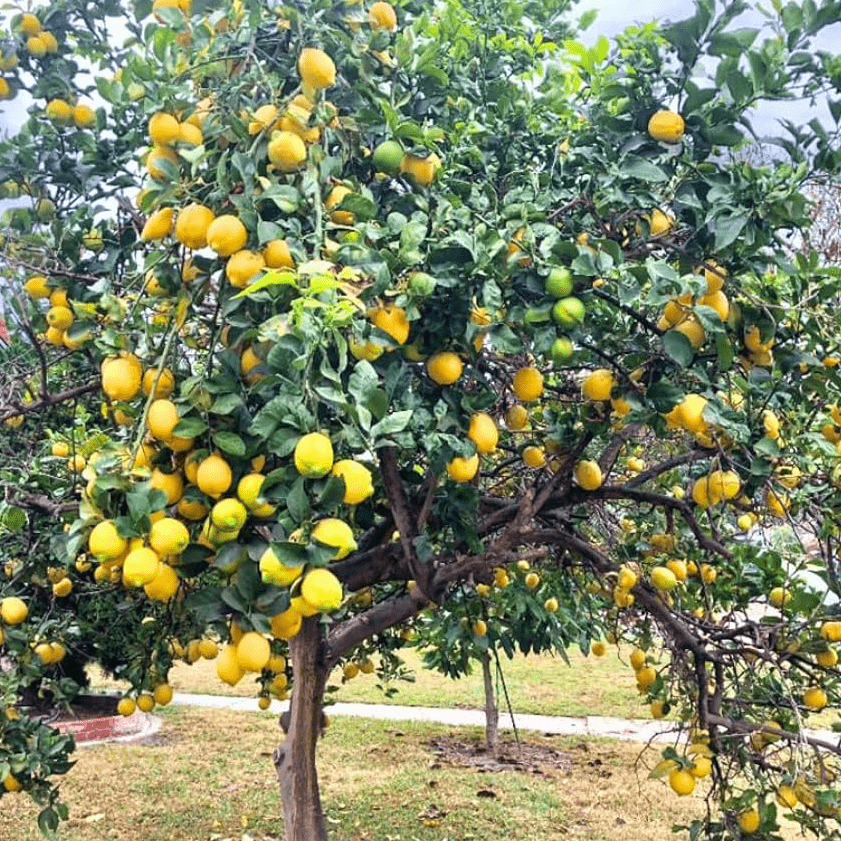
Distinct Characteristics of Limbu (Limba)
Limbu is easily identifiable by its size and aroma. These lemons grow between 3 to 7 inches in length and can weigh anywhere between 100 grams to 500 grams, making them much larger than typical varieties found in lowland areas. They have a thick rind, and their juice is intensely tangy. The unique growing conditions in the Himalayan terrain, where they are cultivated at high altitudes, contribute to the special flavor of these lemons. The intense sun and cool temperatures of the region allow these fruits to develop a taste that is a blend of onion and chives, which is quite distinct from other lemon varieties.
Culinary Uses of Limbu (Pahadi Nimbu)
In the kitchens of Uttarakhand, Limba or Pahadi Nimbu plays a prominent role in various traditional dishes. It is commonly used as a flavoring agent in curries, soups, pickles, and chutneys. Its juice, rind, and zest all find their way into the region’s cooking, enhancing the taste of both vegetarian and meat-based dishes.
One of the most popular uses of Limbu is in the preparation of pickles, a staple in Uttarakhandi cuisine. The lemon is either used fresh or dried and mixed with spices like turmeric, chili, and salt to create a tangy and spicy pickle that is consumed throughout the year. The dried form is often used to make spice mixes and can be stored for longer periods.
The fruit’s aromatic zest is also used to enhance the flavors of local sweets and desserts, adding a refreshing citrus note. Additionally, Pahadi Nimbu is used in lemonade and as a garnish in many dishes to provide a burst of flavor.
Health Benefits of Limbu (Limba)
In addition to its culinary uses, Limbu or Limba is highly regarded for its medicinal properties. Rich in Vitamin C, it serves as a natural remedy for immunity boosting and digestive health. The juice of the Pahadi Nimbu is often used to relieve indigestion, gastritis, and bloating. It is also known to help in detoxifying the body and improving skin health.
The benefits of Limbu extend beyond digestion, as it is commonly used in traditional treatments for colds, fevers, and sore throats. In some parts of the Himalayan region, the juice is also applied to the skin to treat sunburns and to improve skin complexion. Additionally, it is believed to be beneficial for hair growth and treating dandruff.
Cultural Significance of Limbu (Limba)
In Uttarakhand, Limbu is more than just a fruit. It is woven into the fabric of the cultural and spiritual practices of the people. The lemon is often offered as part of rituals and festivals, and its sourness is symbolically linked to the bittersweet nature of life. The Himalayan lemon is not only valued for its use in cooking but is also a cultural symbol of the region’s agricultural heritage.
Women farmers play a significant role in the cultivation of Pahadi Nimbu, tending to the lemon orchards in the mountainous terraces. The traditional methods of harvesting, drying, and preserving the lemons have been passed down through generations, maintaining a deep connection to the land and its agricultural practices.
Limbu, Limba, or Pahadi Nimbu is much more than a citrus fruit; it is an integral part of the Himalayan heritage and culture. From its distinctive size and strong flavor to its multiple culinary and medicinal uses, it stands as a symbol of the rich natural resources of the Himalayan region. Whether used in pickles, curries, or natural remedies, Limbu continues to be an essential part of the daily life and traditions of the people of Uttarakhand. This Himalayan lemon, with its unique flavor and numerous health benefits, has earned its place as a beloved ingredient and cultural treasure.