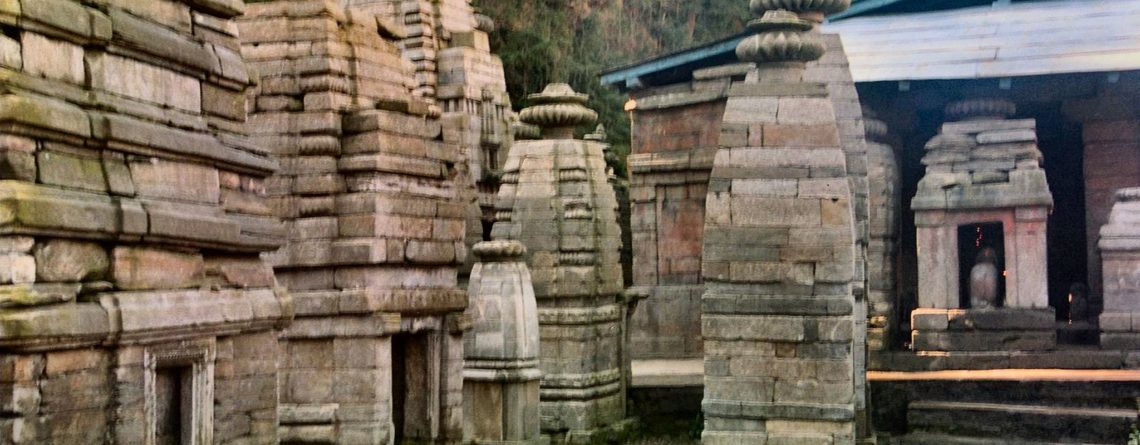
Katarmal Sun Temple Uttarakhand
An Unparalleled Heritage of Architecture and Sculpture in Uttarakhand
Katarmal Sun Temple is far more than a monument of stone and wood. it is a living memory of Uttarakhand’s civilisational heritage. Its sacred traditions, exquisite craftsmanship and timeless connection with the Sun and the Himalayan landscape remind us that our heritage is not simply something we inherit from the past – it is a legacy we are entrusted to preserve for generations to come. – Dr. Nidhi Sajwan, Expert in Uttarakhand Culture and History.
Hinduism is distinguished by its reverence for nature in all its forms. Water, fire, air, food, earth, and the Sun are all regarded as sacred manifestations of the divine. Across India, numerous temples have been dedicated to the Sun God, including the renowned Konark Sun Temple in Odisha and other important Sun temples in Madhya Pradesh, Gujarat, Kashmir, Bihar, Assam, Tamil Nadu, Rajasthan, and Uttarakhand. Among these, the Katarmal Sun Temple holds a special place in the cultural and architectural heritage of Uttarakhand.
The Sun God is traditionally depicted in a red-hued form, riding a chariot drawn by seven horses. He is revered as the universal source of light, inspiration, and well-being, and is often described as the “Soul of the Universe.” Life on Earth is sustained by the Sun, and among the nine celestial bodies traditionally worshipped in Hinduism, the Sun occupies a position of particular importance. Unlike most deities, the Sun offers visible darshan every day, and the continuous cycle of life among humans, animals, and plants is intrinsically linked to his presence.
For this reason, Hindu scriptures place great significance on the worship of Surya. Offering water to the rising Sun and praying at dawn is considered an important spiritual practice. The Sun is also regarded as a symbol of perseverance, inspiring humanity to continue moving forward without giving in to fatigue or adversity.
While the Konark Sun Temple is internationally celebrated, Uttarakhand’s sacred landscape is home to another remarkable shrine dedicated to Surya the Katarmal Sun Temple. Located near Adheli Sunar village, approximately 16–17 kilometres from Almora, the temple stands at an elevation of around 2,116 metres above sea level. It is also believed, according to the traditions and historical accounts associated with the temple, to be approximately 200 years older than the Konark Sun Temple.
A Temple Rooted in the Katyuri Era
The Katarmal Sun Temple is generally believed to have been constructed sometime between the 9th and 11th centuries, during the period when the Katyuri dynasty held sway over the region. Its construction is traditionally attributed to King Katarmal, after whom the temple derives its name.
According to a popular local belief, the temple was constructed in a single night during the Katyuri period. The main shrine’s tower remains incomplete, and one traditional explanation suggests that construction had to be abandoned when dawn approached during the final stage of its completion. As a result, the unfinished portion can still be seen today. Another account attributes the damaged upper structure to the effects of time and the absence of adequate maintenance in later periods.
A Remarkable Temple Complex
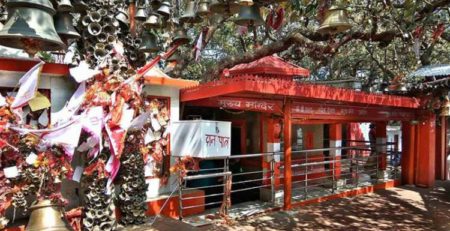
The Katarmal Sun Temple is not a solitary shrine but part of a remarkable complex comprising approximately 45 temples. These smaller shrines were constructed at different periods and are dedicated to a variety of Hindu deities.
The complex includes shrines associated with Lord Vishnu, Lord Shiva, Goddess Parvati, Lord Ganesha, Lakshmi-Narayana, Narasimha, Kartikeya, and other deities. The exact age of the complex remains a subject of historical discussion. While some historians place its construction in the 9th century and others in the 10th century, archaeologist Dr. Dimri has suggested that the main temple may date to the 11th century. The design of its wooden dome has also led to the possibility of an earlier, 8th- or 9th-century origin.
A Masterpiece of Himalayan Architecture
The temple is an outstanding example of traditional Himalayan architecture and craftsmanship. Its massive stone walls are adorned with intricate carvings, reflecting a high degree of artistic skill. The architectural character of Katarmal bears similarities to the Baijnath Temple complex near Kausani and the Jageshwar Temple complex, both of which are associated with the Katyuri architectural tradition.
One of the most striking features is the wooden entrance to the sanctum. The detailed carvings on the doorway demonstrate the exceptional quality of traditional wood craftsmanship. Inscriptions associated with the temple have also contributed to the belief that the shrine may predate the Konark Sun Temple by approximately two centuries. Its architecture and sculptural artistry remain powerful expressions of the region’s historical and cultural legacy.
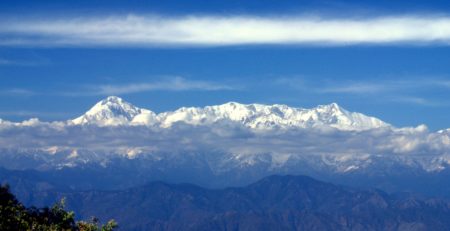
Among the ancient and modern temples of Kumaon, Katarmal is regarded as one of the most elevated and imposing. Surrounded by the spectacular valleys and forests of the Himalayan landscape, the temple has an immediate visual and spiritual impact on visitors.
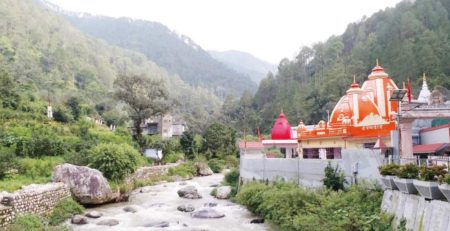
Reaching the temple itself is part of the experience. Visitors pass through terraced fields and walk among tall, green deodar trees before ascending along a mountain road and footpath towards the shrine. As the temple comes into view, its scale and grandeur become increasingly apparent. The monumental stonework, intricate carvings, and beautifully carved wooden doors create an atmosphere in which the fatigue of the journey quickly disappears.
The Nagara Style and the Sacred Image of Surya
The Katarmal Sun Temple faces east and stands upon a high, square platform. The main shrine follows a triratha plan, while the sanctum is square in shape. Its curvilinear tower reflects the defining characteristics of the Nagara style of temple architecture.
Within the sanctum, the Sun God is depicted in a meditative posture. Although the principal tower is now damaged, the beautifully carved structural beams supporting the temple remain visible and offer valuable evidence of the craftsmanship employed in its construction.
Perhaps the most unusual feature of the shrine is its image of the Sun God. Unlike conventional idols made of stone or metal, the image at Katarmal is traditionally described as being carved from the wood of a fig tree. This distinctive feature adds to the temple’s uniqueness and has led to the shrine also being associated with the name “Badaditya Sun Temple.” Local tradition further holds that the deities themselves once worshipped the Sun God at this sacred site.
The Legend of the Sun God
Like many ancient Himalayan temples, Katarmal is surrounded by legends that connect its sacred geography with divine intervention.
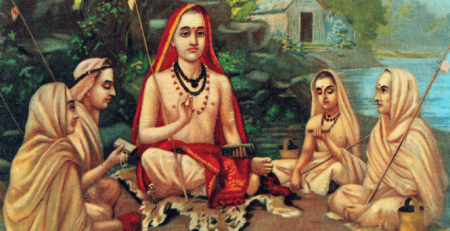
According to local tradition, sages and ascetics once lived in deep meditation in the peaceful Himalayan ranges of Uttarakhand. Their penance, however, was repeatedly disturbed by demons who subjected them to persecution.
Troubled by these disturbances, sages associated with the regions around Dunagiri, Kashaya, and Kanjar mountains are said to have travelled to the banks of the Kosi River, where they undertook severe penance and worshipped the Sun God.
Pleased by their devotion, Surya appeared before them and freed them from the fear and oppression of the demons. He is also believed to have established his divine radiance upon a vat stone at the site. Over time, the sacred place became associated with an image of the Sun God carved from vat wood. Later, according to the tradition, King Katarmal constructed a magnificent temple dedicated to Surya at this very location, giving rise to the Katarmal Sun Temple.
A Protected Monument
Today, Katarmal is recognised as an important protected monument. A 12th century image of the Sun God, depicted seated in the lotus posture, along with intricately carved doors and panels associated with the temple, is preserved at the National Museum in New Delhi. The temple itself has been declared a protected monument, and its conservation and security are under the responsibility of the Archaeological Department, while local communities continue their traditional religious practices at the site.
Over the centuries, however, the temple has suffered damage. The absence of regular maintenance and appropriate repairs has contributed to the collapse of portions of the upper structure of the main shrine.
Historical accounts also record a violent episode in the region’s past. According to historian Atkinson, during the reign of Kumaon’s King Kalyan Chand, the Rohilla chief Hafiz Rahmat Khan attacked Almora in 1743 CE and established control over the city for seven months. During this period, Rohilla forces reportedly damaged temples in and around Almora, including those in Dwarahat, Lakhanpur, and Bhimtal. Historical documents were destroyed and considerable violence was carried out. The Katarmal Sun Temple was also affected during this period. The damaged sculptures are now preserved separately within the temple complex.
A Celestial Phenomenon
One of the temple’s most fascinating features is associated with Uttarayan. During January and February, the rays of the rising Sun enter the main temple and fall upon the image of Surya, creating an appearance described as resembling a rainbow.
This remarkable interaction between architecture, sunlight, and the sacred image reflects the sophistication of the temple’s design while also highlighting the deep relationship between nature and spirituality in Indian culture. At the same time, the temple stands as a reminder of the rich and glorious history of the rulers of Uttarakhand.
A Living Heritage of Uttarakhand
The Katarmal Sun Temple is far more than an ancient architectural monument. It represents a remarkable convergence of faith, history, architecture, sculpture, folklore, and the natural beauty of the Himalayas.
Throughout the year, local devotees and visitors from distant places travel to Katarmal to seek the blessings of Lord Surya. For generations, the temple has remained a place of devotion and spiritual significance, with a continuing belief that sincere prayers and wishes made with faith are answered by the Sun God.
Set against the magnificent Himalayan landscape, Katarmal Sun Temple remains a powerful symbol of Uttarakhand’s cultural heritage. Its ancient stone carvings, distinctive wooden craftsmanship, sacred traditions, and extraordinary setting make it one of the region’s most remarkable monuments and a compelling reminder of the architectural and artistic achievements of India’s past.
Where is the Katarmal Sun Temple located?
The Katarmal Sun Temple is located near Adheli Sunar village, around 16–17 kilometres from Almora in Uttarakhand. Situated at an elevation of approximately 2,116 metres above sea level, the temple is surrounded by the scenic Himalayan landscape of Kumaon.
What is the Katarmal Sun Temple famous for?
The Katarmal Sun Temple is renowned for its ancient history, remarkable architecture, intricate stone carvings, traditional woodwork, and association with the Katyuri dynasty. One of its most distinctive features is the traditional image of the Sun God, described as being made from fig-tree wood rather than stone or metal.
Who built the Katarmal Sun Temple?
The temple is traditionally attributed to King Katarmal of the Katyuri dynasty, which ruled the region during the period associated with the temple’s construction. The temple derives its name from King Katarmal.
When was the Katarmal Sun Temple built?
The exact date of construction remains uncertain. Historical opinions place the temple broadly between the 9th and 11th centuries. Some historians suggest the 9th century, others the 10th century, while archaeologist Dr. Dimri has suggested an 11th century date. Features of the wooden dome have also led to the possibility of an earlier origin.
Is Katarmal Sun Temple older than the Konark Sun Temple?
According to the traditions and historical accounts presented in the article, the Katarmal Sun Temple is believed to be around 200 years older than the Konark Sun Temple in Odisha.
How many temples are there in the Katarmal Sun Temple complex?
The Katarmal complex consists of approximately 45 temples, constructed during different periods and dedicated to various Hindu deities. These include shrines associated with Lord Vishnu, Lord Shiva, Goddess Parvati, Lord Ganesha, Lakshmi-Narayana, Narasimha, Kartikeya, and others.
What architectural style does the Katarmal Sun Temple represent?
The temple represents the Nagara style of Hindu temple architecture. Its square sanctum and curvilinear tower are characteristic features of this architectural tradition. The temple also showcases detailed stone carvings and finely crafted wooden elements.
What makes the architecture of Katarmal Sun Temple special?
The temple is built on a high, square platform and faces east. Its main shrine has a triratha structure, while the sanctum is square in plan. The stone walls, structural beams, and wooden entrance are decorated with intricate craftsmanship, reflecting the artistic traditions associated with the region.
What is unique about the Sun God idol at Katarmal?
One of the temple’s most distinctive features is the material traditionally associated with its Sun God image. Unlike conventional stone or metal idols, the article describes the image as being carved from fig-tree wood. This unusual feature adds to the temple’s religious and artistic significance.
What is another name for the Katarmal Sun Temple?
The temple is also associated with the name “Badaditya Sun Temple.” According to the article, this name is connected with the distinctive wooden image of the Sun God and local religious traditions surrounding the shrine.
What is the religious significance of Katarmal Sun Temple?
The temple is dedicated to Lord Surya, the Hindu Sun God. In Hindu religious tradition, Surya is associated with light, life, energy, inspiration, and well-being. The worship of the rising Sun is also given special importance in Hindu religious practices.
What is the legend associated with Katarmal Sun Temple?
According to local tradition, sages and ascetics living in the Himalayan region were repeatedly disturbed by demons. Sages associated with the Dunagiri, Kashaya, and Kanjar mountain regions are said to have travelled to the banks of the Kosi River and performed intense penance to seek the protection of Lord Surya.
Pleased with their devotion, the Sun God appeared before them and freed them from the oppression of the demons. According to the legend, the sacred site later became associated with a wooden image of the Sun God, and King Katarmal eventually built the temple at this location.
Does the Katarmal Sun Temple face east?
Yes. The main temple faces east, an orientation that has particular significance for a shrine dedicated to the Sun God and connected with the rising Sun.
What happens at Katarmal Sun Temple during Uttarayan?
During Uttarayan, around January and February, the rays of the rising Sun enter the main temple and fall upon the image of the Sun God. The article describes the resulting visual effect as resembling a rainbow, highlighting the relationship between the temple’s design, sunlight, and spiritual traditions.
Is Katarmal Sun Temple a protected monument?
Yes. The Katarmal Sun Temple has been declared a protected monument. According to the article, the Archaeological Department is responsible for its preservation and security, while local communities continue their traditional worship and rituals at the temple.
Where are the historic sculptures from Katarmal Temple preserved?
The article states that a 12th-century image of the Sun God, along with carved doors and panels associated with the temple, is preserved at the National Museum in New Delhi.
Has the Katarmal Sun Temple been damaged over time?
Yes. Parts of the temple have been damaged over the centuries. The article attributes some deterioration to the lack of regular maintenance and appropriate repairs. It also records damage associated with the 1743 CE Rohilla attack on Almora, during which several temples in the surrounding region were reportedly affected.
Why is Katarmal Sun Temple important to Uttarakhand’s heritage?
The temple represents a remarkable blend of history, spirituality, architecture, sculpture, traditional woodcraft, folklore, and Himalayan landscape. Its connection with the Katyuri period and its distinctive architectural features make it an important part of the cultural heritage of the Kumaon region.
Is Katarmal Sun Temple a tourist attraction near Almora?
Yes. The temple’s historic importance, distinctive architecture, spiritual significance, and spectacular Himalayan surroundings make it an important heritage destination near Almora. The journey through terraced fields, deodar forests, mountain paths, and valleys adds to the experience of visiting the temple.
Why should visitors explore Katarmal Sun Temple?
A visit to the Katarmal Sun Temple near Almora offers an opportunity to experience an important part of Uttarakhand’s cultural heritage. Visitors can admire ancient stone carvings and wooden craftsmanship, explore the historic temple complex, learn about the Katyuri architectural tradition, and experience the spiritual significance of Surya worship amid the Himalayan landscape.
The Katarmal Sun Temple stands as a timeless testament to Uttarakhand’s rich cultural, spiritual, and architectural heritage. Nestled amidst the Himalayan landscape, this ancient temple brings together history, faith, sculpture, traditional craftsmanship, and the profound relationship between nature and spirituality. Its intricate stone carvings, exquisite wooden work, and association with the Katyuri era reflect the extraordinary artistic traditions of the region.
What makes Katarmal truly remarkable is its enduring connection with the Sun. From its east-facing orientation to the striking phenomenon of sunlight falling upon the image of Surya during Uttarayan, the temple reflects a fascinating harmony between architecture, devotion, and the natural world.
Katarmal Sun Temple is a silent storyteller of Uttarakhand’s glorious past. Every stone, every carving and every wooden detail carries the memory of a civilisation that understood the sacred bond between nature, spirituality and human creativity. – Dr. Nidhi Sajwan, Expert in Uttarakhand Culture and History
Preserving Katarmal is therefore not simply about protecting an ancient temple – it is about protecting the stories, artistry, faith, and cultural memory of Uttarakhand. In the quiet grandeur of the Himalayas, Katarmal continues to remind us that heritage is not only what we inherit from the past, but also what we choose to protect for the future.