Haldwani
“Haldwani, the heart of Kumaon, stands as a vibrant blend of history, commerce, and culture, welcoming travelers as the Gateway to the breathtaking Kumaon hills.”
Haldwani is the largest city in the Kumaon region and the fourth most populous city in Uttarakhand, India. Often referred to as the “financial capital” of the state, Haldwani is a bustling center for commercial, economic, and industrial activities. Nestled in the picturesque Nainital District, it holds a prominent place as a hub of growth and development. With a population of around 656,000 as of 2021, Haldwani ranks as the third most populous urban agglomeration in the state, after Dehradun and Haridwar. Due to its strategic location at the foothills of the majestic Kumaon Himalayas, the Kathgodam neighborhood is known as the “Gateway to Kumaon.”
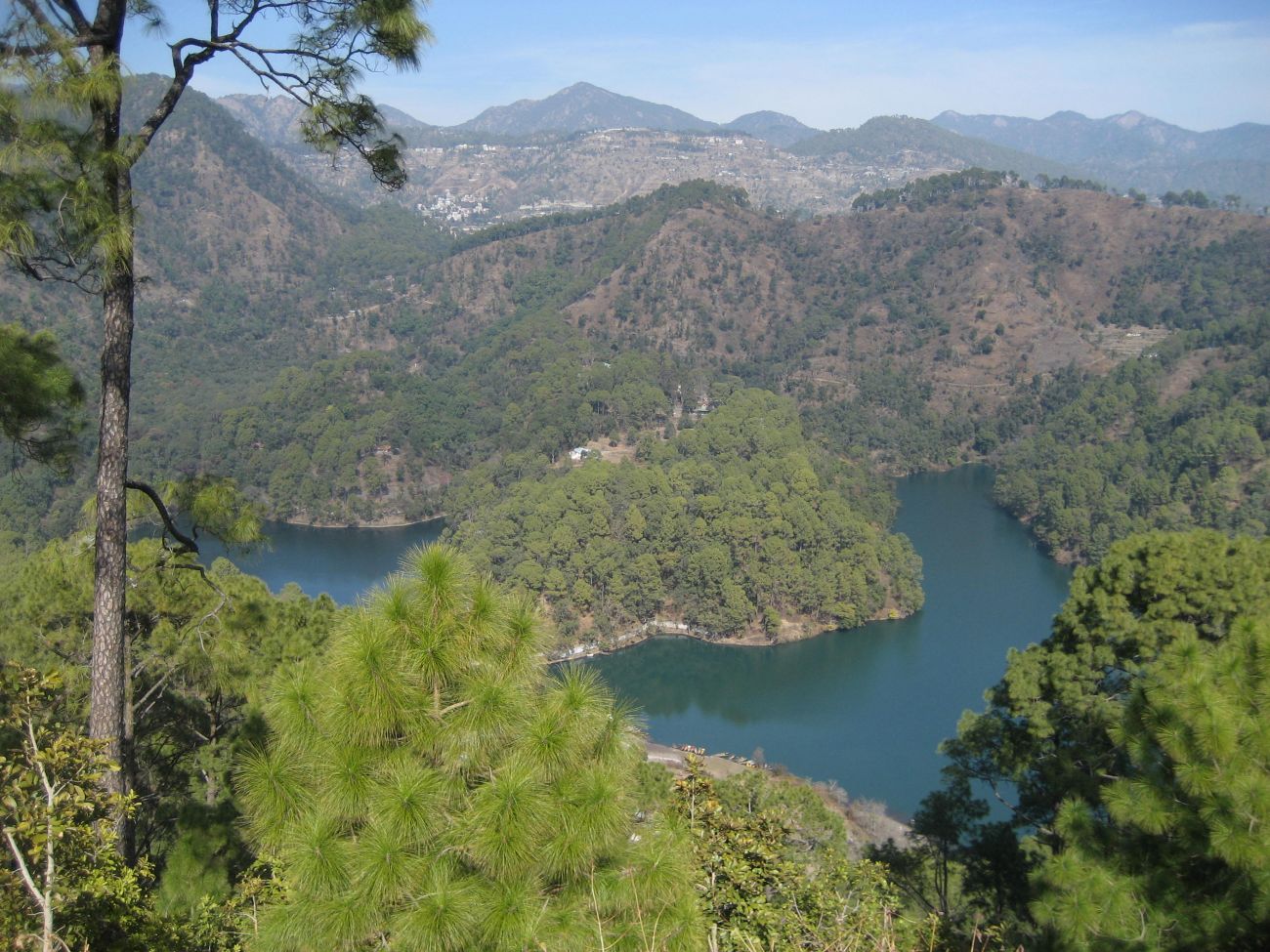
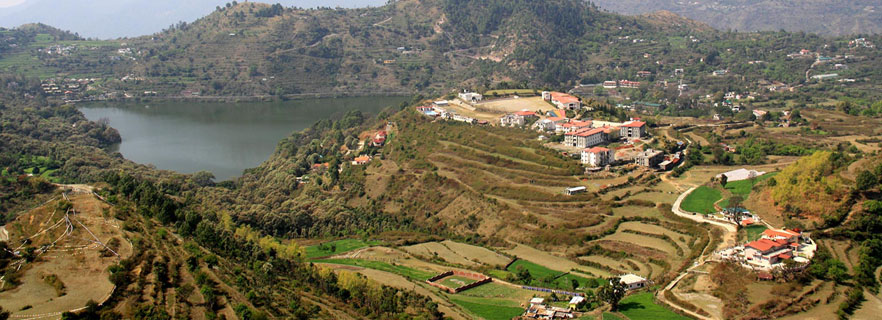
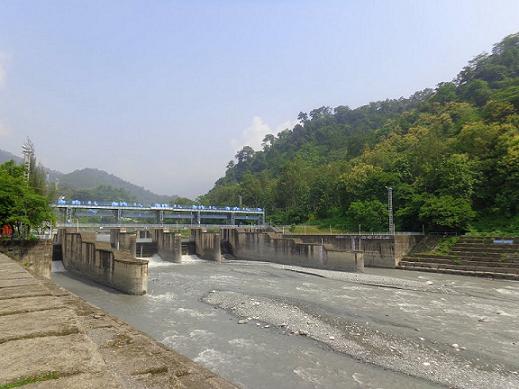
Geography and Scenic Beauty Haldwani is located in the Bhabhar region, in the Himalayan foothills, along the banks of the serene Gaula River. The area was historically covered with dense forests and served as a habitat for the native Buksa tribe in the early 1600s. Over time, Haldwani evolved into a vibrant town, benefitting from its proximity to both the lush hills and the bustling Indo-Gangetic Plains. The temperate climate of the region, with cool winters and mild summers, makes it an attractive destination for residents and tourists alike.
The Etymology of Haldwani The name “Haldwani” is derived from the Kumaoni term “Haldu-vani,” meaning “forest of Haldu.” The Haldu tree (Haldina cordifolia), locally known as Kadamb, was abundant in the area before extensive deforestation for agricultural expansion. The area was originally known as “Halduvani” until it was renamed “Haldwani” by George William Traill, the British Commissioner of Kumaon, in 1834.
A Glimpse into Haldwani’s History Haldwani has a rich historical backdrop, with its roots tracing back to the Kingdom of Kumaon. In the 14th century, King Gyan Chand of the Chand Dynasty expanded Kumaon’s influence, and by the early 1600s, Haldwani was a sparsely populated region inhabited by native tribes. The Terai area to the south of Haldwani, with its thick forests, was often used as a hunting ground by the Mughal rulers.
The town came into prominence in the early 19th century when the British defeated the Gorkhas and took control of Kumaon in 1816 through the Treaty of Sugauli. British administrators, led by George William Traill, established Haldwani as a trading post, serving as a market for the hill people during the cold season. This strategic positioning, coupled with the construction of the Bareilly–Nainital road in 1882 and the Bhojeepura–Kathgodam railway line in 1884, transformed Haldwani into a thriving commercial hub.
The Growth of Haldwani in the 19th Century In the mid-1800s, Haldwani began to grow rapidly. Initially, the town consisted of small thatched houses, but by 1850, brick houses began to replace them. In 1831, the first English middle school was established, marking the town’s rise in educational development. However, during the Indian Rebellion of 1857, Haldwani saw unrest, with rebels briefly seizing the town. The British swiftly regained control, and martial law was declared by Sir Henry Ramsay, the Commissioner of Kumaon.
The establishment of a road connection between Nainital and Kathgodam in 1882, followed by the completion of the railway line in 1884, was a turning point in Haldwani’s development. This infrastructure laid the foundation for the city’s growth into a major center of trade and transportation in the region.
Early 20th Century: A New Era By the early 20th century, Haldwani had become a prominent town within the United Provinces of Agra and Oudh. In 1901, Haldwani’s population was 6,624, and it served as the headquarters for the Bhabhar region of Nainital District. The construction of the Arya Samaj Bhavan in 1901 and the Sanatan Dharm Sabha in 1902 symbolized the growing influence of religious and social reform movements in the town. During this time, Haldwani also became a focal point for the Indian independence movement, with protests against the Rowlatt Act and the Coolie-Begar system.
The Struggle for Uttarakhand: Haldwani’s Role Haldwani played a crucial role in the Uttarakhand movement, which sought greater autonomy for the mountainous regions of the state. In 1940, the Haldwani conference became a platform for voices advocating for special status for Kumaon and Garhwal. Over the years, Haldwani became a focal point for protests, which at times turned violent. The city’s residents actively participated in the struggle for a separate Uttarakhand state, which was eventually realized in 2000.
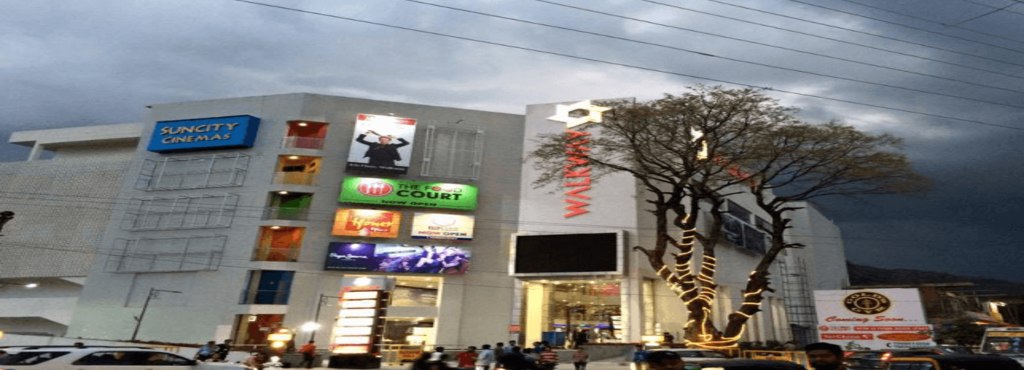
Modern Haldwani: A Growing City In recent years, Haldwani has undergone significant transformations, emerging as a major urban center. It has seen the establishment of new educational institutions, modern healthcare facilities, and improved infrastructure. The electrification of the city in 1950 and the raising of the 2nd battalion of the Naga Regiment in 1985 were significant milestones in the city’s growth.
Recent Discoveries: Uncovering the Past In 2017, during the construction of the Haldwani ISBT, a remarkable archaeological discovery was made in the Golapar area. Archaeologists uncovered forty human skeletons and over 300 grave-like structures. Initially, these were thought to be the remains of Rohilla chieftains who fought against the British in 1857. However, forensic tests later revealed the skeletons to be only two years old, adding another layer of intrigue to the region’s rich history.
Today, Haldwani stands as a vibrant and evolving city, balancing its rich historical heritage with modern advancements. Its strategic location, commercial significance, and growing infrastructure make it a key player in Uttarakhand’s future. From its establishment as a trading post in the 19th century to its role as the “Gateway to Kumaon,” Haldwani continues to shape the landscape of the region.
Frequently Asked Questions (FAQs) About Haldwani
What is Haldwani known for?
Haldwani is known as the “financial capital” of Uttarakhand due to its commercial and industrial activities. It is also famous as the “Gateway to Kumaon,” offering easy access to the Kumaon Himalayas. The city is a major hub for trade, tourism, and transportation.
What is the population of Haldwani?
As of 2021, the population of Haldwani is around 656,000, making it the third most populous urban agglomeration in Uttarakhand after Dehradun and Haridwar.
Where is Haldwani located?
Haldwani is located in the Nainital District of Uttarakhand, India. It lies at the foothills of the Kumaon Himalayas, along the banks of the Gaula River.
Why is Haldwani called the “Gateway to Kumaon”?
Haldwani is referred to as the “Gateway to Kumaon” because it serves as the main entry point for travelers heading into the Kumaon region. The Kathgodam neighborhood, located nearby, is the key transit hub for accessing Kumaon.
How did Haldwani get its name?
The name “Haldwani” is derived from the Kumaoni word “Haldu-vani,” meaning “forest of Haldu,” named after the Haldu trees (Haldina cordifolia) that once populated the area. The name was anglicized to “Haldwani” by George William Traill, the British Commissioner of Kumaon, in 1834.
What is the history of Haldwani?
Haldwani was established in 1834 as a market town for the hill people during the cold season. It became a major trading post due to its strategic location and improved transport links, such as the Bareilly–Nainital road and the Bhojeepura–Kathgodam railway line in the 19th century. Over time, it grew into an important urban center in the Kumaon region.
What are the key attractions in Haldwani?
Some key attractions in and around Haldwani include:
- Gaula River: A popular spot for nature lovers and photographers.
- Naina Devi Temple: Located in nearby Nainital, it is a major pilgrimage site.
- Corbett National Park: Located around 60 km away, it is one of the most famous national parks in India.
Is Haldwani a good place to live?
Haldwani offers a peaceful and scenic environment with a growing infrastructure, making it a good place to live for those who prefer a mix of urban amenities and natural beauty. It is an ideal base for exploring the Kumaon region while offering access to modern facilities.
What is the climate like in Haldwani?
Haldwani experiences a temperate climate, with cool winters and moderate summers. The region enjoys pleasant weather throughout the year, with temperatures ranging from 10°C in winter to 35°C in summer.
How can I reach Haldwani?
Haldwani is well-connected by road and rail. The nearest railway station is Kathgodam, which is around 5 km away from Haldwani. It is also easily accessible via road from Nainital (about 20 km), Dehradun, and other major cities in Uttarakhand and Uttar Pradesh.
What are the industries in Haldwani?
Haldwani is a commercial hub, and its industries include manufacturing, agriculture, and trade. The city has developed into a center for retail, real estate, and various small-scale industries.
What is the significance of Haldwani in the Uttarakhand movement?
Haldwani played a vital role in the Uttarakhand movement, which advocated for the formation of a separate state for the people of the Kumaon and Garhwal regions. The town was a hotspot for protests and movements that eventually led to the creation of Uttarakhand as a separate state in 2000.
What is the best time to visit Haldwani?
The best time to visit Haldwani is from October to March when the weather is cool and pleasant. Summer months (April to June) can be warm, while the monsoon season (July to September) might bring heavy rains, which could disrupt travel plans.
What are the educational institutions in Haldwani?
Haldwani has several prominent schools, colleges, and educational institutions, including government schools and private institutions. It is also home to universities and colleges that offer a range of courses in various fields.
Are there any significant archaeological discoveries in Haldwani?
In 2017, during the construction of the Haldwani ISBT, archaeologists discovered forty human skeletons and over 300 grave-like structures in the Golapar area. These findings sparked speculation about the remains of those who fought against the British during the 1857 rebellion, though forensic tests later revealed them to be only two years old.
What is the significance of Haldwani’s transportation system?
Haldwani is a major transportation hub in the region. It is well-connected by rail, with the Kathgodam Railway Station serving as a key point for travel to Kumaon. The city’s road network also links it to major cities in the region, facilitating the flow of goods and people.