Bhitoli Festival ( Bhitauli)
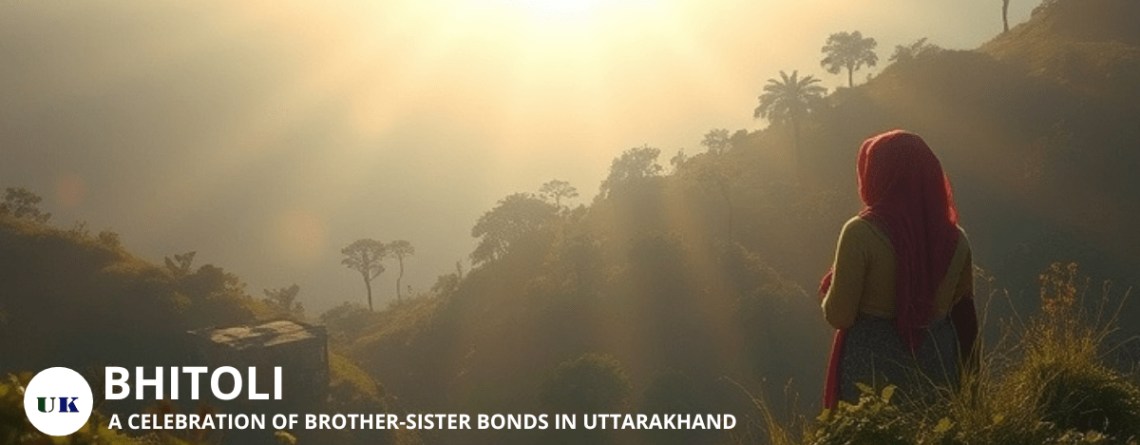
Bhitauli, also known as Bhitoli, celebrates the bond of siblings in Uttarakhand.
Bhitauli, also known as Bhitoli, is a cherished tradition in Uttarakhand, particularly in the Kumaon region, dedicated to married women. Celebrated during the month of Chaitra (March-April), this festival symbolizes familial love and the enduring bond between a woman and her natal family. The Bhitoli Festival, celebrated annually in the hilly regions of Uttarakhand during the month of Chaitra, symbolizes a rich cultural tradition. This festival highlights the unbreakable love and bonds between brothers and sisters. On this occasion, brothers visit their married sisters at their in-laws’ homes to present them with new clothes and gifts, while also enjoying traditional dishes prepared by their mothers.
The Bhitoli festival is not merely an occasion for gifting; it elevates the love and affection in the sibling relationship. The event strengthens the mutual trust and harmony between brothers and sisters, providing a new definition to their bond. All family members gather to celebrate this festival, turning it into a collective experience of joy.
Meaning of Bhitoli
The term “Bhitoli” literally means “gift” or “meeting.” This festival holds special significance for married women who may not have the opportunity to visit their parental homes for long periods. Brothers reinforce this bond by visiting their sisters and giving them gifts, creating a special occasion.
This tradition not only embodies familial reunions but also conveys a message of unity and cooperation within the community. When a brother visits his sister at her in-laws’ house, it transforms into a social celebration. Seeing the happiness on sisters’ faces and their smiles becomes a crucial aspect that reflects the depth of this relationship.
Traditional Dishes
A significant aspect of the Bhitoli Festival is the preparation of traditional dishes. Special delicacies such as puris, kheer, rice flour “sel,” “pue,” lentil dishes, and dates are prepared in the hills on this day. These dishes are typically made only on special occasions, making them an integral part of the festival. The unique flavors of these traditional recipes enhance the significance of the celebration.
The preparation of these dishes usually involves the participation of the entire family, making it a collective experience. Women particularly look forward to preparing new recipes for the day, ensuring that all family members can sit together and enjoy delicious food. This process not only becomes a culinary celebration but also symbolizes unity and cooperation among family members.
Bhitoli’s Tradition and Folktales
Numerous folktales are associated with the Bhitoli tradition in Kumaon. In earlier times, it was common for people to travel great distances on foot to inquire about the well-being of a married daughter. Often, there would be years without any news. According to one folktale, centuries ago, a woman lived in a village after her husband passed away. Her daughter was married in a distant village. During the marriage, the daughter’s brother was young, and there was no communication from the parental home for many years.
As the boy grew up, his mother informed him that his sister was married far away, and they had never had the chance to see her. The boy longed to meet his sister, and despite his mother’s fears, he made a brave decision in his young mind. This story is not just about a brother’s journey but a testament to the depth of sibling relationships and the identification of love.
Expression of Culture
The Bhitoli Festival is not just a family reunion; it is also a symbol of Uttarakhand’s cultural heritage. During this festival, people don traditional attire and organize folk music and dance performances. This event communicates a message of unity and brotherhood among community members.
On this day, local artists perform cultural programs, featuring traditional dances and music. These events not only serve as entertainment but also provide an opportunity for the younger generation to connect with their culture and traditions. Thus, the Bhitoli Festival is an essential medium for keeping cultural roots alive.
Impact of Modernity
Although the tradition of the Bhitoli Festival remains alive, modern lifestyles have altered its form. Nowadays, brothers and sisters often send each other money via mobile apps or money orders instead of visiting in person. This change is a result of busy lives and the information revolution, but the emotional significance of the festival remains intact.
While this modern representation of Bhitoli may not completely capture the joys of traditional celebrations, it represents an effort to maintain relationships in the digital age. Through this, siblings can express their feelings, regardless of physical distance. It is evident that while times change, the sweetness of relationships never diminishes.
Emotional Connection
The Bhitoli Festival redefines the sibling relationship. When a brother visits his sister’s in-laws, it becomes more than a gift; it is an effort to strengthen the connections between families. It reflects the unwavering love and support between siblings, encouraging them to stand by each other in every situation.
The charm of the Bhitoli Festival is heightened when all family members gather. It not only strengthens individual relationships but also spreads a message of unity and cooperation throughout the community. On this day, everyone shares in the joy of one another, further enriching the sweetness of the brother-sister bond.
Here are some frequently asked questions (FAQs) about Bhitauli:
What is Bhitauli?
Bhitauli, also known as Bhitoli, is a traditional festival celebrated in Uttarakhand, especially in the Kumaon region and Garhwal Region, to honor the bond between married women and their natal families. It typically involves sending gifts or visiting married daughters or sisters.
When is Bhitauli celebrated?
Bhitauli is celebrated during the Hindu month of Chaitra (March-April) and sometimes extends into Baisakh (April-May) for newly married women.
What is the significance of Bhitauli?
Bhitauli represents familial love and blessings. It is an occasion for brothers or family members to show their love and care by bringing gifts to married women, reaffirming the connection between a woman and her parental family.
What kind of gifts are given during Bhitauli?
Common gifts include:
- New clothes
- Sweets
- Fruits
- Money (urban areas may send money orders)
Who celebrates Bhitauli?
Bhitauli is primarily celebrated by married women and their natal families in the Kumaon region of Uttarakhand.
How is Bhitauli different in rural and urban areas?
In rural areas, brothers and family members personally visit the married woman’s home with gifts. In urban areas, gifts or money are often sent via postal services or digital transfers.
What is the cultural importance of Bhitauli?
Bhitauli fosters strong familial ties, ensures married women feel cherished, and maintains the tradition of showing love and respect to daughters and sisters.
Is Bhitauli related to any other festivals?
Yes, Bhitauli often coincides with Harela, another significant festival in Uttarakhand that marks the beginning of the agricultural cycle and the onset of the rainy season.
Are there any special dishes or rituals for Bhitauli?
While there are no specific dishes linked solely to Bhitauli, traditional Kumaoni sweets like bal mithai or singhal are often gifted. Rituals focus on family visits and the exchange of blessings.
How has Bhitauli evolved over time?
Modern celebrations of Bhitauli often incorporate urban trends like sending digital gifts or money, but the essence of strengthening familial bonds remains unchanged.
The Bhitoli Festival is an integral part of Uttarakhand’s culture, showcasing the sweetness of sibling relationships. This festival not only strengthens familial ties but also reminds us of our traditions and cultural heritage. Regardless of how much time may change, the bond between siblings will always remain alive in its essence, even if its form evolves. The Bhitoli Festival serves as a reminder that true relationships and family connections never fade with time.
The Bhitoli tradition in Kumaon holds historical and emotional depth. The festival’s origin is linked to a folktale about a young brother who bravely sought to meet his sister, overcoming various obstacles along the way. This story is not just about an individual journey but symbolizes the collective spirit and relationships of the entire community. When Bhitoli is exchanged, it represents not only a familial gift but also conveys an important message of love and empathy throughout the community.
Even today, when Bhitoli is given, it carries profound meaning. This festival reminds us of the importance of family and relationships. The Bhitoli Festival is not merely a celebration; it is a symbol of emotional connection and cultural heritage that binds us together.