Top 10 Fruits of Uttarakhand
Top 10 Fruits of Uttarakhand include Kafal, Hisalu, Malta, Timla, Bedu, Aadu, Ghingaru, Kilmora, Karonda, and Dadim. These Himalayan fruits are rich in nutrients, unique in taste, and packed with health benefits. Grown in Uttarakhand’s pristine environment, they are deeply connected to local traditions, Ayurveda, and organic farming.



Uttarakhand’s diverse climate and rich biodiversity make it home to some of the rarest and most exotic fruits in India. Many of these fruits are not just delicious but also hold significant medicinal, cultural, and economic value. Grown in terraced farms and wild forests, they play a crucial role in local diets and traditional medicine. Some of these fruits are also celebrated in regional folklore, festivals, and rituals. This list highlights 10 unique fruits of Uttarakhand, each with a rich history, nutritional benefits, and distinctive taste that make them truly special.
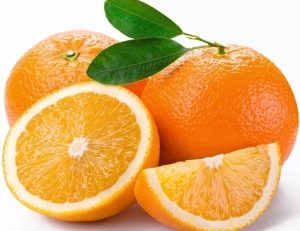
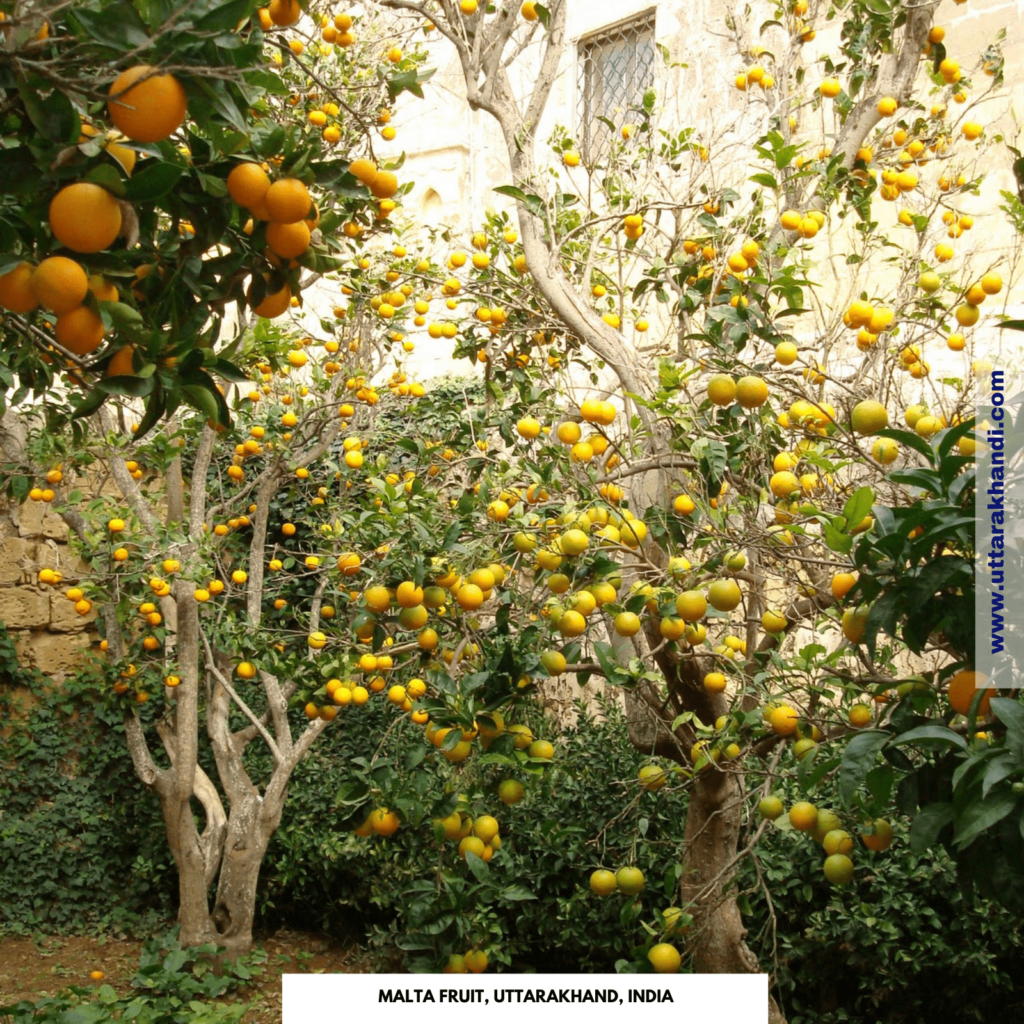
🍊 1. Malta (Citrus sinensis) – The Himalayan Orange
Malta is one of the most popular citrus fruits of Uttarakhand, known for its bright orange peel, juicy pulp, and refreshing aroma. This fruit is widely grown in the hilly regions and is an essential part of the local diet and economy. Malta trees thrive in the cool mountain climate, producing nutrient-rich, juicy oranges that are enjoyed across India. It is often used to make fresh juice, squashes, and traditional herbal drinks. The high Vitamin C content makes it a natural immunity booster, helping people stay healthy, especially in winter. Additionally, Malta is known for its cooling properties in summer.
Taste: Sweet and tangy with a refreshing citrus aroma.
Grown In: Pauri, Almora, Nainital, and Tehri.
Health Benefits:
✔️ High in Vitamin C – Boosts immunity and improves skin health.
✔️ Aids digestion and prevents acidity.
✔️ Detoxifies the body, improving overall health.
Uses: Consumed fresh, used in juices, squashes, and traditional medicinal drinks.
🌺 2. Buransh (Rhododendron arboreum) – The State Flower Fruit
Buransh, also known as Rhododendron, is the state flower of Uttarakhand and is famous for its bright red flowers, which are used to make refreshing drinks, syrups, and herbal tea. This unique fruit-flower combination has been part of local traditions for centuries. The Buransh plant grows at higher altitudes in the Himalayan region, thriving in cold and mountainous climates. Apart from its culinary uses, Buransh is known for its medicinal properties and is used in Ayurvedic remedies. It is believed to help with heart health, inflammation, and body cooling. In local households, Buransh juice is a summer favorite.
Taste: Mildly sweet and slightly tangy.
Grown In: Kumaon and Garhwal regions.
Health Benefits:
✔️ Natural coolant – Prevents dehydration in summer.
✔️ Supports heart health and lowers blood pressure.
✔️ Rich in antioxidants, reducing inflammation and joint pain.
Uses: Used to make Buransh juice, herbal tea, and syrups.
🍒 3. Kafal (Myrica esculenta) – The Wild Jewel of Uttarakhand
Kafal is one of the most cherished wild fruits of Uttarakhand, often called the “Himalayan Wild Berry.” It grows naturally in the dense forests of the mid-Himalayas, making it a rare and sought-after treat. Kafal is deep red when ripe, turning dark purple when fully matured. Locals eagerly wait for the summer season when Kafal becomes available, as its sweet and tangy taste is a favorite among children and adults alike. This fruit is deeply rooted in folklore, with many local legends and stories associated with it. It is also rich in nutrients, making it both delicious and healthy.
Taste: Sweet and slightly tart, similar to raspberries.
Grown In: Mid-Himalayan ranges of Almora, Pithoragarh, and Nainital.
Health Benefits:
✔️ Rich in fiber – Improves digestion and gut health.
✔️ Boosts metabolism due to high flavonoid content.
✔️ Known for anti-aging properties and cell regeneration.
Uses: Eaten fresh, used in jams, and made into refreshing drinks.
🍇 4. Timla (Ficus auriculata) – The Wild Fig of Uttarakhand
Timla, a wild fig variety, is one of the lesser-known but highly nutritious fruits found in the Himalayas. It grows in forested regions and is often harvested by locals for its sweet and chewy texture. This fruit is not only consumed fresh but also used in traditional medicine due to its digestive and heart-friendly properties. Timla is particularly valued for its high fiber content, which aids in gut health. It is also rich in natural sugars, making it an excellent energy booster for trekkers and villagers. The leaves and latex of Timla are used in Ayurvedic treatments.
Taste: Sweet, chewy, with a mild nutty flavor.
Grown In: Pithoragarh, Almora, Bageshwar.
Health Benefits:
✔️ Improves digestion and prevents constipation.
✔️ Good for heart health due to high potassium content.
✔️ Strengthens bones with its rich calcium content.
Uses: Consumed fresh, dried for snacks, and used in Ayurvedic medicine.
🍈 5. Karonda (Carissa carandas) – The Vitamin C Powerhouse
Karonda is a small, tangy fruit that grows in the hilly terrains of Uttarakhand and is widely used in pickles, chutneys, and herbal medicine. It is known for its deep pink to dark purple color and high Vitamin C content, making it a great immunity booster. The fruit is slightly sour when unripe but becomes sweet and juicy as it matures. Karonda is also known for its antibacterial properties and is commonly used in traditional remedies for oral health. Due to its sturdy nature, it is often carried by travelers and farmers as a nutritious snack in the mountains.
Taste: Initially sour, turns sweet when ripe.
Grown In: Chamoli, Pauri, Tehri.
Health Benefits:
✔️ Strengthens immunity with high Vitamin C.
✔️ Promotes healthy skin and hair.
✔️ Supports liver function and detoxifies the body.
Uses: Used in pickles, jams, chutneys, and eaten fresh.
🍋 6. Kilmora (Berberis asiatica) – The Himalayan Antioxidant Berry
Kilmora, also known as Indian Barberry, is a small, tangy fruit that grows in the higher elevations of Uttarakhand. It is bright yellow to reddish-purple and has been used in Ayurvedic medicine for centuries. The locals value Kilmora for its medicinal properties, especially in boosting liver function and improving digestion. This fruit is also rich in antioxidants and Vitamin C, making it a natural immunity booster. Many villagers use Kilmora to make pickles, jams, and herbal tonics. It is sometimes called “the berry of the Himalayas” due to its widespread presence in mountain forests.
Taste: Sour and slightly bitter when raw, sweetens when ripe.
Grown In: High-altitude forests of Pithoragarh, Chamoli, and Almora.
Health Benefits:
✔️ Rich in antioxidants – Helps fight free radicals.
✔️ Good for digestion and detoxification.
✔️ Strengthens eyesight and prevents eye infections.
Uses: Used in herbal medicines, pickles, jams, and syrups.
🍐 7. Bedu (Ficus palmata) – The Wild Himalayan Fig
Bedu, also known as the Himalayan Wild Fig, is a nutrient-rich, naturally growing fruit found in Uttarakhand’s hilly terrains and forests. This fruit is an integral part of local diets and is often eaten fresh or dried for medicinal purposes. It is valued for its high fiber content, which makes it an excellent remedy for constipation and digestion issues. Unlike regular figs, Bedu has a stronger, earthy taste and is high in natural sugars, providing a quick energy boost. In Ayurveda, it is used for treating skin infections, respiratory problems, and cardiovascular health.
Taste: Sweet with a slightly nutty flavor.
Grown In: Almora, Bageshwar, and Pithoragarh.
Health Benefits:
✔️ Rich in fiber – Helps in digestion.
✔️ Improves heart health due to potassium content.
✔️ Boosts immunity and provides energy.
Uses: Consumed fresh, dried, or used in Ayurvedic medicines.
🍑 8. Aadu (Prunus persica) – The Himalayan Peach
Aadu, or Peach, is one of the most popular and widely grown fruits in Uttarakhand. This juicy and sweet fruit is known for its vibrant orange skin and soft, pulpy texture. Aadu trees flourish in cooler mountain climates, producing fragrant and delicious peaches that are enjoyed fresh or used in jams, desserts, and squashes. Due to its rich Vitamin A and C content, Aadu is great for skin health and immunity. It is also a hydrating fruit, perfect for hot summer days in the hills. Farmers cultivate peaches extensively in orchards, making them an important cash crop in Uttarakhand.
Taste: Sweet, juicy, and slightly tangy.
Grown In: Nainital, Mukteshwar, and Ranikhet.
Health Benefits:
✔️ Great for skin health due to high Vitamin A.
✔️ Improves digestion with natural fiber.
✔️ Supports hydration and prevents heat exhaustion.
Uses: Eaten fresh, used in jams, squashes, and desserts.
🍒 9. Ghingaru (Pyracantha crenulata) – The Thorny Wild Berry
Ghingaru is a rare, thorny wild berry found in remote mountain areas of Uttarakhand. It is bright red in color and is often called “the Himalayan cranberry” due to its tart flavor and medicinal properties. Traditionally, locals use Ghingaru to make juices and herbal tonics to treat heart problems and respiratory issues. The fruit is rich in antioxidants and is believed to help in reducing cholesterol and improving blood circulation. The plant’s thorny nature makes harvesting difficult, but the effort is worth it due to its high nutritional value. Ghingaru is also used in rural Ayurvedic treatments.
Taste: Tart and slightly sweet when ripe.
Grown In: Chamoli, Pauri, and Rudraprayag.
Health Benefits:
✔️ Good for heart health and reduces cholesterol.
✔️ Boosts immunity and fights infections.
✔️ Improves respiratory health.
Uses: Used in juices, herbal tonics, and Ayurvedic medicines.
🍓 10. Hisalu (Rubus ellipticus) – The Golden Raspberry of the Himalayas
Hisalu, also called the Golden Himalayan Raspberry, is one of the most beloved wild fruits of Uttarakhand. This small, golden-yellow berry grows in forests and hilly slopes, often enjoyed by locals as a refreshing summer snack. Hisalu is rich in Vitamin C, antioxidants, and natural sugars, making it an excellent energy booster. The fruit has historical and cultural significance, often featured in folk tales and traditional remedies. It is also used in making jams, syrups, and traditional local wines. Hisalu’s tangy-sweet taste makes it a favorite among both children and elders in Uttarakhand.
Taste: Sweet, juicy, and slightly tangy.
Grown In: Nainital, Almora, and Pithoragarh.
Health Benefits:
✔️ Rich in Vitamin C – Strengthens immunity.
✔️ Supports digestion and gut health.
✔️ Promotes glowing skin and anti-aging.
Uses: Eaten fresh, used in jams, juices, and herbal syrups.
Frequently Asked Questions (FAQs) about the Top 10 Fruits of Uttarakhand
What are the most famous fruits that grow in Uttarakhand’s hills and valleys?
Uttarakhand is home to a variety of delicious and nutritious fruits, many of which are grown in its pristine, unpolluted mountain regions. Some of the most famous fruits found in this region include Kafal, Malta, Hisalu, Bedu, Aadu (Peach), Ghingaru, Kilmora, Timla, Karonda, and Dadim (Wild Pomegranate). These fruits are not only flavorful but also packed with health benefits, making them a valuable part of Uttarakhand’s local diet and traditional remedies.
Why are the native fruits of Uttarakhand considered special compared to regular market fruits?
The fruits of Uttarakhand are naturally grown in the Himalayan region, where the climate and soil conditions make them highly nutritious. Many of these fruits are wild and organic, growing in forests and mountain slopes without any artificial fertilizers or pesticides. They are rich in vitamins, minerals, and antioxidants, helping to boost immunity and prevent various diseases. Since they are mostly seasonal and locally available, their freshness and quality remain unmatched.
Which fruit has been officially declared as the state fruit of Uttarakhand?
The state fruit of Uttarakhand is Kafal (Myrica esculenta), a small wild berry that ripens during the summer months. Kafal is deeply rooted in Uttarakhand’s culture and folklore, often celebrated in local songs and stories. The fruit is known for its tangy-sweet taste, and locals eagerly wait for its short harvesting season in May and June. Many people believe Kafal has excellent medicinal properties, aiding digestion and improving overall health.
Where can people buy these unique Uttarakhand fruits if they do not live in the region?
If you are not in Uttarakhand but want to experience these delicious mountain fruits, you can find some of them in local markets, online organic stores, and regional food festivals. Certain fruits like Malta (Hill Orange), Aadu (Peach), and Timla (Wild Fig) are sometimes available in supermarkets and organic food stores in different parts of India. However, rare wild fruits like Kafal, Hisalu, and Ghingaru are difficult to transport and are mostly available fresh only in Uttarakhand’s villages and towns during their respective seasons.
Are there any rare or unique fruits that are found only in Uttarakhand and not in other states?
Yes, Uttarakhand is home to several rare and unique fruits that are not commonly found in other parts of India. Hisalu (Golden Himalayan Raspberry), Kafal (Wild Bayberry), and Ghingaru (Himalayan Hawthorn) are three such fruits that grow only in the cool, high-altitude forests of Uttarakhand. These fruits are known for their distinctive flavors, medicinal properties, and deep connection with local traditions. Many of these wild fruits are foraged directly from nature rather than cultivated on farms, making them even more special.
Which of Uttarakhand’s native fruits are considered the healthiest for overall well-being?
Many of Uttarakhand’s fruits are rich in vitamins, minerals, and antioxidants, making them excellent for overall health. Some of the healthiest ones include:
- Kafal (Wild Bayberry) – Known for its high antioxidant content, it helps in boosting immunity and digestion.
- Malta (Hill Orange) – Packed with Vitamin C, this fruit supports skin health and strengthens the immune system.
- Timla (Wild Fig) – Beneficial for heart health, digestion, and blood sugar control.
- Ghingaru (Himalayan Hawthorn) – A natural remedy for reducing cholesterol and improving heart function.
- Karonda (Bengal Currant) – A great source of iron and Vitamin C, useful for treating anemia and digestive issues.
Since most of these fruits grow in the wild, are they available throughout the year?
No, most of Uttarakhand’s native fruits are seasonal, meaning they are available only for a limited time during the year. Their availability depends on climate conditions and altitude. Some examples include:
- Kafal (Wild Bayberry) – Available in May and June.
- Hisalu (Golden Himalayan Raspberry) – Found during March and April.
- Malta (Hill Orange) – Ripens in November to January.
- Aadu (Peach) – Harvested in June and July.
- Timla (Wild Fig) – Typically available between August and September.
Since these fruits are perishable, they are best enjoyed fresh during their respective seasons.
Can people grow Uttarakhand’s famous fruits in their home gardens or farms?
Yes, certain fruits like Malta (Hill Orange), Timla (Wild Fig), Aadu (Peach), and Bedu (Himalayan Fig) can be cultivated in home gardens or small farms, provided they receive the right climate and soil conditions. These fruits thrive in cooler temperatures, well-drained soil, and moderate sunlight. However, some wild fruits like Kafal and Hisalu are much harder to grow outside their natural Himalayan environment, as they require specific altitude conditions to flourish.
Are any of these Uttarakhand fruits used in Ayurveda or traditional medicine?
Yes, many of these fruits have been used for centuries in Ayurvedic and traditional medicine due to their healing properties. Some notable examples include:
- Kilmora (Barberry) – Helps in liver detoxification, digestion, and reducing inflammation.
- Timla (Wild Fig) – Used for controlling diabetes, improving heart health, and aiding digestion.
- Ghingaru (Himalayan Hawthorn) – Supports heart function, lowers cholesterol, and improves blood circulation.
- Karonda (Bengal Currant) – A natural source of iron, beneficial for anemia and boosting immunity.
- Dadim (Wild Pomegranate) – Known for its antioxidant properties, helps in blood purification and digestion.
Do any of these Uttarakhand fruits get exported to other states or countries?
Yes, some fruits like Malta (Hill Orange), Timla (Wild Fig), and Aadu (Peach) are exported to other Indian states and even international markets in the form of juices, jams, dried fruits, and other processed products. However, wild seasonal fruits like Kafal and Hisalu are difficult to export because they spoil quickly and are best consumed fresh. Most of these fruits are enjoyed within Uttarakhand’s local communities and seasonal markets.
The fruits of Uttarakhand are not just a source of nourishment but a reflection of the region’s rich biodiversity, culture, and traditions. These unique fruits ranging from the beloved Kafal and Hisalu to the nutritious Malta, Timla, and Ghingaru offer a blend of exceptional taste and medicinal properties. Many of them are deeply rooted in local folklore, Ayurvedic healing, and traditional cuisine, making them an essential part of Uttarakhand’s heritage. While some of these fruits are available in markets, others grow wild in the forests and are enjoyed only by those who live in the hills or visit during the right season. Their seasonal nature and organic growth make them highly valued for their freshness and health benefits. With growing awareness about organic and native produce, efforts are being made to preserve and promote these rare Himalayan fruits for future generations.
Fruits of Uttarakhand are not just delicious but also deeply connected to the culture, traditions, and health of the people in the region. These rare and exotic fruits are an integral part of local cuisine, herbal medicine, and daily life. Whether it’s the wild tanginess of Kafal, the citrusy refreshment of Malta, or the immunity-boosting power of Karonda, each fruit carries a unique story and health benefits. By appreciating and supporting these native fruits, we can help sustain local farmers, protect biodiversity, and encourage a return to natural and healthier food choices. Whether you are a nature enthusiast, a traveler, or a health-conscious individual, tasting the authentic flavors of Uttarakhand’s fruits is an experience not to be missed!