Maha Shivaratri
Maha Shivaratri is a sacred Hindu festival dedicated to Lord Shiva, celebrating his divine dance, marriage to Parvati, and the night he drank poison to save the universe. Devotees observe fasting, chant “Om Namah Shivaya,” and perform rituals to seek blessings, spiritual growth, and liberation.
On a moonless night, deep in the Himalayas, a sage sat in deep meditation. The winds whispered sacred hymns, and the stars shimmered like a celestial orchestra honoring the divine. It was Maha Shivratri, the night when the cosmos itself seemed to resonate with the powerful energy of Lord Shiva, the Supreme Destroyer and Protector. This festival, celebrated by millions of devotees across the world, is not just a ritualistic occasion but a night of spiritual awakening and transformation.
The Real Story Behind Maha Shivratri
According to ancient scriptures, there was once a poor tribal man named Lubdhaka, who was a great devotee of Lord Shiva. On the night of Maha Shivratri, while wandering through the dense forests in search of food, he lost his way. Fearful of wild animals, he climbed a Bel tree and plucked its leaves to drop one by one to stay awake. Unknowingly, the leaves fell upon a Shiva Lingam beneath the tree. Throughout the night, Lubdhaka kept chanting Shiva’s name in desperation, praying for protection.
At dawn, Lord Shiva appeared before him, pleased with his devotion and sincerity. He blessed Lubdhaka with wisdom and salvation. This event symbolizes that true worship is not about elaborate rituals but pure devotion and unwavering faith.
Why is Maha Shivratri Celebrated?
Maha Shivratri is observed as a night of divine energy, purification, and self-realization. It is believed that fasting, praying, and meditating on this night can lead to spiritual liberation (moksha). Devotees seek Lord Shiva’s blessings for peace, wisdom, and prosperity, as he is regarded as the ultimate source of strength and transformation.
Rituals and Traditions of Maha Shivratri
1. Fasting and Devotion
On this sacred occasion, devotees observe strict fasts, consuming only fruits, milk, and water. Many even observe a Nirjala Vrat, abstaining from food and water to express their unwavering devotion to Lord Shiva.
2. The Grand Shiva Abhishek
Temples across India witness thousands of devotees offering milk, honey, yogurt, ghee, bel (Bilva) leaves, and holy water to Shiva Lingams. The Abhishek (ritualistic bath) symbolizes purification and surrender to the divine.
3. Nightlong Vigil (Jagran) and Meditation
The night of Maha Shivratri is considered highly auspicious for meditation and chanting. Devotees chant the powerful mantra “Om Namah Shivaya” and sing devotional hymns to invoke Shiva’s blessings.
4. Visiting Sacred Temples
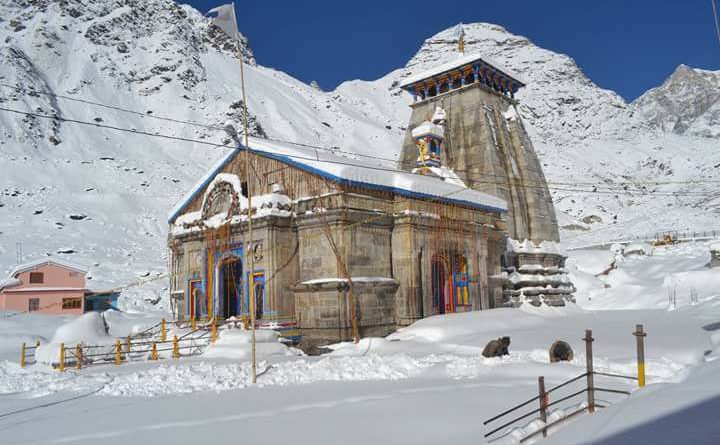
From the ancient Kashi Vishwanath in Varanasi to the holy Kedarnath Temple in the Himalayas, devotees visit Shiva shrines, seeking divine grace and spiritual upliftment.
5. Symbolic Marriage of Shiva and Parvati
In many parts of India, Maha Shivratri is celebrated as the wedding anniversary of Lord Shiva and Goddess Parvati. Grand processions, bhajans, and temple rituals reenact this celestial union, signifying the harmony between Shiva’s asceticism and Parvati’s nurturing nature.
Spiritual and Scientific Significance of Maha Shivratri
Beyond religious beliefs, Maha Shivratri holds scientific and cosmic importance. According to yogic traditions, on this night, the planetary alignments enhance spiritual energy, making it an ideal time for deep meditation. Many believe that staying awake through the night with an upright spine aligns the body’s chakras, leading to mental clarity and inner peace.
Maha Shivratri Across India
- Ujjain’s Mahakaleshwar Temple witnesses grand celebrations, where the Bhasma Aarti (offering of sacred ash) is performed at dawn.
- Varanasi, the city of Shiva, is illuminated with thousands of diyas, and the chants of ‘Har Har Mahadev’ echo through the streets.
- Kedarnath and Amarnath temples attract thousands of pilgrims braving the harsh terrain to offer prayers at these ancient shrines.
- In South India, devotees perform Rudrabhishek and recite Shiva Purana, seeking his divine protection.
The Deeper Meaning of Maha Shivratri
Maha Shivratri is not just about rituals; it is a journey of self-discovery. Shiva represents the infinite, the timeless, and the all-encompassing energy. Worshiping Shiva is about understanding that destruction is not an end but a beginning. It is a reminder that life is ever-changing and that true peace comes from embracing transformation with grace.
As the sacred night unfolds, devotees immerse themselves in the divine vibrations of Maha Shivratri, surrendering to Lord Shiva’s wisdom and strength. Whether through fasting, chanting, or deep meditation, this night offers a rare opportunity to connect with the cosmos, the self, and the divine. As the first rays of the sun kiss the horizon, the echoes of “Om Namah Shivaya” continue to linger, reminding the world that within every end lies a new beginning, and within destruction, there is always creation.
Legends Associated with Maha Shivaratri
Maha Shivaratri is one of the most revered festivals in Hinduism, and its significance is deeply rooted in various mythological legends. These stories, passed down through the ages, highlight Lord Shiva’s supreme power, compassion, and role as the cosmic protector. Each legend associated with this sacred night conveys profound spiritual truths and lessons.
The Cosmic Dance of Shiva (Tandava Nritya)
One of the most profound beliefs in Shaivism is that Maha Shivaratri marks the night when Lord Shiva performs his divine cosmic dance—Tandava. This dance symbolizes the cycle of creation, preservation, and destruction that governs the universe.
Description of the Tandava Dance
- The Tandava is not just a dance but a metaphysical movement that represents the rhythmic cycles of life and death.
- Every movement of Shiva in this dance embodies a universal force, such as creation, destruction, time, and energy.
- It is said that as Shiva dances, galaxies are formed and dissolved, making him the ultimate cosmic force.
Significance on Maha Shivaratri
- Devotees believe that by staying awake and chanting Shiva mantras, they can align themselves with this divine energy.
- Many temples host Tandava performances, with artists depicting Shiva’s dance in a grand and sacred manner.
- The chanting of Om Namah Shivaya and recitation of the Shiva Purana create vibrations that resonate with the cosmic dance, purifying the mind and soul.
This legend reinforces the idea that life is an ever-changing cycle, and Shiva is the eternal force maintaining balance.
The Divine Marriage of Shiva and Parvati
Another popular legend describes Maha Shivaratri as the night when Lord Shiva and Goddess Parvati were united in holy matrimony.
The Story of Their Sacred Union
- Goddess Parvati, the daughter of the Himalayas, was deeply in love with Shiva. However, Shiva was lost in meditation and unaware of her devotion.
- Determined to win his love, Parvati performed severe penance for many years, enduring hardships in the mountains.
- Seeing her unwavering devotion, the sages and gods requested Lord Kamadeva (the god of love) to awaken Shiva from his deep meditation.
- When Kamadeva shot his arrow of love at Shiva, he opened his third eye in anger, reducing Kamadeva to ashes.
- However, Shiva was moved by Parvati’s sincere love and dedication, and he finally accepted her as his divine consort.
Significance for Devotees
- The marriage of Shiva and Parvati symbolizes the balance between masculine (Shiva) and feminine (Shakti) energies in the universe.
- Unmarried women observe Maha Shivaratri, praying for an ideal life partner like Lord Shiva.
- Married women fast and perform puja for the well-being and longevity of their husbands.
- In many temples, devotees reenact the divine wedding, celebrating with rituals and prayers.
This legend highlights the power of devotion, perseverance, and the sacred bond of marriage.
The Story of Shiva as Neelkanth (The Blue-Throated One)
One of the most famous legends associated with Maha Shivaratri is the story of how Lord Shiva saved the universe from destruction by drinking poison during the Samudra Manthan (churning of the cosmic ocean).
The Churning of the Ocean (Samudra Manthan)
- The Devas (gods) and Asuras (demons) were in search of Amrit (the nectar of immortality) and decided to churn the cosmic ocean using Mount Mandara as a churning rod and Vasuki, the serpent, as a rope.
- As they churned the ocean, several divine and miraculous objects emerged, such as the Kalpavriksha (wish-fulfilling tree), Kamadhenu (celestial cow), and Lakshmi (goddess of wealth).
- However, before the Amrit appeared, a deadly poison called Halahala surfaced, capable of destroying all creation.
Shiva’s Ultimate Sacrifice
- Seeing the gods and demons panic, Lord Shiva took the poison in his hands and drank it to protect the universe.
- Goddess Parvati, fearing the poison would spread in his body, held his throat, preventing it from going further.
- The poison turned his throat blue, earning him the name Neelkanth (the Blue-Throated One).
Significance on Maha Shivaratri
- Devotees worship Shiva with Bilva (Bel) leaves, as they are believed to have a cooling effect on his body.
- The festival is a reminder that true strength lies in selfless sacrifice and taking responsibility for others.
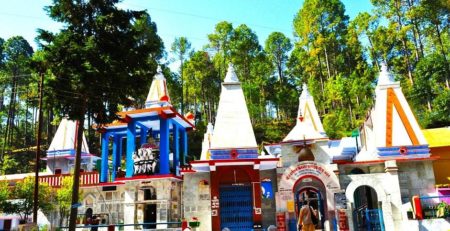
- Many believe that the Neelkanth Mahadev Temple in Uttarakhand is the sacred place where this event took place.
This legend reflects Shiva’s boundless compassion and his role as the savior of the universe.
The Legend of the Hunter and the Shiva Lingam
Another fascinating legend of Maha Shivaratri revolves around a hunter who unknowingly worshipped Lord Shiva and attained salvation.
The Story of the Devotee Hunter
- A hunter, unaware of Shiva’s greatness, went deep into the forest in search of food.
- Night fell, and unable to return home, he climbed a Bilva tree and decided to stay there.
- To pass the time, he started plucking and dropping the Bilva leaves, which unknowingly fell onto a Shiva Lingam beneath the tree.
- This accidental offering pleased Lord Shiva, and he blessed the hunter with divine grace and liberation.
Spiritual Lesson
- This legend signifies that even an unintentional act of devotion can lead to divine blessings.
- It highlights the power of faith and sincerity, even when one is unaware of their spiritual path.
- Devotees offer Bilva leaves to Shiva Lingam, following the tradition set in this legend.
The Lingodbhava Legend (The Infinite Form of Shiva)
This legend speaks of Shiva’s supreme power and infinite nature, as seen in the Lingodbhava (appearance of Shiva Lingam) story.
The Challenge Between Vishnu and Brahma
- Lord Vishnu (the preserver) and Lord Brahma (the creator) once had an argument over who was the supreme being.
- As they debated, an infinite pillar of fire (Jyotirlinga) suddenly appeared, stretching beyond sight.
- Both gods were astonished and decided to find the beginning and end of the pillar to prove their supremacy.
- Vishnu transformed into a boar (Varaha) and dug deep into the earth, but he could not find the root.
- Brahma flew upwards in the form of a swan, trying to reach the top, but failed.
- Accepting their defeat, both deities realized that Shiva was the Supreme God, beyond form and limitations.
Significance
- This legend signifies that Shiva is beyond time, space, and form, and the Shiva Lingam represents this infinite cosmic energy.
- Maha Shivaratri is an occasion for devotees to realize the vastness of the divine and seek spiritual enlightenment.
These legends associated with Maha Shivaratri reveal the divine greatness of Lord Shiva, emphasizing his cosmic dance, sacrifice, compassion, infinite form, and supreme wisdom. The festival is not just about rituals but also about understanding and embracing the deeper spiritual truths of life. As devotees celebrate this sacred night, they seek Shiva’s blessings for inner peace, strength, and liberation from ignorance.
FAQs on Maha Shivaratri
Here are some frequently asked questions (FAQs) about Maha Shivaratri, covering its significance, rituals, and spiritual aspects.
What is Maha Shivaratri?
Maha Shivaratri is a major Hindu festival dedicated to Lord Shiva. It is observed on the 14th night of the lunar month of Phalguna (February–March). Devotees observe fasting, perform night-long prayers, and worship Shiva for spiritual awakening and blessings.
Why is Maha Shivaratri celebrated?
Maha Shivaratri is celebrated for multiple reasons, including:
- The divine marriage of Lord Shiva and Goddess Parvati.
- The cosmic dance (Tandava) performed by Shiva.
- Shiva drinking the Halahala poison to save the universe during Samudra Manthan.
- The appearance of the infinite Jyotirlinga form of Shiva.
What are the key rituals performed on Maha Shivaratri?
The main rituals of Maha Shivaratri include:
- Fasting (Upvas), where devotees refrain from eating throughout the day.
- Abhishek (ritual bathing of the Shiva Lingam) with milk, honey, ghee, water, and Bilva leaves.
- Chanting of mantras like Om Namah Shivaya and Maha Mrityunjaya Mantra.
- Night-long vigil (Jagran), where devotees stay awake and offer prayers.
- Reading of Shiva Purana and singing devotional hymns.
What is the significance of fasting on Maha Shivaratri?
Fasting is observed to purify the body and mind, symbolizing self-discipline and devotion. It is believed that fasting on Maha Shivaratri helps in attaining spiritual growth and divine blessings.
Can everyone observe the Maha Shivaratri fast?
Yes, anyone can observe the fast, including men, women, and children, based on their health and capacity. However, pregnant women, elderly people, and those with medical conditions can opt for a partial fast.
What food can be eaten during Maha Shivaratri fasting?
Devotees observing the fast consume:
- Fruits, milk, and dry fruits.
- Special fasting food like Sabudana Khichdi, Kuttu Atta (buckwheat flour) dishes, and Singhara Atta (water chestnut flour) snacks.
- Non-grain foods and rock salt (sendha namak) are allowed.
Why do devotees offer Bilva (Bel) leaves to Lord Shiva?
Bilva leaves are considered sacred and are believed to cool down Lord Shiva’s divine energy. They are also associated with spiritual purification and removing past sins.
Why do people stay awake all night on Maha Shivaratri?
Staying awake during the night (Jagran) symbolizes victory over ignorance and darkness. It is believed that devotees who stay awake chanting Lord Shiva’s name attain his divine grace and blessings.
What is the significance of the Shiva Lingam?
The Shiva Lingam represents the infinite, formless aspect of Lord Shiva, symbolizing creation, preservation, and destruction. Worshipping the Lingam signifies the worship of the supreme cosmic power.
Which temples are famous for Maha Shivaratri celebrations?
Some famous temples where Maha Shivaratri is grandly celebrated are:
- Kashi Vishwanath Temple (Varanasi, Uttar Pradesh)
- Somnath Jyotirlinga (Gujarat)
- Mahakaleshwar Jyotirlinga (Ujjain, Madhya Pradesh)
- Neelkanth Mahadev Temple (Uttarakhand)
- Baidyanath Jyotirlinga (Jharkhand)
What are the most powerful mantras to chant on Maha Shivaratri?
Some of the powerful Shiva mantras include:
- Om Namah Shivaya – The most sacred mantra dedicated to Shiva.
- Maha Mrityunjaya Mantra – Chanted for protection and good health.
- Shiva Panchakshari Mantra (ॐ नमः शिवाय) – Signifies surrender to Lord Shiva.
Can Maha Shivaratri be celebrated at home?
Yes, devotees can perform Maha Shivaratri puja at home by offering milk, honey, water, and Bilva leaves to a Shiva Lingam, chanting Shiva mantras, and meditating on his divine form.
What are the spiritual benefits of celebrating Maha Shivaratri?
Observing Maha Shivaratri is believed to bring:
- Spiritual purification and liberation (Moksha).
- Removal of negative energies and past sins.
- Health, peace, and prosperity in life.
- Strength to overcome difficulties.
What should one avoid on Maha Shivaratri?
- Consuming non-vegetarian food and alcohol.
- Using regular salt instead of sendha namak.
- Sleeping during the night (as Jagran is observed).
- Engaging in negative thoughts or actions.
What is the connection between Maha Shivaratri and planetary energy?
According to yogic traditions, on Maha Shivaratri, the planetary positions enhance spiritual energy, making it an ideal time for meditation, self-reflection, and inner transformation.
How is Maha Shivaratri different from monthly Shivaratri?
- Maha Shivaratri is the most significant and grandly celebrated Shivaratri, occurring once a year.
- Masik Shivaratri (monthly Shivaratri) occurs every month on the 14th lunar night of Krishna Paksha and is a mini observance for Lord Shiva.
What should one do if they cannot fast on Maha Shivaratri?
If one is unable to fast due to health or other reasons, they can still participate by:
- Offering prayers and Bilva leaves to Shiva.
- Chanting Om Namah Shivaya.
- Reading Shiva Purana or listening to bhajans.
Is Maha Shivaratri celebrated only in India?
No, Maha Shivaratri is celebrated by Hindus worldwide, especially in countries like Nepal, Sri Lanka, Mauritius, Indonesia, and Fiji, where there are significant Shiva devotees.
How do Shaivites and different sects celebrate Maha Shivaratri?
- Shaivites consider Maha Shivaratri one of the most sacred nights for devotion and meditation.
- Vaishnavites also respect the festival, but their primary focus is on Lord Vishnu.
- Tantric practitioners believe that the night of Maha Shivaratri holds deep mystical significance for spiritual awakening.
What is the best time to perform Maha Shivaratri puja?
The ideal time for worship is during Nishita Kaal (midnight), which is believed to be the most auspicious hour for seeking Shiva’s blessings.
Why is Maha Shivaratri called “The Great Night of Shiva”?
Maha Shivaratri is known as The Great Night of Shiva because it is believed to be the night when Shiva performs the cosmic Tandava dance, symbolizing the cycle of creation, preservation, and destruction.
What is the significance of the crescent moon on Shiva’s head?
The crescent moon on Shiva’s head symbolizes control over time and emotions. It represents the cycle of life and reminds devotees of the importance of balance and wisdom.
Why is Lord Shiva called Neelkanth?
Shiva is called Neelkanth (the Blue-Throated One) because he drank the deadly Halahala poison during the Samudra Manthan (churning of the ocean) to protect the universe. The poison turned his throat blue, giving him the name Neelkanth Mahadev.
How does Maha Shivaratri contribute to personal and spiritual growth?
Maha Shivaratri is a time for deep meditation, self-reflection, and devotion. It helps individuals overcome negativity, develop self-discipline, and seek spiritual enlightenment by surrendering to Lord Shiva.
Here are the Maha Shivaratri dates, marking the sacred night dedicated to Lord Shiva:
📅 Maha Shivaratri Dates:
- 2025: Friday, February 26
- 2026: Tuesday, February 17
- 2027: Saturday, March 6
- 2028: Wednesday, February 23
- 2029: Sunday, February 11
Maha Shivaratri falls on the 14th night of the waning moon (Chaturdashi Tithi) in the Hindu month of Phalguna or Magha. Devotees observe fasting, nightlong vigils, and prayers, seeking blessings for spiritual awakening and divine grace.
Maha Shivaratri Wishes
Garhwali Wishes
- भगवान शिव जी तुमारु जीवन खुसहाल औ सुख-शांति भरपूर करद। महा शिवरात्रि की बधाई। 🕉️🙏
(May Lord Shiva bless your life with happiness and peace. Happy Maha Shivaratri!) - शिव जी की किरपा तुमारु उप्पर बणी रौ, तुमारु दुख दर्द दूर करद। ओम् नमः शिवाय। 🔱✨
(May Lord Shiva’s blessings always be upon you and remove all your sorrows. Om Namah Shivaya!) - महा शिवरात्रि को पावन दिन, भगवान शिवजी तुमारु जीवन खुशी औ समृद्धि से भर द। 🌿🌕
(On this auspicious day of Maha Shivaratri, may Lord Shiva fill your life with joy and prosperity!) - भगवान नीलकंठ महादेव तुमारु रक्षा करन, तुमारु जीवन आनंदमयी बनोन। 💙🕉️
(May Lord Neelkanth Mahadev protect you and make your life blissful!) - भगवान शिवजी की जये! तुमारु जीवन सत्य औ धर्म के मार्ग में आग्य बढ़ण। महा शिवरात्रि मुबारक! 🙏🌺
(Hail Lord Shiva! May you always walk on the path of truth and righteousness. Happy Maha Shivaratri!) - ओम् नमः शिवाय! महादेव तुमारु मनोकामना पूरी करन औ आशीर्वाद दण। 🔱🕉️
(Om Namah Shivaya! May Mahadev fulfill all your wishes and bless you!) - भगवान शिवजी की कृपा तुमारु घर-परिवार में शांति औ समृद्धि भरपूर करद। 💪✨
(May Lord Shiva’s blessings bring peace and prosperity to your home and family!) - महा शिवरात्रि को यह पावन पर्व तुमारु जीवन मा उजाला औ सफलता ल्याव। 🔱🌿
(May this sacred festival of Maha Shivaratri bring light and success into your life!) - महा शिवरात्रि के इस शुभ अवसर मा, महादेव तुमारु हर कठिनाई दूर करद। 🌕✨
(On this holy occasion of Maha Shivaratri, may Mahadev remove all your difficulties!) - शिवरात्रि के इस पावन रात्री मा शिवजी की कृपा तुमारु उप्पर बनि रहो। 🌺🙏
(On this divine night of Shivaratri, may Lord Shiva’s blessings always be with you!)
Kumaoni Wishes
- भगवान शिव तुमारो जीबन सुख-शांति स भरी दे, महा शिवरात्रि को शुभकामना। 🕉️🙏
(May Lord Shiva fill your life with peace and happiness. Wishing you a blessed Maha Shivaratri!) - महादेव तुमारु हर दुख दर्द हर लें, खुशहाली औ समृद्धि स तुमारो घर भर दें। 🔱✨
(May Mahadev take away all your sorrows and fill your home with prosperity!) - शिवजी की कृपा तुमारू उप्पर हमेशा बनी रहै, ओम् नमः शिवाय! 🌿🌕
(May the blessings of Lord Shiva always remain upon you. Om Namah Shivaya!) - भगवान नीलकंठ महादेव तुमारो संरक्षण करै, औ तुमारु परिवार सदा मंगल में रहै। 💙🕉️
(May Lord Neelkanth Mahadev always protect you and keep your family blessed!) - शिवरात्रि को यह पावन दिन तुमारु जीबन में नई रोशनी औ नया उमंग ल्याव। 🙏🌺
(May this holy Shivaratri bring new light and enthusiasm into your life!) - ओम् नमः शिवाय! महादेव तुमारु मनोकामना पूरी करन औ सदा तुमारो रक्षा करन। 🔱🕉️
(Om Namah Shivaya! May Mahadev fulfill all your desires and always protect you!) - भगवान शिवजी तुमारु हर बाधा दूर करै औ तुमारू मन शांति स भरि दें। 💪✨
(May Lord Shiva remove all obstacles from your path and fill your heart with peace!) - शिवरात्रि को यह दिन तुमारु जीवन में सफलता, समृद्धि औ खुशी ल्याव। 🔱🌿
(May this Shivaratri bring success, prosperity, and happiness to your life!) - भगवान भोलेनाथ को आशीर्वाद तुमारु उप्पर सदा बनि रहै, महा शिवरात्रि मुबारक! 🌕✨
(May Lord Bholenath’s blessings always be with you. Happy Maha Shivaratri!) - शिवरात्रि की इस पावन रात मा, शिवजी तुमारू जीवन उजाला स भरि दें। 🌺🙏
(On this sacred night of Shivaratri, may Lord Shiva fill your life with divine light!)
Maha Shivaratri is not just a festival but a profound spiritual experience that signifies the divine balance of the universe. It is a night of deep meditation, devotion, and self-reflection, where devotees seek Lord Shiva’s blessings for wisdom, strength, and liberation. The sacred shrines of Kedarnath in Uttarakhand and other revered temples across India witness grand celebrations, reinforcing Shiva’s omnipresence and power. Observing fasts, chanting “Om Namah Shivaya,” and performing rituals help devotees connect with the cosmic energy, paving the way for inner peace, transformation, and divine enlightenment.