Kandali Saag
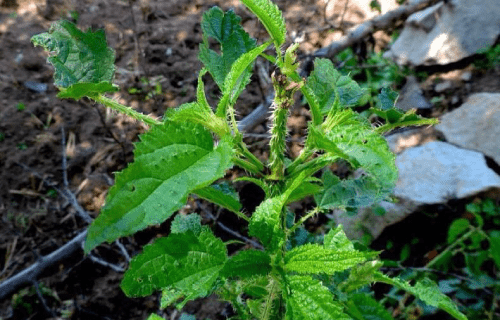
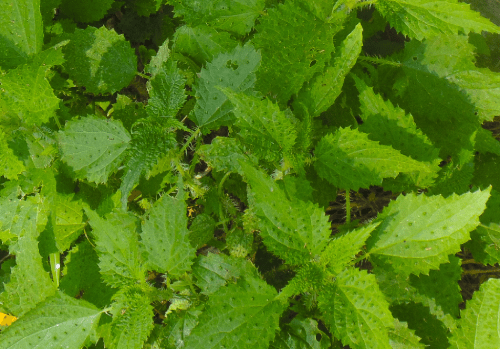
Kandali ka Saag is a traditional dish made from the young leaves of the Kandali (Stinging Nettle) plant, commonly found in the Garhwal region of Uttarakhand. Despite the plant’s stinging nature, it is a popular and nutritious dish among the locals, particularly in the villages of Chamoli, where it is harvested during specific times of the year.
Ingredients:
- Fresh Kandali leaves (young leaves are preferred)
- Mustard oil or ghee
- Garlic (finely chopped)
- Ginger (finely chopped)
- Onions (optional)
- Green chilies (optional)
- Cumin seeds
- Turmeric powder
- Salt to taste
Preparation Method:
Harvesting and Preparing the Kandali:
The young leaves of the Kandali plant are harvested and handled carefully to avoid the sting. Rinse the leaves thoroughly to remove any dirt or debris.
Boiling the Leaves:
Boil the leaves in water for about 10-15 minutes to neutralize the stinging effect of the plant. Once boiled, drain the water and mash the leaves slightly to make them tender.
Cooking the Saag:
-
- In a pan, heat mustard oil or ghee. Add cumin seeds and let them crackle.
- Add finely chopped garlic and ginger (and onions if using) and sauté until golden brown.
- Add turmeric powder and green chilies for a spicy kick.
- Now, add the boiled Kandali leaves to the pan and sauté everything together for a few minutes. Stir occasionally to allow the flavors to blend.
- Add salt to taste and cook the saag until it reaches the desired consistency.
Serving:
Serve hot with steamed rice, chapati, or madua (finger millet) rotis.
Nutritional and Cultural Significance
Kandali leaves are rich in iron, vitamins, and essential minerals. This dish is considered a powerhouse of nutrients, especially for people living in the cold mountain regions. It’s not just a delicacy but also a part of the cultural and medicinal heritage of Garhwal.
Kandali ka Saag is a remarkable dish made from the Kandali or Stinging Nettle plant, locally known as Sisun or Bichhu Ghas. Despite its fierce reputation for causing itching and rashes if touched, this plant is cleverly transformed into a delicious and nutritious meal by the people of Uttarakhand. It’s the perfect example of “thinking-out-of-the-box” – taking something that seems dangerous and turning it into a delightful culinary experience.
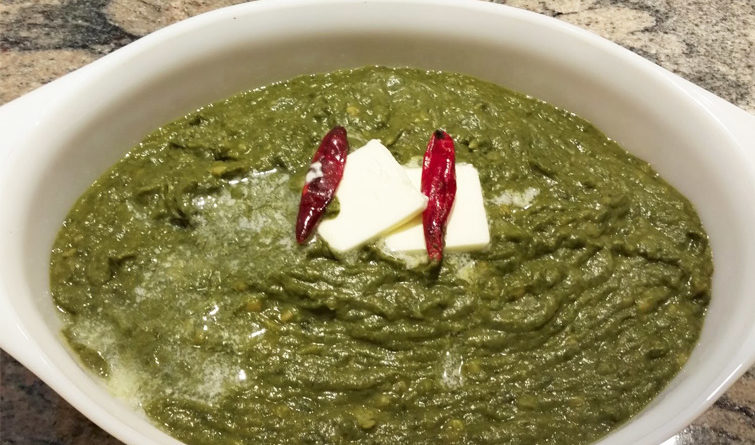
The process starts by boiling the Kandali leaves, which neutralizes their sting. After boiling, the leaves are mashed into a fine pulp and slow-cooked over a low flame to allow the flavors to blend beautifully. The dish is finished with a simple yet rich garnish of fresh tomatoes and a generous dollop of butter, giving it a creamy and tangy finish.
For those familiar with Uttarakhand, you’ve likely encountered the infamous Bichhu Ghas. The plant, which can leave you with itchy rashes for hours if mishandled, is truly a “badass” of the plant world. Yet, the locals have mastered the art of turning this lethal-looking plant into a mouth-watering dish that’s both wholesome and full of earthy flavors.
Next time you’re in Uttarakhand, don’t miss out on the chance to try this unique dish. It’s a perfect representation of the region’s rich culture, resilience, and creativity in the kitchen.
About Kandali
One of India’s most picturesque states, Uttarakhand is renowned for its cuisine, art, and culture in addition to its stunning mountain scenery. Every visitor who eats the cuisine is compelled to lick their fingers. The cuisine here comes in a wide range of kinds. The name of the greens from Kandali (Kandaali ka Saag) is always mentioned first while discussing famous meals from Uttarakhand.
Today, we will be discussing Kandali, also known as Sisunam. This is not only a cure-all for health problems, but it also tastes great. Let us share some unique information with you about this particular medication. The elderly inhabitants of the mountain were aware of the advantages of meditation, which is why they place a high value on the greens of Kandali in their diet. You will be amazed to learn about its medical qualities as well.
Most people in Kandali, Sisunam, and Bichhu Khas refer to it as “Scorpion grass.” In the Kumaon area of Uttarakhand, it is known as Sisoon and in the Garhwal region as Kandali. The Urticaceae plant family includes this particular plant. Urtica parviflora is its scientific name.
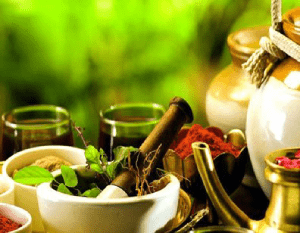
If you have a sickness caused by the pitta dosha in your body, you should definitely take kandali since it is a cure-all for many illnesses. It is quite effective in removing stomach heat. Additionally, it eliminates illnesses brought on by the stomach. You may use its leaves to prepare an extract that you can apply to any region of your body that has been strained. You’ll feel better right away as a result.
According to experts, scorpions are the finest remedy for malaria. Prepare its greens and offer them to malaria patients. For malaria patients, it functions as an antioxidant and antibacterial. Additionally, if you feel stiffness in your body in addition to this, prepare greens and consume it if your stomach is not cleaning itself. In Uttarakhand, people eat its excellent greens with rice.
There are nutrients Iron, vitamin A, and fibre are all abundant in kandali. Enjoy this recipe with chapati and rice. Iron is abundant in kandali leaves, which cures anaemia. In addition to this, kandali contains large amounts of formic acid, acetyl choline, and vitamin A. Consuming it helps with jaundice, gastrointestinal disorders, cough, and colds. Additionally, ingestion of kandali is suggested for conditions connected to the kidneys.
Kandali leaves are used to make saag, which is in Uttarakhand, it’s very chilly. Start eating greens prepared from kandali since this is another simple technique to avoid getting a cold. On the leaves of Kandali, there are tiny thorns that resemble hair. Therefore, boil the leaves thoroughly before using them to produce greens. This helps to separate the thorns on its leaves. One of the state’s most well-known delicacies is kandali ka saag. It is made with Kandali leaf material.
Even though Kandali appears to have sharp edges, when you eat the vegetable, you won’t feel the thorns at all. Take soft kandali leaves to create kafli or kandali ki sabzi. Sweep them to make them clean. After that, cover and thoroughly cook in a pan made of iron with little water. Boiling leaves will produce greens.