Rana Community - Rana Caste
Preserving Uttarakhand Rich Heritage
The Rana caste holds an important place in Uttarakhand’s diverse cultural and historical landscape. Known for their ancestral roles as warriors and community leaders, the Rana people have significantly contributed to the traditions and development of the state.
Historical Background
The Rana surname is commonly associated with the Rajput community and reflects their roots in the Kshatriya (warrior) varna. Historically, the title “Rana” was used as a mark of nobility and respect, particularly among Rajputs. In Uttarakhand, the Ranas are admired for their bravery and leadership, which has shaped the region’s governance and traditions over time.
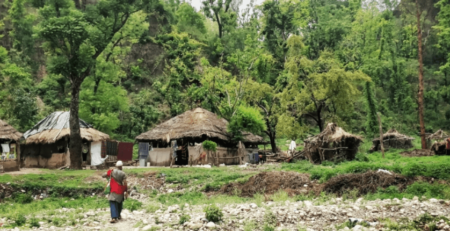
A subgroup known as the Rana Tharu is of particular significance. Primarily residing in the Terai region, especially in the Udham Singh Nagar district, the Rana Tharus are an indigenous ethnic group with their own distinct identity and traditions. As of 2001, the Rana Tharu were the largest among Uttarakhand’s five scheduled tribes, with a population of over 256,000, making up 33.4% of the state’s total scheduled tribe population.
Cultural Significance
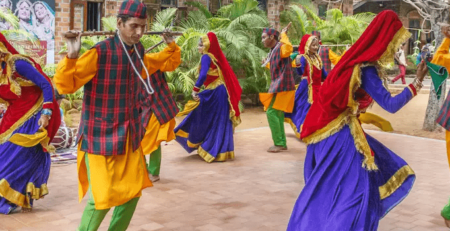
The Rana community has played a vital role in preserving and enriching Uttarakhand’s culture. They are deeply involved in maintaining traditional practices, festivals, and art forms that are central to the state’s identity. Folk music, dance, and oral storytelling are areas where the Ranas have left a lasting impact.
The Rana Tharus, in particular, have unique customs, attire, and rituals that reflect their close connection to nature and the region’s heritage. Their traditions contribute significantly to Uttarakhand’s diverse cultural tapestry.
Sub-Castes of the Rana Community
The Rana caste in Uttarakhand consists of various sub-castes, each with its unique cultural and regional significance:
- Rajput Rana: Known for their lineage as Kshatriya warriors and leaders.
- Thakur Rana: Often associated with landownership and local governance in rural areas.
- Rana Tharu: An indigenous tribe with distinct customs and traditions.
- Jat Rana: A group with agricultural roots, emphasizing farming and community development.
These sub-castes reflect the diversity within the Rana community and their varied contributions to Uttarakhand society.
Geographical Presence
While the Rana community is found across Uttarakhand, their presence is especially prominent in the Garhwal, Kumaon, and Terai regions. The Rana Tharus, as an indigenous group, are concentrated in the Terai belt, where they have adapted to a blend of modern lifestyles while retaining their traditional practices.
Contemporary Contributions
In modern Uttarakhand, members of the Rana community continue to excel in various fields, including education, politics, and the arts. They are active participants in the state’s development and play a role in preserving its traditions and values.
Efforts to highlight the contributions of indigenous groups like the Rana Tharu are gaining momentum, ensuring their cultural heritage is recognized and respected.
The Rana caste in Uttarakhand represents a rich blend of history, culture, and resilience. Whether through their ancestral roles as Rajput warriors or their unique contributions as the Rana Tharu tribe, they have left a deep imprint on the state’s heritage. Their story is a reminder of the importance of preserving and celebrating the diverse communities that make Uttarakhand a land of vibrant traditions and unity.