Rahu Temple Uttarakhand
A Unique Pilgrimage Site in Paithani
The Rahu Temple of Uttarakhand, located in the peaceful village of Paithani in Pauri Garhwal, is one of the most unique and lesser-known spiritual destinations in the Himalayas. Unlike most temples dedicated to major deities, this rare shrine is devoted to Rahu, the shadow planet of Vedic astrology. Its unusual significance, mystical atmosphere, and riverside setting make it a fascinating place for devotees, travelers, and astrology enthusiasts.
Rahu Mantras
Simple Mantra: “ॐ रां राहवे नमः” , “Om Raam Raahave Namah”
Beej Mantra: “ॐ भ्रां भ्रीं भ्रौं सः राहवे नमः”, “Om Bhraam Bhreem Bhraum Sah Raahave Namah”
Vedic Mantra:
“ॐ अर्धकायम महावीर्यं चन्द्रादित्यविमर्दनम्।
सिंहिकागर्भसंभूतं तं राहुं प्रणमाम्यहम्।”
“Om Ardha-kaayam Mahaaveeryam Chandra-aaditya-vimardanam,
Simhikaa-garbha-sambhootam Tam Raahum Pranamaamyaham.”
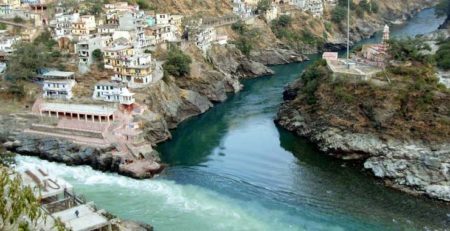
Situated at the confluence of the Seoligad and Nawalika rivers, the temple holds deep mythological importance. According to local belief, this is the very spot where Rahu performed penance to please Lord Shiva after gaining immortality during the Samudra Manthan episode. Impressed by Rahu’s devotion, Shiva blessed him with cosmic influence, giving rise to Rahu’s role in astrology and eclipses. This powerful legend makes the temple spiritually charged and culturally rich.
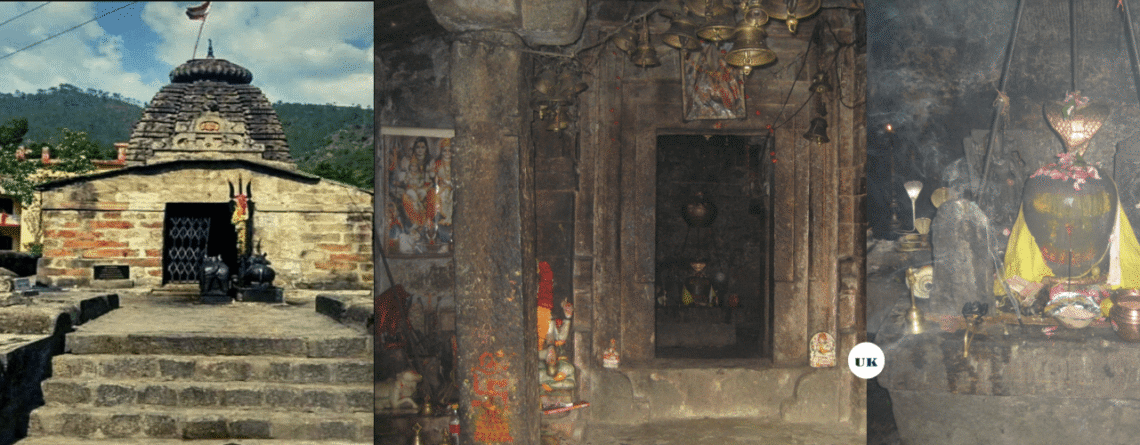
Inside the sanctum lies a Shiva Lingam along with symbolic representations of Rahu. The temple is simple in architecture but strong in energy, and its natural surroundings dense forests, terraced hills, and the sound of flowing rivers – create a serene environment ideal for meditation and reflection. Devotees visit the temple to perform Rahu Shanti Puja, seek relief from “Rahu Dosha,” and offer moong ki khichdi, a unique tradition believed to pacify Rahu’s influence.
Reaching Paithani is an experience in itself, with scenic roads leading from Pauri through charming Garhwali landscapes. The region remains relatively untouched, offering a peaceful escape from crowded pilgrimage circuits.
The Mythical Story of Rahu and Ketu
During the churning of the ocean (Samudra Manthan), when the gods and demons obtained the nectar of immortality, both sides were eager to become immortal. The gods feared that if the demons also attained immortality, it would disturb the balance of the world. To prevent this, Lord Vishnu assumed the enchanting form of Mohini to distribute the nectar only among the gods. A highly intelligent demon named Swarbhanu understood the plan and disguised himself as a god. He quietly sat between the Sun (Surya) and the Moon (Chandra) to receive the nectar. As soon as Mohini poured the nectar into his vessel, Surya and Chandra recognized him and signaled Lord Vishnu.
Lord Vishnu immediately used his Sudarshan Chakra to sever Swarbhanu’s head, but by then he had already swallowed a sip of the nectar. Due to the nectar’s power, his severed head became immortal and came to be known as Rahu, while his headless body also became immortal and was called Ketu. From that moment, Rahu and Ketu developed enmity toward the Sun and Moon. According to mythology, Rahu occasionally tries to “swallow” the Sun or Moon to take revenge, resulting in solar and lunar eclipses. But because Rahu is only a head, he cannot hold them permanently, and the eclipse ends after some time.
In Vedic astrology, Rahu and Ketu are not physical planets but shadow planets, representing the two lunar nodes. Rahu symbolizes ambition, illusion, sudden changes, worldly desires, and confusion, while Ketu represents knowledge, detachment, spirituality, past-life karma, and liberation. Their story serves as a symbolic reminder of the consequences of deceit, the power of destiny and karma, and the transformative journey from desire to self-realization. It teaches that balance between ambition and wisdom is essential for growth, and that even negative experiences can lead to spiritual awakening.
A Temple Unlike Any Other
The Rahu Temple of Paithani is unique because shrines dedicated solely to Rahu are extremely uncommon across India, especially in the Himalayan region. While Rahu is widely feared as a malefic planet, here he is revered and worshipped with great devotion.
The temple houses both a Shiva Lingam and sacred symbols of Rahu, signifying a rare pairing of cosmic energies Shiva, the transformer, and Rahu, the celestial force of karma, illusion, and transformation. Together, they represent profound spiritual evolution.
The temple’s hill-flanked location contributes to its uniqueness. Unlike popular Garhwali temples bustling with pilgrims, this shrine remains peaceful, allowing visitors to truly sit, meditate, and absorb its subtle spiritual vibrations.
Mythological Significance
The temple’s mythological foundation stems from the Samudra Manthan episode, where Rahu disguised as a god attempted to drink the nectar of immortality. When Vishnu severed his head, the immortalized head became Rahu, destined to influence planetary energies and human life.
Local belief says Rahu wandered through the universe, tormented and restless, until he reached Paithani. Here, he performed severe penance to Lord Shiva at the confluence of the Seoligad and Nawalika rivers. Pleased with his devotion, Shiva granted Rahu cosmic significance and blessed the land with spiritual potency.
This myth gives Paithani its sacred identity believed to be the very ground where Rahu’s transformation took place. Many also believe that performing prayers here aligns one’s life with positive astral vibrations, reducing the impact of Rahu Dosha.
Unique Rituals and Traditions
One of the most interesting traditions at the Rahu Temple is the offering of moong ki khichdi. According to astrological belief, green moong helps pacify Rahu’s energy, symbolizing simplicity, surrender, and purification.
Additional rituals and practices include:
- Rahu Graha Shanti Puja: Special ceremonies meant for individuals facing challenges related to Rahu’s position in their horoscope.
- Nadi Snan: Devotees bathe at the river confluence before offering prayers, as the merging rivers are believed to cleanse negative influences.
- Deep Dan: Offering of oil lamps during evening aarti to illuminate the spiritual path and reduce inner turmoil.
- Astrological Consultation: Local priests often guide devotees on remedies and practices aligned with Vedic astrology.
The atmosphere during these rituals—with the sound of flowing rivers, temple bells, and chants—adds to the transformative experience.
Architecture & Setting
Though architecturally modest, the Rahu Temple carries immense symbolic power. Built in traditional Garhwali stone-and-wood style, its structure blends seamlessly with the surrounding hills, forests, and village ambience.
Architectural elements include:
- Stone sanctum with a Shiva Lingam and symbolic idol of Rahu.
- Carved wooden entrance frames, common in Garhwali temple craftsmanship.
- River-facing courtyard where devotees sit for meditation and rituals.
- Small shrines of local deities, showcasing the region’s syncretic religious culture.
- Terraced pathways leading through pine and oak forests toward the temple.
Sunrise and sunset bring magical light over the confluence, making it a photographer’s delight and a spiritually soothing visual experience.
Accessibility & Travel Tips
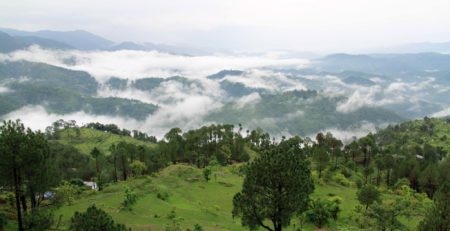
Reaching the Rahu Temple is an enriching journey in itself. The drive from Pauri winds through forests, remote hamlets, terraced farms, and scenic river valleys.
How to Reach:
- From Pauri: 46 km by road (approx. 1.5–2 hours).
- From Kotdwar: 150 km (5–6 hours), passing through picturesque Garhwali countryside.
- Local taxis and buses connect major towns to Thalisain and Paithani.
Best Time to Visit:
- October to June: Pleasant weather, clear views, smooth travel.
- Monsoon: Avoid due to landslip-prone routes.
Travel Tips:
- Carry light woollens even in summer; evenings can be cool.
- If you plan rituals, inform local priests beforehand.
- Combine your visit with nearby attractions like Thalisain forests, Khirsu, and Pauri town viewpoints.
Why Rahu Temple Matters
The Rahu Temple is more than a pilgrimage site – it is a living heritage of Uttarakhand’s spiritual diversity. It reminds visitors that devotion in the hills is not limited to well-known deities; it embraces cosmic forces, ancestral beliefs, and the unseen energies that shape life.
In a world where people often seek solace from confusion, obstacles, or emotional turbulence, the Rahu Temple offers a rare path: transformation through introspection, surrender, and cosmic alignment.
For offbeat travellers, astrology followers, nature enthusiasts, and seekers of inner peace, Paithani’s Rahu Temple is a treasure waiting to be discovered.
Frequently Asked Questions (FAQs)
Where is the Rahu Temple located in Uttarakhand?
The Rahu Temple is located in Paithani, a peaceful village in the Thalisain block of Pauri Garhwal, Uttarakhand. The temple is set near the confluence of the Seoligad and Nawalika rivers, surrounded by pine forests, terraced fields, and Himalayan foothills. Its remote location adds to the temple’s spiritual calmness and offbeat charm.
Why is the Rahu Temple considered unique?
This temple is one of the very few Rahu-dedicated shrines in North India, making it spiritually and culturally significant. While most temples worship the Navagraha in group form, Paithani’s Rahu Temple uniquely honors Rahu as a central deity, worshipped alongside Lord Shiva. The blend of Graha worship and Shaivism makes this temple rare and powerful.
What is the mythological background of Paithani’s Rahu Temple?
Mythology states that after becoming immortal during the Samudra Manthan, Rahu wandered in distress due to his half-bodied form. He reached Paithani and performed intense tapasya (penance) to seek the blessings of Lord Shiva. Pleased by his devotion, Shiva granted Rahu immense cosmic power and a permanent place in astrology. This is believed to be the sacred spot where his penance took place.
What rituals and offerings are performed at the Rahu Temple?
Devotees perform Rahu Shanti Puja, Navagraha Pujan, and special homas to reduce the negative effects of Rahu in their birth chart. The temple has a unique tradition of offering moong ki khichdi, which is said to pacify Rahu’s energy. Many visitors also meditate near the river confluence, believing that the merging waters cleanse karmic influences.
Does the temple have a Shiva Lingam?
Yes. The temple houses a sacred Shiva Lingam, symbolizing Lord Shiva’s presence. Devotees first offer prayers to Shiva and then to Rahu, following the belief that Shiva grants Rahu permission to bless his devotees. This dual worship adds depth to the temple’s spiritual practices.
What is the best time to visit the Rahu Temple?
The best time to visit is between October and June, when the weather is clear and pleasant. Winter months offer crisp mountain air and clean river views. Monsoon season should be avoided because this region is prone to landslides, slippery paths, and sudden rain showers.
How do I reach the Rahu Temple in Paithani?
The temple is accessible from Pauri, which is approximately 46 km away. Travelers can take local taxis, buses, or drive through scenic routes that pass through forests, hill hamlets, and agricultural fields. From Kotdwar, Paithani is around 150 km away. The final approach includes a short walk through the peaceful village surroundings.
Is the Rahu Temple usually crowded?
No, the temple remains mostly peaceful. Unlike popular hill temples, the Rahu Temple attracts a moderate number of devotees. This quiet atmosphere makes it ideal for meditation, spiritual healing, and introspection.
What offerings should devotees bring for Rahu?
The most common offerings include moong dal, black sesame seeds, coconut, mustard oil, and moong ki khichdi. These items are believed to calm Rahu’s influence and bring clarity, protection, and emotional stability.
Who can benefit from visiting the Rahu Temple?
Anyone experiencing challenges attributed to Rahu Dosha, facing sudden life changes, emotional turmoil, or seeking mental peace can benefit from visiting. Astrology followers, Shiva devotees, spiritual travelers, and those interested in rare Himalayan temples often find deep connection here. Even non-religious visitors enjoy the temple for its scenic beauty and cultural uniqueness.
The Rahu Temple of Uttarakhand stands as a rare blend of mythology, spirituality, and natural beauty. Far from the crowded pilgrimage routes, this sacred site in Paithani offers a peaceful space where devotees can connect with cosmic energies and seek inner balance. Its deep roots in the Samudra Manthan legend, unique rituals, and serene riverside surroundings make it one of the most fascinating spiritual destinations in the Himalayas. Whether one visits for astrological remedies, devotion to Lord Shiva and Rahu, or simply to experience the tranquil Garhwali landscape, the Rahu Temple leaves a lasting impression of mystery, faith, and divine presence. It remains a hidden gem of Uttarakhand – a place where nature, mythology, and belief come together in perfect harmony.