Makar Sankranti (Kale Kauva or Ghughutia)
Makar Sankranti, one of the most significant festivals in India, celebrates the transition of the Sun from the zodiac sign Sagittarius to Capricorn. Occurring annually on January 14th (or 15th during a leap year), this Hindu festival marks a time of renewal, growth, and gratitude. The day is celebrated with grand fervor across India and is known by various regional names such as Pongal in Tamil Nadu, Bihu in Assam, and Sankranti in Andhra Pradesh. However, in the beautiful state of Uttarakhand, this festival is particularly special as it brings together families, communities, and the agricultural community to celebrate a prosperous harvest season.
Significance of Makar Sankranti
Makar Sankranti holds immense spiritual, religious, and cultural importance in the Hindu calendar. It marks the end of the winter solstice, when the Sun begins its journey northwards, known as Uttarayana. For Hindus, this transition is believed to be a time when the Sun’s rays become more auspicious, and they begin their journey of enlightenment. Makar Sankranti also signifies the end of the darker days of winter and the beginning of longer, brighter days.
In Hindu mythology, Makar Sankranti is dedicated to Surya, the Sun God, who is revered for providing life, warmth, and energy. It is also believed that during this time, Surya visits his son Shani (Saturn), who rules over the Capricorn zodiac sign. This momentous occasion is celebrated with various rituals, prayers, and offerings to Surya, thanking him for his grace and seeking blessings for health, prosperity, and success in the coming year.
The festival also marks the beginning of the harvest season in India. In the agricultural calendar, Makar Sankranti is celebrated as the start of the Rabi crop harvest. This makes the festival particularly important for farmers, as they offer prayers for a bountiful harvest, which they will reap in the coming months.
Makar Sankranti in Uttarakhand
Uttarakhand, known for its scenic beauty, rich culture, and deep-rooted traditions, celebrates Makar Sankranti with enthusiasm and devotion. The festival is popularly known as “Uttarayani” in the state, signifying the northward journey of the Sun. It is a day of thanksgiving, prayer, and celebration, especially for the farming community in the state.
In Uttarakhand, the significance of Makar Sankranti goes beyond just rituals and prayers. It is a time for families to gather, share meals, and rejoice in each other’s company. The festive spirit is reflected in the lively activities such as flying kites, cooking traditional dishes, and visiting religious places. In rural areas, the atmosphere becomes vibrant with community celebrations, where locals come together to observe various customs and traditions.
Traditional Rituals and Celebrations
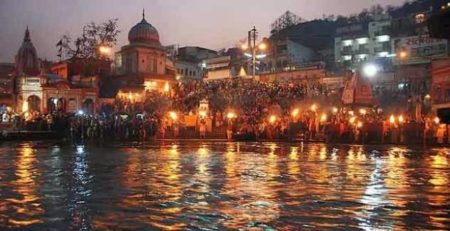
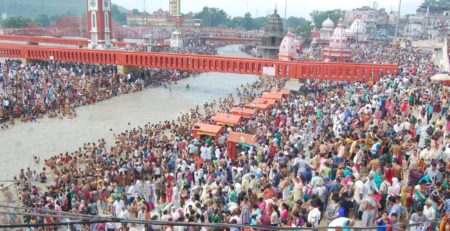
Makar Sankranti in Uttarakhand is celebrated with a mixture of religious rituals, social gatherings, and feasts. The day begins with an early morning ritual of taking a holy dip in rivers, particularly in the Ganga River, which is believed to cleanse the soul and absolve one’s sins. Many people from Uttarakhand, especially those living near the river banks, make their way to Haridwar or Rishikesh for this sacred bath. Devotees gather along the riverbanks, offering prayers to Surya and seeking his blessings for a prosperous year ahead.
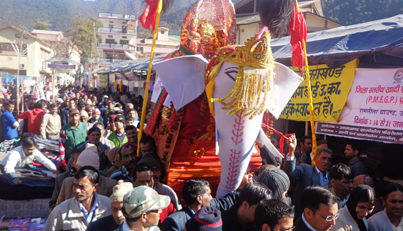
The day is also marked by vibrant fairs and melas (festivals) held across the state. People dress in new clothes, and the air is filled with the aroma of traditional sweets and dishes. Among the most popular treats prepared for Makar Sankranti in Uttarakhand are “Til Ke Ladoo” (sesame seed and jaggery sweets) and “Gulgula” (sweet fritters). These sweets, made from sesame seeds, jaggery, and other ingredients, hold special significance. Sesame seeds symbolize strength and resilience, while jaggery signifies prosperity and sweetness in life. Sharing these sweets with friends and family symbolizes togetherness and goodwill.
In addition to sweets, the preparation of traditional food items such as “Aloo Paratha,” “Gajar Ka Halwa,” and “Churma” adds to the festive cheer. These dishes are served with love and warmth to family members and neighbors, making it a day of communal sharing and bonding.
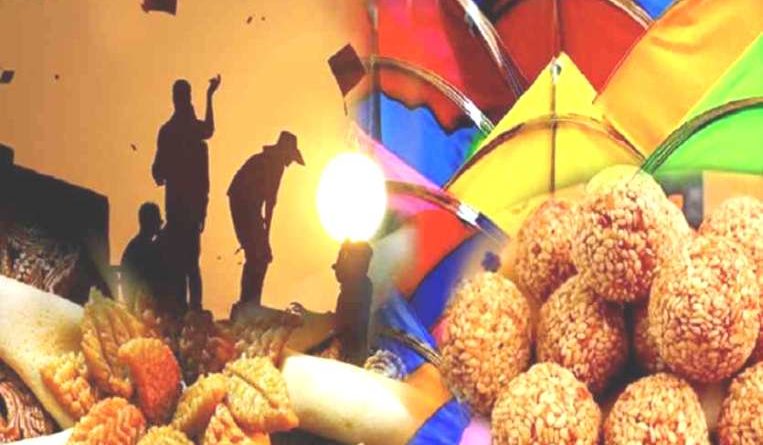
One of the most exciting aspects of Makar Sankranti celebrations in Uttarakhand is the tradition of flying kites. On this day, people, especially in urban areas like Dehradun and Nainital, take to the rooftops with their kites in hand. Kite flying is a competitive sport on Makar Sankranti, and it is common to see people trying to cut each other’s kites in mid-air with their own, creating a fun and festive atmosphere. The sky is filled with colorful kites of all shapes and sizes, and the whole state seems to come alive with this playful activity.
Bonfires are also an important part of the Makar Sankranti celebrations in Uttarakhand. As evening falls, families light bonfires, around which they gather with friends and relatives. The bonfire symbolizes the burning away of negativity and bad energies, allowing for renewal and purification. People sit around the fire, sing folk songs, tell stories, and enjoy the warmth and camaraderie of the gathering.
Makar Sankranti and the Agricultural Community
Uttarakhand’s economy is predominantly agrarian, and Makar Sankranti holds great significance for the farmers in the state. The festival marks the culmination of the sowing season, and for the farming community, it is a time to give thanks for the efforts and hard work put into the fields. The harvest season is yet to begin, but the festival is seen as a symbol of hope for a bountiful crop.
The rural population in Uttarakhand celebrates Makar Sankranti by performing rituals to honor their cattle, which play a crucial role in the farming process. It is customary to wash and decorate the cattle with garlands and apply colors to their horns. The animals are then fed special food, and farmers express their gratitude for their assistance in tilling the fields. This ritual highlights the deep connection between humans and nature, and the respect the farming community holds for the animals that aid them in their work.
The festival also serves as an opportunity for the people of Uttarakhand to strengthen bonds with family, neighbors, and friends. It is a time to set aside differences and come together in celebration of the harvest, the Sun’s blessing, and the changing of seasons. In many ways, Makar Sankranti symbolizes the unity of nature, human effort, and divine grace.
Makar Sankranti and the Cultural Diversity of Uttarakhand
Uttarakhand is home to a diverse population, with people from various regions, languages, and cultures living harmoniously. This diversity is reflected in the way Makar Sankranti is celebrated. While the core rituals remain the same, there are slight variations in customs across different districts of the state.
In the Kumaon region, the festival is celebrated with greater emphasis on the agricultural community, where people express their gratitude for a good harvest and pray for the crops to yield a good result. The folk dances and music performances are an integral part of the celebrations, with the “Chholiya” dance being particularly popular. The dance is performed with traditional instruments, and it adds a lively, festive atmosphere to the occasion.
In the Garhwal region, people focus more on the religious aspects of the festival, with many visiting temples dedicated to Surya and other deities. The rituals and prayers are offered with deep devotion, as people believe that worshipping Surya on this day brings blessings for good health, prosperity, and the well-being of loved ones.
Kale Kauva or Ghughutia
Makar Sankranti in Uttarakhand is celebrated with many unique traditions, but one of the most distinctive and cherished customs is Kale Kauva, also known as Ghughutia. This tradition is especially popular among children and is deeply rooted in the folklore and culture of the region. It revolves around making sweet offerings to birds, symbolizing harmony with nature and the belief in giving back to the environment.
The Story Behind Kale Kauva
The name Kale Kauva translates to “Black Crow,” highlighting the central role of crows in this tradition. According to folklore, crows are considered messengers of ancestors and divine beings. Feeding them during Makar Sankranti is believed to bring blessings, prosperity, and good luck to households. This ritual represents the Uttarakhandi people’s respect for nature and their harmonious coexistence with wildlife.
Ghughutia is also a time to invite migratory birds, particularly crows, to partake in the celebrations. As the festival occurs during winter, the offering of food is seen as an act of kindness toward the birds, who might struggle to find sustenance during this season.
Preparation of Ghughute
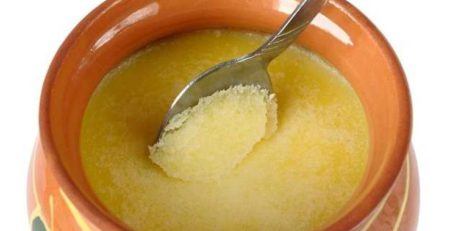
The heart of this tradition lies in the preparation of Ghughute, a sweet dish made from wheat flour, jaggery, and ghee. The dough is shaped into various small designs such as rings, necklaces, and animal figures like birds and fish. These shapes are then deep-fried until golden brown and strung together to form edible garlands.
Children wear these garlands around their necks and eagerly wait for the morning of Makar Sankranti to begin their joyous ritual.
The Ritual: Feeding the Birds
On the day of Makar Sankranti, children step outside, wearing their Ghughute garlands, and sing the traditional Kale Kauva song to attract birds. The song goes:
“Kale kauva kale,
Ghughuti mala khale,
Le sun ghughuti,
Maa ki roti,
Chaura ki dal,
Kale kauva kha le saal.”
This translates to an invitation for the black crow to come and enjoy the sweet treats, symbolizing a bond between humans and nature. As the children sing, they joyfully offer pieces of Ghughute to the birds. The sight of birds flocking to partake in the treats fills the air with excitement and warmth.
Symbolism and Cultural Significance
Kale Kauva is not just a festival ritual; it is a reflection of Uttarakhand’s cultural ethos, which emphasizes living in harmony with nature. By feeding the crows and other birds, people express gratitude for the role these creatures play in the ecosystem.
For children, this tradition is an introduction to the values of sharing, caring for wildlife, and cherishing Uttarakhand’s cultural heritage. It is also a time of fun, as the act of wearing edible garlands, singing songs, and feeding birds becomes a source of joy and bonding with family members.
Regional Variations
While the core idea remains the same, the way Kale Kauva is celebrated may vary slightly across Uttarakhand’s regions. In the Kumaon region, more elaborate designs for the Ghughute are made, while in the Garhwal region, the focus may be more on the rituals and prayers accompanying the tradition.
Makar Sankranti or Ghugutia is one of the famous Hindu festivals and is celebrated with lot of zeal in Uttarakhand. According to the Hindu scriptures, on this day, the sun enters the zodiac sign of Capricorn from the zodiac sign of Cancer. This day marks the northward transit (Uttarayan) of the sun. The migratory birds also return to the hills, since a change in season takes place.So, another name of this festival is “Uttarayani”.
On Makar Sankranti people give Khichdi in charity and take a dip in holy rivers in Kumaun Bageshwar (Saryu and Gomti Sangam) and Ranibagh (Gaula). They also participate in the Uttarayani fairs to celebrate the festival of Ghughutia(also known as Kale Kauva).
During the festival people make sweetmeats out of wheat flour that is deep fried in ghee and shaped like drums, pomegranates, knives, swords etc. They are strung into a necklace and are worn by children on the morning of Ghughutia. They also sing to attract crows and other birds. Portions of these edible necklaces are offered in order to welcome the migratory birds back after their winter sojourn in the plains.
It is a harvest festival that falls on the Magh month of the Nepali calendar (Hindu Solar Calendar). Ever wondered why we fly kites on Makar Sankranti? Sadhguru looks at the significance of Makar Sankranti. … Sadhguru: Makar Sankranti is celebrated as a very important festival in India. On Makar Sankranti, the sun enters the sun-sign of Capricorn or Makara (the Indian rashi). Therefore the ‘Makar’ in the name. The word ‘Sankranti’ signifies the movement of the sun from one zodiac sign to another. Thus, the name of the festival literally means the movement of the sun into Capricorn.
In this day kids go outside and call to the crows in invitation to return to the land:
In Kumaoni language:
kaale kauva kaale ghughuti maala khaale
le kauva bada maken de suno ghada
le kauva dhaal maken de suno thaal
In English:
Black, black crow, eat this ghughut necklace
Black crow eat lagad and badaa, give me a gold pitcher
Crow, take away the shield, give me a gold plate.
FAQs about Makar Sankranti & Kale Kauva or Ghughutia
What is Makar Sankranti?
Makar Sankranti is a major Hindu festival that marks the transition of the Sun from the zodiac sign of Sagittarius (Dhanu) to Capricorn (Makara). It is observed with enthusiasm across India and is celebrated as a harvest festival dedicated to the Sun god, Surya.
When is Makar Sankranti celebrated?
Makar Sankranti is usually celebrated on January 14th every year, but in leap years, it falls on January 15th.
Why is Makar Sankranti celebrated?
Makar Sankranti marks the beginning of the Sun’s northward journey (Uttarayana), which is considered a time of spiritual growth and enlightenment. It is also a time to give thanks for the harvest and to pray for prosperity.
What are some of the regional names for Makar Sankranti?
Makar Sankranti is known by different names in various regions of India:
- Pongal in Tamil Nadu
- Maghi in Punjab
- Magh Bihu in Assam
- Uttarayana in Gujarat
- Makara Sankranti in Maharashtra, Karnataka, and Odisha
- Khichdi Sankranti in Uttar Pradesh and Bihar
- Sankranti in Andhra Pradesh and Telangana
What is the significance of kite flying during Makar Sankranti?
Kite flying is a popular tradition during Makar Sankranti, especially in Gujarat. It is believed to symbolize the desire to reach new heights and to celebrate the arrival of the harvest season. The flying kites also represent the energy and warmth of the Sun.
What are the traditional foods associated with Makar Sankranti?
Makar Sankranti is known for its sweets made from sesame seeds and jaggery, such as tilgul in Maharashtra, til laddoo, and other local specialties. These sweets are believed to bring happiness, harmony, and warmth during the cold winter months.
Why do people take holy dips during Makar Sankranti?
It is customary to take a holy dip in sacred rivers such as the Ganga, Yamuna, Godavari, or Kaveri during Makar Sankranti. It is believed that bathing in these waters purifies the body and soul, absolves past sins, and brings spiritual merit.
What is the role of Surya (Sun god) during Makar Sankranti?
Surya, the Sun god, is worshipped during Makar Sankranti. It is believed that during this time, the Sun begins its northward journey (Uttarayana), which is considered auspicious. Prayers and offerings are made to Surya for good health, prosperity, and success in life.
What rituals are performed on Makar Sankranti?
Rituals vary regionally but commonly include prayers to Surya, offering sesame seeds and jaggery to friends and family, and making traditional sweets. People also prepare bonfires to celebrate the warmth and energy of the Sun. In some regions, special rituals are performed to honor cattle and agricultural tools.
Is Makar Sankranti a public holiday in India?
Makar Sankranti is a public holiday in many states of India, including Maharashtra, Gujarat, Tamil Nadu, and Punjab. However, it is not a nationwide public holiday, and the day off depends on the region.
What is the importance of Makar Sankranti in the agricultural cycle?
Makar Sankranti marks the end of the winter solstice and the beginning of the harvest season. It is an important time for farmers as the Rabi crop, particularly wheat, has been sowed, and the hard work in the fields is coming to fruition. The festival celebrates the successful harvest and the promise of prosperity.
Are there any special events or festivals associated with Makar Sankranti?
Yes, Makar Sankranti is associated with various events and festivals:
- Kumbh Mela: Every 12 years, the Kumbh Mela is held at the confluence of the Ganga, Yamuna, and Sarasvati rivers in Prayagraj. Millions of people gather to take a holy dip during Makar Sankranti.
- Magh Mela: A major religious fair held in Prayagraj (Allahabad) during the month of Magh, coinciding with Makar Sankranti.
- Pongal in Tamil Nadu: A four-day harvest festival that includes rituals for family, cattle, and the Sun god.
- Makar Sankranti Fairs: Many states host fairs where people gather to celebrate with traditional music, dance, and local handicrafts.
What is the spiritual significance of Makar Sankranti?
Makar Sankranti is spiritually significant because it marks the Sun’s transition into the northern hemisphere (Uttarayana), which is considered a time of enlightenment and spiritual progress. The festival encourages people to perform acts of charity, seek forgiveness, and express gratitude for the harvest and blessings.
What are the traditional gifts given during Makar Sankranti?
It is customary to exchange sweets made from sesame and jaggery, such as tilgul or til laddoo, with family and friends. These sweets symbolize goodwill and the desire for harmony and peace. People also give gifts such as new clothes and agricultural produce to their loved ones.
How do people celebrate Makar Sankranti in different states?
- In Gujarat, people celebrate Makar Sankranti by flying kites, having bonfires, and preparing traditional foods like undhiyu and tilgul.
- In Tamil Nadu, it is celebrated as Pongal, with prayers to the Sun god, offering of rice and sugarcane, and family gatherings.
- In Maharashtra, Makar Sankranti is celebrated by exchanging tilgul, participating in fairs, and enjoying special sweets like tilgul laddoos.
- In Punjab, it is celebrated as Maghi and is a time for honoring ancestors, with prayers at gurudwaras and sharing meals.
Is Makar Sankranti celebrated outside India?
Yes, Makar Sankranti is also celebrated in other countries, particularly in Nepal, where it is called Maghe Sankranti. It is observed in parts of Southeast Asia, such as Thailand (Songkran) and Myanmar (Thingyan), with local variations in customs and traditions.
How is Makar Sankranti linked to the zodiac?
Makar Sankranti marks the day when the Sun moves from Sagittarius (Dhanu) to Capricorn (Makara) in the Hindu zodiac. This change signifies a shift in energy, with the Sun’s transition from the southern to the northern hemisphere, which is considered a more auspicious time for new beginnings and spiritual growth.
Can Makar Sankranti be celebrated by people of all faiths?
Makar Sankranti is primarily a Hindu festival, but its agricultural and cultural significance makes it a secular celebration in many parts of India. People from different communities often join in the festivities, enjoy the sweets, and participate in kite flying and other activities, regardless of religious beliefs.
What is Kale Kauva or Ghughutia?
Kale Kauva, also known as Ghughutia, is a unique Makar Sankranti tradition celebrated in Uttarakhand. It involves preparing sweet garlands called Ghughute and offering them to birds, especially crows, as a gesture of harmony with nature and gratitude.
Why is it called Kale Kauva?
The name “Kale Kauva” translates to “Black Crow.” Crows are considered significant in Uttarakhand’s folklore, symbolizing messengers of ancestors and divine beings. Feeding them during Makar Sankranti is believed to bring blessings and prosperity.
What are Ghughute?
Ghughute are sweet treats made from wheat flour, jaggery, and ghee. The dough is shaped into rings, necklaces, and other figures, then deep-fried and strung into garlands. These are worn by children during the ritual.
How is Kale Kauva celebrated?
On Makar Sankranti, children wear Ghughute garlands and sing the traditional Kale Kauva song to attract birds. They offer the treats to crows and other birds, inviting them to partake in the celebration.
What is the Kale Kauva song?
The traditional song goes:
“Kale kauva kale,
Ghughuti mala khale,
Le sun ghughuti,
Maa ki roti,
Chaura ki dal,
Kale kauva kha le saal.”
It is an invitation for the black crow to come and enjoy the treats.
Why do people feed birds during this festival?
Feeding birds symbolizes harmony with nature, gratitude, and the Uttarakhandi people’s respect for wildlife. It is also believed that feeding crows during Makar Sankranti brings blessings and good luck to households.
Is Kale Kauva specific to Uttarakhand?
Yes, Kale Kauva or Ghughutia is a tradition unique to Uttarakhand and reflects the region’s rich cultural heritage and close connection to nature.
What values does Kale Kauva teach children?
Kale Kauva teaches children the importance of sharing, caring for wildlife, and valuing cultural traditions. It fosters a sense of responsibility toward nature and respect for Uttarakhand’s heritage.
Are there regional variations in how Kale Kauva is celebrated?
Yes, there are slight regional variations. In the Kumaon region, more intricate designs for Ghughute are made, while in Garhwal, the focus is often on the accompanying rituals and prayers.
Is Kale Kauva celebrated only by children?
While children play a central role in this tradition, families participate by preparing Ghughute, organizing the rituals, and sharing the joy of the festival.
What is the connection between Kale Kauva and Makar Sankranti?
Makar Sankranti marks the transition of the sun into the zodiac sign Capricorn. Kale Kauva is a special way Uttarakhand celebrates this festival, integrating cultural values with the change of seasons.
Can tourists experience Kale Kauva?
Tourists visiting Uttarakhand during Makar Sankranti can witness this unique tradition, participate in preparing Ghughute, and experience the joy of this beautiful cultural celebration.
How does Kale Kauva highlight Uttarakhand’s respect for nature?
By feeding birds during winter and treating them as part of the celebration, Kale Kauva exemplifies the Uttarakhandi people’s gratitude and respect for nature, showcasing their harmonious coexistence with the environment.
Is Kale Kauva celebrated in urban areas of Uttarakhand?
While the tradition is more common in rural areas, many families in urban parts of Uttarakhand continue to celebrate Kale Kauva to keep the tradition alive for the next generation.
What is the spiritual significance of feeding crows?
Crows are seen as messengers of ancestors and divine beings. Feeding them during Kale Kauva is believed to invite blessings and ensure harmony in the household.
Makar Sankranti, also known as Kale Kauva or Ghughutia in certain regions, is not just a festival but a vibrant celebration of life, harvest, and spirituality. Its significance lies in the transition of the Sun into the zodiac sign of Capricorn, symbolizing the triumph of light over darkness and the beginning of a new season. Across various states in India, this festival is celebrated with unique customs and rituals, from flying kites in Gujarat to offering special foods like tilgul in Maharashtra. In Uttarakhand and other northern regions, Kale Kauva or Ghughutia holds particular cultural importance, where the preparation and sharing of special sweets and offerings to crows (a symbol of the departed souls) carry deep-rooted spiritual meanings. The festival emphasizes values such as unity, gratitude for the harvest, and spiritual renewal, bringing together families and communities for joyous celebrations.
Makar Sankranti’s distinct charm lies in its universal appeal. it is a festival that transcends barriers of religion and region, connecting people through shared traditions, rituals, and the joy of togetherness. Whether it’s the warmth of the Sun, the sound of kites soaring in the sky, or the sweetness of sesame and jaggery, Makar Sankranti brings forth a spirit of optimism and new beginnings. It is a reminder to embrace the light, honor our roots, and celebrate the richness of life and nature.