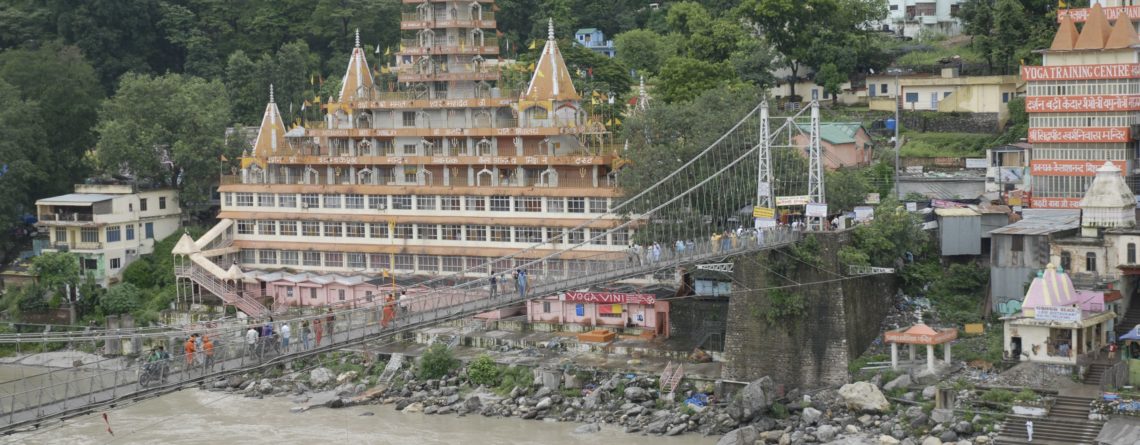
Lakshman Jhula
Lakshman Jhula is a historic suspension bridge in Rishikesh, Uttarakhand, spanning the Ganga River. Built in 1929, it holds mythological significance as the site where Lakshman crossed the river. A popular pilgrimage and tourist spot, it connects temples, ashrams, and adventure hubs, offering breathtaking views of the sacred river.
Lakshman Jhula is one of the most famous suspension bridges in India, located in Rishikesh, Uttarakhand, spanning the Ganga River. It is a spiritual, historical, and architectural marvel that attracts pilgrims, adventure seekers, and tourists from across the world. Built in 1929, this bridge has been a crucial link between the Tapovan and Jonk areas of Rishikesh, serving as a pathway for saints, devotees, and travelers for nearly a century.
Mythological Significance
Lakshman Jhula is deeply rooted in Hindu mythology. It is believed that Lakshman, the younger brother of Lord Rama, crossed the Ganga River at this very spot using a jute rope bridge during his exile. This mythological connection makes it a sacred site for devotees, and the bridge is often visited by pilgrims on their way to the Himalayas.
The bridge is named after Lakshman, and several temples nearby, such as the Lakshman Temple and Raghunath Temple, reinforce its religious importance.
History and Construction
The original bridge, made of jute ropes, was washed away by floods in the 19th century. In 1889, the British constructed a wooden bridge at the same site. However, due to damage over time, it was replaced by the iron suspension bridge in 1929, which stood strong for nearly 90 years.
Some key features of its construction include:
- Total Length: 450 feet (137 meters)
- Height Above River: 70 feet (21 meters)
- Material: Iron and steel cables
- Supported by: Strong pillars on both ends
- Capacity: Originally designed for pedestrian use, but later used by motorbikes and bicycles
Despite being a pedestrian bridge, the increasing traffic and vibrations led to structural concerns, prompting the authorities to restrict its use.
Tourist and Pilgrimage Importance
Lakshman Jhula is not just a bridge but a gateway to spiritual and adventure tourism. It connects important religious and tourist destinations in Rishikesh, making it a must-visit spot for devotees, yogis, and nature lovers.
Nearby Attractions:
- Tera Manzil Temple (Trimbakeshwar Temple): A 13-story temple dedicated to Lord Shiva, offering stunning views of the Ganga.
- Ram Jhula: Another suspension bridge located 2 km downstream, named after Lord Rama.
- Swarg Ashram: A peaceful area filled with ashrams, meditation centers, and yoga retreats.
- Neelkanth Mahadev Temple: A famous temple dedicated to Lord Shiva, located 32 km from Rishikesh.
- Parmarth Niketan: One of the largest ashrams in Rishikesh, hosting the famous Ganga Aarti every evening.
Besides its religious importance, Lakshman Jhula is a hub for adventure sports like river rafting, trekking, and bungee jumping, making it a hotspot for adventure lovers.
Closure and Construction of a New Bridge
Due to its aging structure and the growing number of visitors, Lakshman Jhula was permanently closed in July 2019 after experts declared it unsafe for use. Concerns about the bridge’s stability, especially during heavy traffic, led the government to build a new, stronger suspension bridge at the same location.
The upcoming Lakshman Jhula replacement bridge aims to:
- Maintain the historical and spiritual significance of the original bridge.
- Improve safety and durability using modern engineering techniques.
- Provide better access for pilgrims and tourists.
Interesting Facts About Lakshman Jhula
- The bridge was featured in several Bollywood movies, such as Sadhana (1958) and Pyaar Ka Saagar (1961).
- It offers breathtaking views of the Ganga River, making it a favorite spot for photographers and nature lovers.
- Monkeys are frequently spotted on the bridge, often interacting with tourists.
- The bridge has witnessed thousands of pilgrims walking towards the Himalayas on their journey to Char Dham.
- Rishikesh, where the bridge is located, is known as the Yoga Capital of the World, attracting spiritual seekers from across the globe.
Lakshman Jhula is not just a bridge. it is a symbol of faith, history, and adventure. Whether visiting for its mythological significance, spiritual atmosphere, or stunning scenery, it remains one of Rishikesh’s most treasured landmarks. Even though the original bridge has been closed, its legacy lives on through the new bridge that continues to serve pilgrims and travelers alike.
Frequently Asked Questions (FAQs)
What is Lakshman Jhula, and where is it located?
Lakshman Jhula is a suspension bridge spanning the Ganga River in Rishikesh, Uttarakhand, India. It is one of the most famous landmarks in the region and holds mythological, spiritual, and historical significance.
Why is Lakshman Jhula famous?
Lakshman Jhula is famous because of its mythological association with Lakshman, the brother of Lord Rama, who is believed to have crossed the Ganga at this spot using a jute rope bridge. It is also a significant tourist attraction, offering stunning views of the river, nearby temples, and serving as a gateway to spiritual and adventure tourism in Rishikesh.
Who built Lakshman Jhula, and when was it constructed?
The British government constructed the iron suspension bridge in 1929 after an earlier wooden bridge (built in 1889) was damaged. It replaced an even older jute rope bridge believed to have existed since ancient times.
What is the length and height of Lakshman Jhula?
Lakshman Jhula is 450 feet (137 meters) long and is situated 70 feet (21 meters) above the river.
Is Lakshman Jhula still open for the public?
No, Lakshman Jhula was permanently closed in July 2019 due to structural instability caused by age and excessive use. However, a new, stronger suspension bridge is being built at the same location to replace it.
What is the difference between Lakshman Jhula and Ram Jhula?
- Lakshman Jhula is located upstream and is associated with Lakshman’s legend.
- Ram Jhula is located about 2 km downstream and is named after Lord Rama.
- Ram Jhula is slightly longer (450 feet vs. 230 meters) and connects different ashrams, including Parmarth Niketan and Swarg Ashram.
Which temples are near Lakshman Jhula?
Some famous temples near Lakshman Jhula include:
- Lakshman Temple – Dedicated to Lord Lakshman.
- Raghunath Temple – Dedicated to Lord Rama.
- Tera Manzil Temple (Trimbakeshwar Temple) – A 13-story temple with multiple deities and a panoramic view.
Why was Lakshman Jhula closed?
Structural engineers found the bridge unsafe for further use due to damages from heavy traffic, aging infrastructure, and vibrations caused by pedestrians and motorcycles.
What are the best times to visit Lakshman Jhula?
The best time to visit is October to March, when the weather is pleasant. Avoid monsoon season (July–September) due to possible flooding and strong river currents.
What can tourists do around Lakshman Jhula?
Visitors can:
- Walk across the new suspension bridge (when completed).
- Visit nearby temples and ashrams.
- Experience river rafting, bungee jumping, and trekking.
- Enjoy Ganga Aarti at Parmarth Niketan.
Is there an entry fee for Lakshman Jhula?
No, entry is free for all visitors.
What is the best way to reach Lakshman Jhula?
- By Air: The nearest airport is Jolly Grant Airport, Dehradun (22 km away).
- By Train: The nearest railway station is Rishikesh Railway Station (5 km away).
- By Road: Rishikesh is well-connected by road to Haridwar, Dehradun, and Delhi.
Can vehicles cross Lakshman Jhula?
Originally, bikes and bicycles were allowed, but heavy use led to restrictions. Before its closure, it was mainly used by pedestrians. The upcoming new bridge will have better load capacity.
What are the safety precautions for visiting Lakshman Jhula?
- Avoid leaning on the railings or standing still for too long.
- Be cautious of monkeys, as they may try to snatch food or items.
- If visiting during monsoons, check the weather conditions to avoid strong river currents.
What is the significance of the new bridge replacing Lakshman Jhula?
The new bridge will:
- Preserve the historical and cultural significance of the old bridge.
- Be safer and stronger, using modern engineering.
- Continue serving devotees, tourists, and locals.
Are there hotels and accommodations near Lakshman Jhula?
Yes, there are numerous hotels, guesthouses, and ashrams ranging from budget stays to luxury resorts in Rishikesh near Lakshman Jhula.
Why is Rishikesh called the ‘Yoga Capital of the World’?
Rishikesh is home to numerous yoga schools, ashrams, and meditation centers, attracting spiritual seekers and yoga practitioners from around the world. Events like the International Yoga Festival further establish its reputation.
Is photography allowed on Lakshman Jhula?
Yes, photography is allowed and encouraged, but be mindful of crowds and movements on the bridge while clicking pictures.
What is the cultural and religious importance of Lakshman Jhula?
Lakshman Jhula is a symbol of devotion, heritage, and adventure. It represents ancient mythology, architectural brilliance, and spiritual significance making it an integral part of Rishikesh’s identity.
Lakshman Jhula is more than just a bridge; it is a historical, spiritual, and cultural landmark of Rishikesh. Steeped in mythology, it is believed to be the very spot where Lakshman, the brother of Lord Rama, crossed the sacred Ganga using a jute rope bridge. Over the years, Lakshman Jhula has evolved into a symbol of faith, adventure, and architectural significance. Despite its closure in 2019 due to structural concerns, the bridge remains a major tourist attraction, with a new, stronger suspension bridge being built to replace it. The surrounding temples, ashrams, and scenic beauty make it a must-visit destination for pilgrims, nature lovers, and adventure enthusiasts.
Whether you seek spiritual solace, historical insights, or an adventure-filled experience, Lakshman Jhula and its surroundings continue to offer a timeless charm that captures the essence of Uttarakhand’s divine heritage.