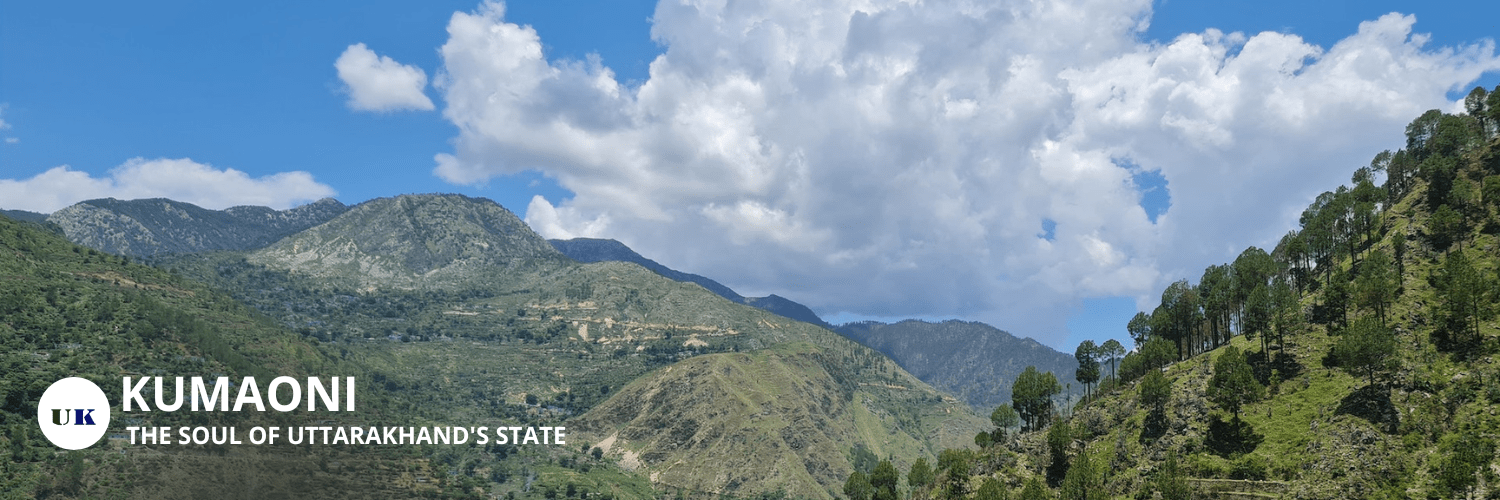
Kumaoni
A Journey Through Its History, People, Language, and Culture
Nestled in the serene Himalayas, the Kumaon region of Uttarakhand is a treasure trove of natural beauty, cultural richness, and historical significance. Known for its lush valleys, majestic peaks, and vibrant traditions, Kumaon is a place where heritage and modernity coexist harmoniously. The Kumaoni people, their language, and their unique cultural practices have shaped the region’s identity over centuries. This journey through Kumaon’s history, people, language, and culture provides insight into what makes this region so unique.
History of Kumaon
Kumaon has a long and fascinating history that spans several centuries. Its roots can be traced back to ancient times, with references in texts like the Skanda Purana and Mahabharata. The region was initially ruled by the Katyuri Dynasty, which flourished between the 7th and 11th centuries. The Katyuri kings established their capital at Baijnath, near Almora, and are credited with building numerous temples that still stand today.
Following the decline of the Katyuris, the region was ruled by several smaller dynasties until the rise of the Chand Dynasty in the 16th century. The Chands were instrumental in shaping Kumaon’s cultural and architectural landscape, moving the capital to Almora, a hill station that remains a central part of the region’s identity. Under their rule, Kumaon saw a flourishing of art, architecture, and trade. The region later became part of British India in the early 19th century after the defeat of the Gurkhas during the Anglo-Nepalese War, marking a new chapter in its history.
The People of Kumaon
The people of Kumaon, known as Kumaonis, are deeply connected to their land and traditions. Agriculture has traditionally been the mainstay of the Kumaoni people, with the terraced fields of the region producing crops such as wheat, rice, and millet. Despite modernization, many families continue to engage in farming, maintaining their connection to the earth and their ancestral practices.
The Kumaonis are known for their warmth and hospitality. They celebrate life through festivals, music, and folk dances that have been passed down through generations. Strongly community-oriented, the people often come together for local fairs and religious ceremonies, fostering a close-knit society that respects nature, spirituality, and tradition.
Kumaoni Language
The Kumaoni language is an essential part of the region’s cultural fabric. Belonging to the Indo-Aryan family of languages, Kumaoni is spoken by millions of people in Uttarakhand. It has several dialects, which vary from one part of the region to another, reflecting the geographic and cultural diversity of Kumaon. Despite the increasing influence of Hindi and English, Kumaoni continues to thrive in rural areas, where it is spoken in homes and marketplaces.
Kumaoni is a vehicle for the region’s folklore, poetry, and oral traditions. Folk songs, such as Jhora and Chanchari, as well as epic tales like Hurkiya Bol, are often performed in Kumaoni, keeping the language alive and relevant. However, the language faces challenges in terms of preservation, as younger generations increasingly turn to Hindi and English for education and work. Efforts are being made to document and preserve Kumaoni through literature, radio programs, and cultural festivals.
Kumaoni Culture
Kumaoni culture is a rich blend of traditions, spirituality, and nature worship. Festivals and fairs are central to the cultural life of Kumaonis, with celebrations like Harela, Bikhauti, and Nanda Devi Mela marking important occasions in the agricultural and religious calendar. Harela, for example, is a festival that celebrates the arrival of the monsoon and the beginning of the planting season. It symbolizes prosperity, fertility, and harmony with nature.
Religious practices in Kumaon are deeply tied to local deities and the natural environment. Temples dedicated to gods like Nanda Devi, Sunanda Devi, and Golu Devta are scattered throughout the region. Nanda Devi, in particular, is revered as the protector goddess of the region, and the Nanda Devi Raj Jat Yatra, a pilgrimage held every 12 years, is one of the most important spiritual events in Kumaoni culture.
Folk art and craft also hold an important place in Kumaoni life. The region is known for its intricate woodwork, copperware, and woolen textiles. Aipan, a traditional floor art, is used to decorate homes during festivals and important life events, symbolizing good luck and prosperity.
Kumaoni Cuisine
Kumaoni cuisine is simple yet flavorful, relying on locally grown ingredients and traditional cooking methods. The food is often prepared using fresh produce and seasoned with local herbs and spices. Some of the most popular Kumaoni dishes include:
- Aloo Ke Gutke: A spicy potato dish seasoned with red chilies and coriander.
- Bhatt Ki Churdkani: A nutritious dish made from black soybeans, cooked with spices.
- Kaapa: A spinach-based curry that is a winter staple.
- Singodi: A sweet delicacy made from khoya (thickened milk) and coconut, wrapped in a leaf.
These dishes are a reflection of the region’s agricultural abundance and the Kumaoni people’s ingenuity in creating delicious meals from simple ingredients.
Kumaoni is an Indo-Aryan language spoken by over two million people of the Kumaon region of the state of Uttarakhand in northern India and parts of Doti region in Western Nepal. As per 1961 survey there were 1,030,254 Kumaoni speakers in India. The number of speakers increased to 2.2 million in 2011.
Kumaoni Shayari
Kumaoni Shayari is the poetry spoken by the people of Kumaon Mandal of Uttarakhand.
Kumaon is a region where history, culture, and nature are intricately intertwined. The people of Kumaon have preserved their language, traditions, and values over centuries, fostering a deep sense of identity and pride. Whether it’s the ancient temples, the vibrant festivals, or the warmth of the Kumaoni people, the region offers a unique glimpse into the rich cultural heritage of Uttarakhand. By understanding the history, people, language, and culture of Kumaon, one can truly appreciate the beauty and depth of this remarkable region.