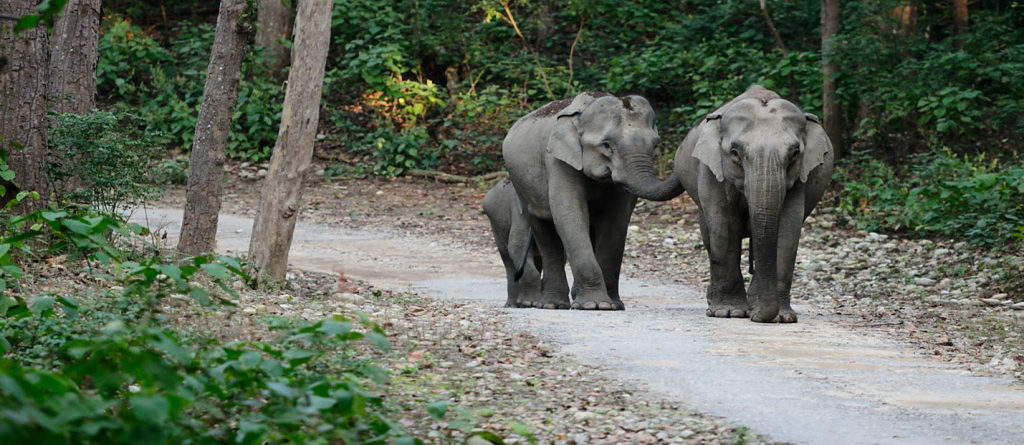
Jim Corbett National Park
Jim Corbett National Park, located in Uttarakhand, India, is one of the country’s oldest and most famous wildlife sanctuaries. Known for its rich biodiversity, including the Bengal tiger, elephants, and over 200 bird species, the park offers an unforgettable safari experience. Explore its diverse ecosystems, scenic landscapes, and the legacy of conservation left by Jim Corbett, the legendary hunter-turned-conservationist. Perfect for nature lovers and wildlife enthusiasts alike.
Jim Corbett National Park, located in the Nainital district of Uttarakhand, India, is one of the oldest and most renowned national parks in the country. Established in 1936 as Hailey National Park to protect the endangered Bengal tiger, it was later renamed after the famous British hunter and conservationist, Jim Corbett, who played a pivotal role in its establishment. The park spans across 1,283 square kilometers and is a haven for wildlife enthusiasts, nature lovers, and adventure seekers alike.
Rich Biodiversity
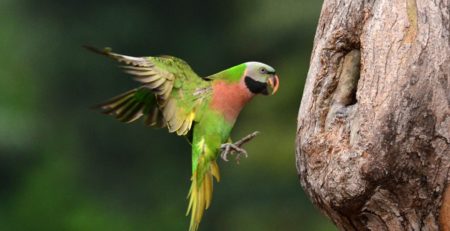
Corbett National Park is a biodiversity hotspot, home to a wide range of flora and fauna. It is best known for its tiger population, which includes the elusive Bengal tiger. The park is part of the Corbett Tiger Reserve, and it offers a sanctuary for over 200 species of birds, including the great hornbill and Indian vulture, and many other wildlife species such as the elephant, leopard, wild boar, and crocodile. The park is also home to various reptiles, amphibians, and over 400 species of plants, making it an essential part of India’s conservation efforts.
Ecosystems and Landscape
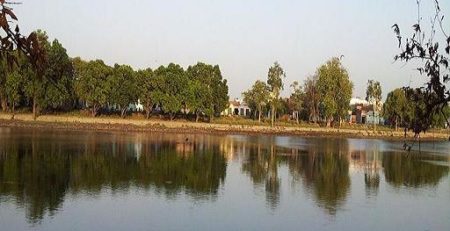
The park is a unique blend of sal forests, grasslands, rivers, and wetlands, providing diverse ecosystems that support different forms of life. The Ramganga River, which flows through the park, is a key water source for many of the animals and creates picturesque landscapes. The park’s varied terrain includes hilly areas, dense forests, and open grasslands, offering a striking contrast and diverse habitats for the wildlife.
Safari Experience
Jim Corbett offers an unforgettable safari experience for visitors, with options for jeep safaris and elephant safaris. These safaris take tourists through different zones of the park, including Dhikala, Jhirna, Bijrani, and Durgadevi. During these safaris, visitors can spot the majestic tigers, elephants, spotted deer (chital), sambar deer, wild boars, and a variety of bird species. The best time for a tiger sighting is during the early morning or late afternoon when the animals are more active.
Jim Corbett: A Conservation Legacy
Jim Corbett was a legendary figure in the history of India’s conservation movement. His efforts in capturing and hunting man-eating tigers were followed by his passionate drive to conserve the tiger population in the country. In honor of his efforts, the park was renamed Jim Corbett National Park in 1957. His work laid the foundation for modern wildlife conservation practices and helped to inspire India’s Project Tiger initiative in 1973, which aims to protect and increase the tiger population across the country.
Popular Attractions within the Park
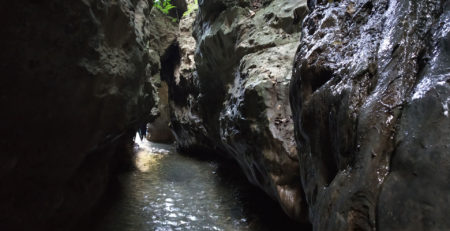
- Corbett Waterfall: A scenic waterfall located within the park, surrounded by lush greenery.
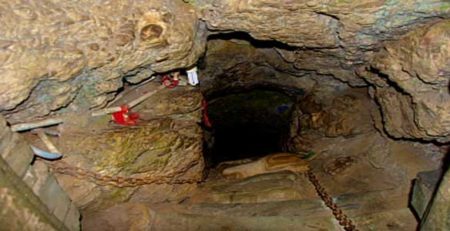
- Garjiya Devi Temple: A beautiful temple situated on a large rock formation near the Kosi River, attracting many pilgrims and visitors.
- Corbett Museum: Located in Chakderia, this museum is housed in Jim Corbett’s former residence and displays his memorabilia, books, and personal items.
- Kalagarh Dam: A man-made reservoir that offers beautiful views of the park’s wildlife and is a popular birdwatching spot.
Best Time to Visit
The best time to visit Jim Corbett National Park is between November and June, as the weather is pleasant for safaris and outdoor activities. The park remains closed during the monsoon season (July to September) to protect the wildlife and ensure visitor safety, as some areas become inaccessible due to heavy rainfall.
How to Reach Jim Corbett National Park
- By Air: The nearest airport is Pantnagar Airport, about 50 kilometers from the park. Alternatively, Indira Gandhi International Airport in Delhi is around 300 kilometers away, offering more flight options.
- By Train: The nearest railway station is Ramnagar, which is well connected to major cities like Delhi, Lucknow, and Kathgodam.
- By Road: The park is easily accessible by road from major cities in Uttarakhand and Delhi, with regular buses and private vehicles available.
Conservation Challenges
Despite its success in tiger conservation, Jim Corbett National Park faces several challenges, including human-wildlife conflict, poaching, and the pressures of tourism. The park’s management works tirelessly to address these issues, focusing on sustainable tourism, community engagement, and strengthening anti-poaching efforts.
Jim Corbett National Park stands as a symbol of India’s commitment to wildlife conservation and its rich natural heritage. With its stunning landscapes, rich biodiversity, and historical significance, the park remains one of the country’s most popular wildlife destinations. Whether you are a wildlife enthusiast, a nature lover, or simply seeking adventure, Corbett National Park offers an unforgettable experience that brings you closer to the majestic wilderness of India.