Ghee Sankranti
Celebrating Abundance and Prosperity
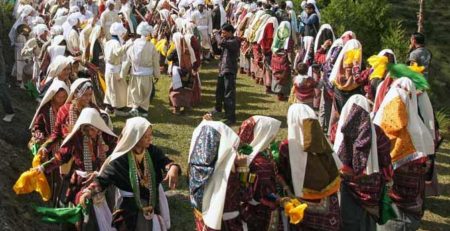
Ghee Sankranti, also known as Olgia, is a vibrant and cherished festival in Uttarakhand that celebrates the bounty of the harvest. Held on the first day of Bhado (mid-August) according to the Hindi lunar calendar, this age-old festival is marked by enthusiasm and joy. It signifies a period when crops are thriving, milk-giving animals are in good health, and trees are full of fruit.
The festival is a heartfelt expression of gratitude from the local farming community for a successful harvest and prosperity. Traditionally, agricultural tools are exchanged, and people anoint their foreheads with ghee. Special chapatties filled with ghee and urad dal (a type of lentil) are prepared as part of the celebration. Historically, sons-in-law presented gifts to their fathers-in-law, although this practice is less common today.
Olgia captures the spirit of community and the joy of abundant harvests. In the past, children-in-law and nephews would offer gifts to their fathers-in-law and maternal uncles, celebrating the festival with generosity. Today, farmers and artisans exchange gifts with landowners and buyers of their tools, receiving blessings and money in return.
On this day, gifts such as binai (oral harp), datkhocha (metallic toothpick), metal calipers, tomahawks, ghee, vegetables, and kindling are traded. People apply ghee to their foreheads and enjoy chapatis filled with urad dal. It is believed that walnuts improve after this celebration. While the festival is now celebrated less frequently, its cultural significance and the sense of community it fosters continue to be valued and cherished.
Ghee Sankranti, also known as Olgia, is a vibrant and cherished festival in Uttarakhand that embodies the spirit of gratitude and celebration for a bountiful harvest. Celebrated on the first day of Bhado (mid-August) according to the Hindi lunar calendar, this ancient festival is a testament to the region’s deep connection with agriculture and community life.
Historical Background
Ghee Sankranti has its roots deeply embedded in the agricultural traditions of Uttarakhand. Historically, it was a time for farmers to give thanks for a successful growing season and to seek blessings for continued prosperity. The festival is celebrated when crops are at their peak, and the community gathers to mark the transition from the growing season to the harvest.
The festival’s origins can be traced back to ancient practices and rituals associated with agriculture. Traditionally, it marked the end of the monsoon season and the beginning of the harvest period. It was a time to celebrate the hard work of the farmers and to offer thanks for the abundance of the land.
Significance and Celebration
Ghee Sankranti symbolizes abundance and prosperity. The celebration is rooted in the agricultural tradition and reflects the appreciation of the locals for the blessings of a fruitful year. The festival is marked by the exchange of agricultural tools and the preparation of special dishes, including chapatties filled with ghee and urad dal (a type of lentil).
During the festival, people apply ghee to their foreheads as a sign of respect and reverence. Special chapatties filled with ghee and urad dal are prepared and shared among the community. This practice not only honors the harvest but also reinforces community bonds.
Traditional Practices
Historically, Ghee Sankranti involved a ritual where sons-in-law would present gifts to their fathers-in-law. This gesture was a way to express gratitude and strengthen family ties. Although this practice has become less common today, the essence of the festival remains intact.
In the past, children-in-law and nephews would offer gifts such as binai (oral harp), datkhocha (metallic toothpick), metal calipers, tomahawks, ghee, vegetables, and kindling to their fathers-in-law and maternal uncles. This exchange of gifts was a way to celebrate the harvest and strengthen familial bonds.
Local Folklore and Cultural Stories
The festival is steeped in local folklore and cultural stories that add to its significance. One popular tale relates to the deity associated with the harvest. According to local legend, the deity blesses the fields and ensures a prosperous harvest. The festival of Ghee Sankranti is seen as a way to honor this deity and to seek continued blessings for the land.
Another story tells of the ancient practice of using ghee as an offering to the gods, symbolizing purity and abundance. It is believed that the application of ghee on the forehead during the festival signifies a connection with the divine and a request for continued prosperity.
Modern Celebrations
Today, the festival has evolved but still retains its core values. Farmers and artisans now offer gifts to landowners and buyers of their tools, receiving blessings and monetary gifts in return. The practice of gifting remains an essential part of the celebration, reflecting the spirit of generosity and appreciation.
People continue to celebrate by applying ghee to their foreheads and enjoying chapatis filled with urad dal. It is believed that walnuts improve after this celebration, adding a symbolic touch to the festivities. While the festival is now observed less frequently, its cultural significance and the sense of community it fosters are still cherished.
Ghee Sankranti, or Olgia, is more than just a festival; it is a celebration of abundance, gratitude, and community spirit. Rooted in the agricultural heritage of Uttarakhand, it highlights the region’s deep connection with the land and its seasonal rhythms. As the festival continues to evolve, it remains a cherished tradition that brings people together to honor the blessings of a bountiful harvest and to celebrate the rich tapestry of local folklore.