Gangotri
Gangotri, located in the Uttarkashi district of Uttarakhand, India, is one of the holiest pilgrimage sites in Hinduism. Situated at an altitude of 3,100 meters (10,200 feet), it is the origin of the sacred Bhagirathi River, which later becomes the Ganges. Revered as the seat of Goddess Ganga, Gangotri is part of the Chota Char Dham pilgrimage circuit. It is believed to be the place where the mighty Ganges descended to Earth, purifying the souls of King Sagar’s ancestors. With its rich mythology, stunning natural beauty, and spiritual significance, Gangotri continues to attract thousands of pilgrims each year.
Gangotri is derived from the Sanskrit words Ganga (meaning Ganges) and Utri (meaning descent). It refers to the sacred town in Uttarakhand, India, where the Ganges river originates from the Gangotri Glacier. As one of the holiest pilgrimage sites in Hinduism, Gangotri is revered as the place where Goddess Ganga descended to Earth.
Gangotri, a town in the Uttarkashi district of Uttarakhand, India, holds profound religious, historical, and cultural significance for millions of Hindus around the world. Situated on the banks of the Bhagirathi River, which originates from the Gangotri Glacier, the town is considered the source of the holy Ganges River. The Ganges, revered as the most sacred river in Hinduism, is believed to have descended to Earth to purify the souls of the departed and grant liberation. For centuries, Gangotri has attracted pilgrims seeking spiritual solace, with its stunning natural beauty, rich mythology, and divine atmosphere. This article explores the legends, historical importance, and religious significance of Gangotri.
Geographical Significance of Gangotri
Gangotri lies at an altitude of approximately 3,100 meters (10,200 feet) in the Greater Himalayan Range, offering mesmerizing views of snow-capped peaks and serene landscapes. It is located about 99 km from Uttarkashi, the district headquarters, and is one of the key destinations in the Chota Char Dham Yatra, a pilgrimage circuit that holds deep spiritual value for Hindus. The town is nestled on the banks of the Bhagirathi River, which is considered the earliest form of the Ganges River before it converges with the Alakananda River at Devprayag, where it officially becomes the Ganges.
The Legend of Gangotri
The significance of Gangotri is deeply rooted in Hindu mythology. According to a popular legend, the Ganges River, originally residing in the heavens, was brought to Earth to purify the souls of King Sagar’s ancestors. The mythological tale tells of King Bhagirath, a descendant of King Sagar, who performed intense penance to bring the sacred river to Earth. The gods, including Lord Shiva, feared that the Ganges’ mighty waters would destroy the Earth. To prevent this, Lord Shiva caught the river in his matted hair and released her slowly onto the Earth.
As Ganga descended from the heavens, she flowed down to Earth, and it is believed that the first place she touched was Gangotri. This is why Gangotri is considered the origin of the Ganges and is revered by Hindus as one of the holiest sites on Earth. Pilgrims believe that by visiting Gangotri and taking a holy dip in the Bhagirathi River, they can purify themselves of sins and attain moksha (liberation).
The Legend of King Sagar and the Ashvamedha Yajna
One of the most fascinating stories tied to Gangotri involves King Sagar, an ancient ruler of the Ikshvaku dynasty. After a successful conquest, King Sagar decided to perform an Ashvamedha Yajna (horse sacrifice) to assert his dominion. The yajna was to be completed by a consecrated horse, which was to be followed by 60,000 of his sons, representing his authority. However, the king of the gods, Indra, feared that such an act could threaten his reign and sovereignty. In his fear, Indra abducted the horse and tied it to the hermitage of the sage Kapila, who was in deep meditation at the time.
When King Sagar’s sons went in search of the horse, they found it at Kapila’s ashram and angrily accused the sage of stealing it. The enraged 60,000 sons attacked Kapila’s hermitage, and upon opening his eyes, the sage cursed them. All of Sagar’s sons perished on the spot.
Desperate to free their souls from the cycle of rebirth, Sagar’s grandson, Bhagirath, undertook rigorous penance to bring the Ganga to Earth. Moved by his devotion, Ganga agreed to descend, and her holy waters helped to purify the ashes of Sagar’s sons, granting them moksha and freeing their souls.
Another Legend: The Birth of Ganga
Another popular legend of Ganga’s origin tells that the river was born from the water pot (kamandalu) of Lord Brahma. According to this version, Lord Brahma collected the waters from the feet of Lord Vishnu, who, in his Vamana avatar, freed the universe from the demon king Bali’s oppressive reign. The water collected from Vishnu’s feet was kept in Brahma’s kamandalu, and it is from this sacred water that the Ganga emerged.
Yet another version of the legend says that Ganga descended to Earth in human form. She married King Shantanu, and together they had several children. However, each child born to them was mysteriously drowned in the river by Ganga. Only the eighth child, Bhishma, was saved, and this was due to the intervention of his father, King Shantanu. Bhishma later went on to become one of the most important figures in the epic Mahabharata.
The Gangotri Temple
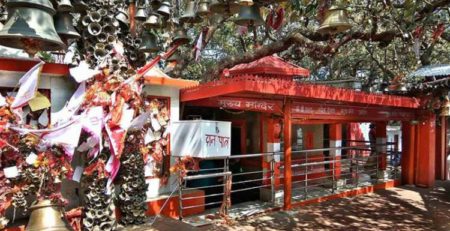
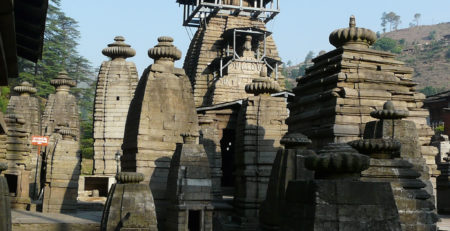
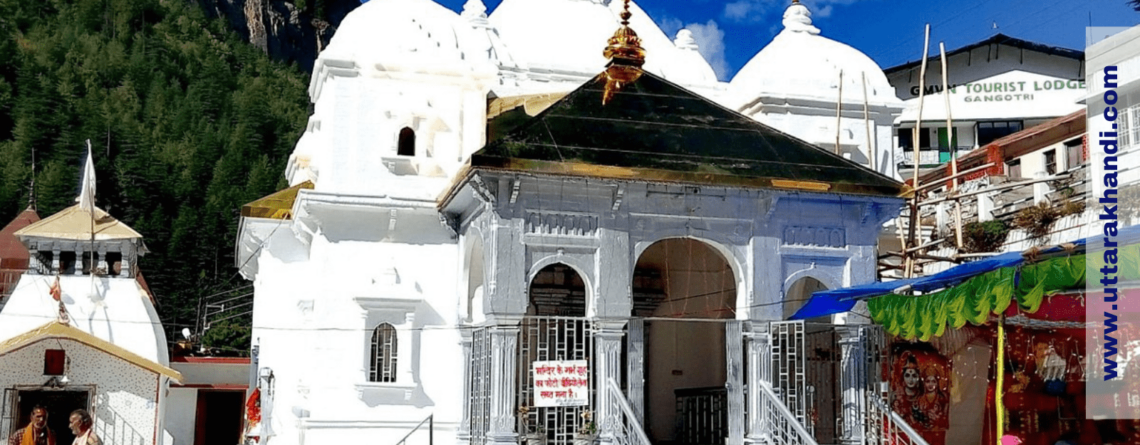
The Gangotri Temple, dedicated to Goddess Ganga, stands as one of the most revered sites in Hinduism. The temple was originally built in the 18th century by the Nepalese general Amar Singh Thapa, and it was later restored in the 19th century. The temple is an architectural marvel, built in the traditional Hindu style, with intricate carvings and a serene setting on the banks of the Bhagirathi River.
Every year, the temple is closed from Diwali to Akshaya Tritiya, and during this period, the idol of Goddess Ganga is taken to Mukhba village, near Harsil, where it remains until the temple reopens. The temple rituals are managed by the Semwal family of priests, who come from Mukhba village and are responsible for performing the sacred rites.
Spiritual Significance and Pilgrimage
Gangotri is an essential part of the Chota Char Dham Yatra, a pilgrimage circuit consisting of four sacred sites: Yamunotri, Gangotri, Kedarnath, and Badrinath. The pilgrimage attracts thousands of devotees every year, who come seeking blessings, spiritual peace, and liberation. Devotees believe that taking a dip in the sacred Bhagirathi River at Gangotri will cleanse their sins and free them from the cycle of birth and rebirth.
The river itself holds immense significance, as it is believed that the holy waters of the Ganga purify the soul and lead to moksha. Many pilgrims visit Gangotri to perform rituals for their deceased ancestors, offering prayers and seeking salvation for their souls. It is believed that the river’s sacred waters can absolve one’s sins, not just in the present life, but also from previous lives.
The Bhagirathi River
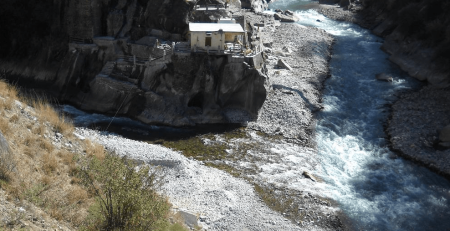
The Bhagirathi River, the precursor to the Ganges, originates from the Gangotri Glacier and is the focal point of the pilgrimage. It is named after King Bhagirath, whose penance brought the Ganga to Earth. The river flows down from the glacier, cascading through rugged terrains, and creates an awe-inspiring landscape before entering the plains and joining the Alakananda River at Devprayag, where it becomes the Ganges.
For Hindus, the waters of the Bhagirathi River are sacred, and taking a holy dip here is believed to purify one’s body and soul. Many devotees come to Gangotri to perform rituals, take a bath, and offer prayers to seek divine blessings and liberation.
Gangotri’s Natural Beauty
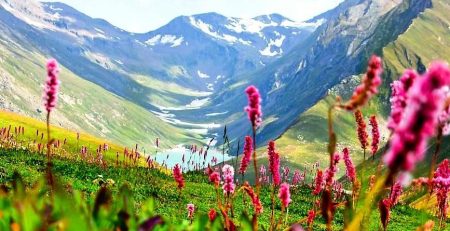
In addition to its religious significance, Gangotri is a place of extraordinary natural beauty. The town is surrounded by the majestic peaks of the Greater Himalayas, with snow-covered mountains standing tall in the background. The lush green valleys, clear blue skies, and the soothing sound of the flowing river create a serene atmosphere that enhances the spiritual experience of every visitor.
Gangotri is not only a place of divine importance but also a haven of natural beauty. From the sacred waters of the Bhagirathi River to the historic and mythological legends that surround it, Gangotri continues to be one of the most revered pilgrimage sites in India. The legends of King Bhagirath, Lord Shiva, and Goddess Ganga highlight the profound connection between the divine and the Earth, making Gangotri a timeless symbol of faith, devotion, and purification.
Whether it is the spiritual significance of the river, the beauty of the surrounding landscapes, or the rich cultural heritage associated with the region, Gangotri remains an essential destination for anyone seeking spiritual growth, peace, and a deeper connection with the divine.
Here are some frequently asked questions (FAQs) about Gangotri:
What is Gangotri famous for?
Gangotri is famous as the origin of the sacred Bhagirathi River, which later becomes the Ganges. It is a major pilgrimage site for Hindus, known for its religious significance and its association with the goddess Ganga.
Where is Gangotri located?
Gangotri is located in the Uttarkashi district of Uttarakhand, India, in the Greater Himalayan Range at an altitude of 3,100 meters (10,200 feet).
How can one reach Gangotri?
The town is accessible by road from Uttarkashi (about 99 km away). Pilgrims and tourists can reach Uttarkashi via buses or taxis from Rishikesh, Haridwar, or Dehradun, and then travel further by road to Gangotri.
What is the significance of the Gangotri Temple?
The Gangotri Temple is dedicated to Goddess Ganga and is a prominent part of the Chota Char Dham pilgrimage circuit. It is believed that King Bhagirath meditated here to bring the Ganga river to the Earth, to purify the ashes of his ancestors.
When is the best time to visit Gangotri?
The best time to visit Gangotri is between May and October. The temple is open from Akshaya Tritiya (around April-May) until Diwali (around October-November), after which it is closed for the winter.
What are some nearby attractions to Gangotri?
- Gaumukh Glacier: The source of the Bhagirathi River, located about 18 km from Gangotri.
- Kedar Tal: A high-altitude lake known for its scenic beauty.
- Harsil: A picturesque village located on the banks of the Bhagirathi River.
Is Gangotri part of the Char Dham Yatra?
Yes, Gangotri is one of the four pilgrimage sites in the Char Dham Yatra, along with Yamunotri, Kedarnath, and Badrinath.
What is the religious significance of Gangotri?
Gangotri is believed to be the place where Goddess Ganga descended to Earth. It is also associated with King Bhagirath’s penance to bring Ganga down to purify the ashes of his ancestors. Hindus believe that a dip in the river here can cleanse sins and help attain salvation.
Are there any legends associated with Gangotri?
Yes, one famous legend is of King Bhagirath, who performed penance to bring Ganga to Earth. Another legend involves the Pandavas performing a Yajna to absolve their sins after the battle of Kurukshetra.
What facilities are available in Gangotri?
Gangotri offers basic accommodation options such as guesthouses and dharamshalas for pilgrims. The town also has several small shops and eateries catering to visitors. However, advanced facilities are limited due to its remote location.
Is it safe to visit Gangotri?
Yes, Gangotri is generally safe for pilgrims. However, since it is located at a high altitude, visitors should take precautions against altitude sickness and ensure they are physically prepared for the journey. It is advisable to visit during the recommended months when weather conditions are favorable.