Chipko Movement
A Landmark in India Environmental and Social Revolution
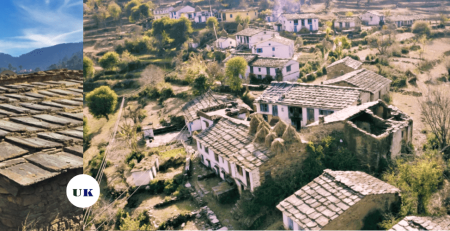
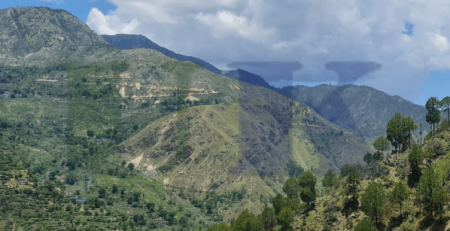
The Chipko Movement, which began in the early 1970s in the villages of Reni and Mandal in the Garhwal region of Uttarakhand, India, stands as one of India’s most iconic environmental movements. Its unique approach, centered around non-violent resistance and the participation of marginalized communities, particularly women, made it a global symbol of ecological activism. This movement not only brought attention to the dangers of deforestation but also created a platform for the intersection of environmental and social issues. The Chipko Movement’s legacy continues to inspire environmental activism, socio-political revolutions, and a rethinking of humanity’s relationship with nature.
The Genesis of Chipko
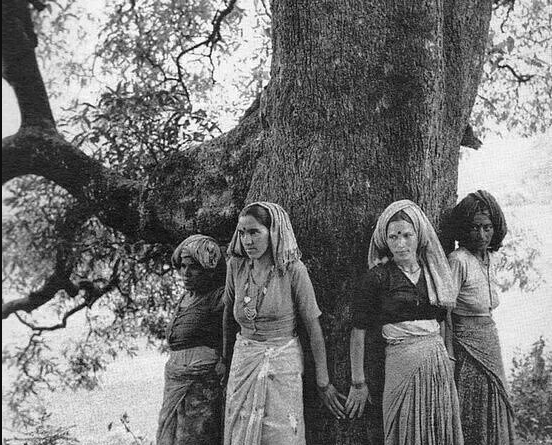
In the early 1970s, the remote hill villages of Uttarakhand faced severe ecological challenges. The region, which had been covered with lush green forests, was witnessing widespread deforestation due to the large-scale commercial felling of trees for timber and other resources. The forest was a vital source of livelihood for the local population, particularly for women, who relied on the forests for firewood, fodder, medicinal herbs, and construction materials. The issue of deforestation first gained momentum in 1973 when the government granted permission for the large-scale cutting of trees in the forests of the Kumaon region. This sparked protests by the local villagers, who were directly affected by the environmental degradation. The first instance of direct action against deforestation occurred in the village of Reni in March 1974 when Gaura Devi, a local woman, led a group of 27 women to embrace the trees in a peaceful protest, preventing the loggers from cutting them. This act of defiance became the hallmark of the Chipko Movement.
The term “Chipko” means “to hug” in Hindi, and the image of villagers, particularly women, hugging trees to protect them became the symbol of the movement. The non-violent nature of the protests, where people literally wrapped their arms around trees to prevent them from being felled, drew widespread attention to the ecological crisis. The Chipko Movement effectively demonstrated that resistance could be peaceful and that ordinary people could stand up against powerful corporate interests and government policies that threatened their way of life.
Women Role in the Movement
One of the most remarkable aspects of the Chipko Movement was the mass participation of women from rural communities. As the backbone of the agrarian economy in Uttarakhand, women were the most affected by deforestation. The loss of forests meant a loss of essential resources for cooking, farming, and other daily activities. Women in these regions, who traditionally spent a significant amount of time collecting firewood, water, and fodder from the forests, were among the first to realize the impact of deforestation on their lives. The involvement of women in the Chipko Movement was a direct result of their deep connection with the forest ecosystem. Unlike urban environmental movements, which often focus on abstract concepts like biodiversity, the women of Chipko were concerned with practical, everyday issues—access to firewood, clean water, and the survival of their agricultural practices. As these concerns were deeply intertwined with the forests, women became the natural leaders in the movement.
The Chipko Movement provided a platform for women to not only protect the forests but also to challenge traditional gender roles. In many rural communities, women were expected to perform domestic chores without much recognition. The Chipko Movement gave them an opportunity to emerge as leaders, speaking out against environmental degradation and the exploitation of natural resources. Women like Gaura Devi, who led the Reni village protest, became symbols of courage and leadership, inspiring others to follow suit.
Despite the challenges, the participation of women was crucial to the movement’s success. Their involvement in Chipko was not merely symbolic; they were the ones who put their bodies on the line, physically preventing loggers from cutting trees. The women’s participation also helped to highlight the gendered nature of environmental issues. As primary users of forest resources, women in rural areas were more attuned to the ecological changes taking place around them, making their activism all the more powerful.
The Ideology Behind Chipko
The Chipko Movement was not only a response to deforestation but also a critique of the way development policies in India were structured. The movement emerged at a time when India was undergoing rapid industrialization, and the government was prioritizing large-scale infrastructure projects like dams and factories. These projects often came at the cost of natural resources, which were being exploited without regard for their long-term impact on local communities. At the heart of the Chipko Movement was the idea of “eco-centric development.” Unlike the prevailing model of development, which focused on economic growth through industrialization and urbanization, Chipko activists advocated for a more sustainable and holistic approach. They called for the protection of forests, soil conservation, and the preservation of local biodiversity. The movement emphasized the need for communities to have control over their natural resources, rejecting the notion that economic progress could only be achieved by depleting the environment.
The ideology of Chipko was also rooted in the Gandhian principles of non-violence and self-reliance. The movement’s peaceful protests were inspired by Mahatma Gandhi’s philosophy of non-violent resistance to colonial rule. By embracing trees, the Chipko activists were not just defending the forests; they were also asserting their right to self-determination and control over their land and resources. This made the movement both a socio-political and ecological struggle.
The Role of Male Activists
While women played a crucial role in the Chipko Movement, it is important to recognize the contributions of male activists as well. Figures like Chandi Prasad Bhatt, Sundarlal Bahuguna, and others were instrumental in mobilizing support for the movement and raising awareness about the need to protect forests. These men worked alongside women, often organizing protests, leading discussions, and lobbying government authorities. Chandi Prasad Bhatt, one of the leading figures of Chipko, was awarded the Ramon Magsaysay Award in 1982 for his efforts in environmental conservation and activism. Similarly, Sundarlal Bahuguna, another key leader, was awarded the Padma Vibhushan in 2009 for his contribution to environmental causes. These awards were a recognition of the Chipko Movement’s far-reaching impact, both within India and internationally.
Male activists like Bhatt and Bahuguna played an important role in expanding the movement’s reach, drawing national and global attention to the environmental crisis in the Himalayas. However, it was the grassroots participation of local women that gave the movement its strength and legitimacy, turning it into a force for social and ecological change.
Chipko’s Legacy and Influence
The impact of the Chipko Movement was felt long after the initial protests in the 1970s. The movement not only led to a ban on commercial logging in certain areas but also sparked a broader conversation about environmental conservation and sustainable development in India. Chipko’s success became a model for other grassroots movements in India and beyond. In the 1980s, activists in Tehri District protested against limestone mining and the construction of the Tehri Dam, which threatened the region’s ecology and local communities. The Chipko Movement also inspired similar movements in other parts of India, including the Appiko Movement in Karnataka, which worked to stop the felling of trees in the Western Ghats.
Chipko’s influence extended beyond India’s borders, inspiring environmental movements around the world. It demonstrated the power of non-violent resistance and grassroots mobilization in the fight against environmental degradation. The movement also raised awareness about the importance of community involvement in environmental decision-making, and its lessons continue to resonate in contemporary environmental struggles.
In recent years, the legacy of Chipko has been celebrated in various ways. In 2004, the 30th anniversary of Chipko was commemorated in Reni and Laata, where the original protests took place. The celebration brought together the original participants and highlighted the continued relevance of the movement. In 2017, a new wave of activism inspired by Chipko emerged in West Bengal, where local communities united to save 4,000 trees threatened by deforestation along Jessore Road.
FAQs
What is the Chipko Movement?
The Chipko Movement was an environmental movement in India that began in the 1970s, primarily in the Garhwal region of Uttarakhand. It was a direct action protest against deforestation, where villagers, mostly women, hugged trees to prevent them from being cut down by loggers. The term “Chipko” means “to hug” in Hindi, symbolizing the act of embracing trees to protect them.
Where did the Chipko Movement start?
The Chipko Movement began in the villages of Reni and Mandal in the Garhwal region Chamoli district of Uttarakhand, India. It was sparked by the deforestation caused by commercial logging activities in the region.
Who were the key leaders of the Chipko Movement?
The Chipko Movement had both female and male leaders. Prominent leaders included:
- Gaura Devi – A village woman who led the first protest in Reni village.
- Chandi Prasad Bhatt – A prominent male leader and environmental activist.
- Sundarlal Bahuguna – An environmentalist who also played a significant role in the movement. Other notable figures included Govind Singh Rawat, Bachni Devi, and Shamsher Singh Bisht.
Why was the Chipko Movement important?
The Chipko Movement was crucial because it raised awareness about the destructive effects of deforestation on local communities. It also highlighted the role of women in environmental conservation and emphasized the need for sustainable development. The movement successfully stopped large-scale tree cutting in some areas, promoting forest preservation and ecological balance.
What role did women play in the Chipko Movement?
Women were the backbone of the Chipko Movement. As primary users of forest resources for firewood, fodder, and medicinal plants, they were directly impacted by deforestation. Women like Gaura Devi became key leaders, showing their courage and determination by physically embracing trees to protect them from being felled.
How did the movement spread beyond Uttarakhand?
The success of the Chipko Movement inspired similar protests across India. In the 1980s, the Appiko Movement in Karnataka, modeled on Chipko, helped stop tree felling in the Western Ghats. The movement also inspired many other ecological movements across India and worldwide.
What was the impact of the Chipko Movement on Indian policies?
The Chipko Movement led to significant changes in forest conservation policies in India. It contributed to the government implementing a ban on commercial logging in some areas and spurred public drives for afforestation. It also encouraged the development of laws that promoted sustainable resource management and local community control over forests.
How did the Chipko Movement contribute to gender equality?
The Chipko Movement empowered women by giving them a platform to be leaders in environmental activism. Traditionally marginalized in rural societies, women in the movement defied social norms and became central figures in the struggle for ecological conservation. Their participation was a significant step toward gender equality in rural India.
What is the legacy of the Chipko Movement?
The Chipko Movement’s legacy continues to influence environmental activism today. It has inspired movements for sustainable development, water management, and afforestation. The movement’s emphasis on the connection between social justice and environmental protection is relevant in contemporary ecological struggles. Chipko remains a symbol of non-violent protest and grassroots activism.
How is the Chipko Movement celebrated today?
The Chipko Movement is celebrated annually, especially on significant milestones such as the anniversary of the first protest in Reni on March 26. The movement’s founders and surviving participants are honored, and various environmental campaigns continue to carry forward its message. In recent years, the Chipko-inspired campaign in West Bengal in 2017 to save thousands of trees is another example of its lasting influence.
What is the significance of the “hugging trees” action?
The action of hugging trees was symbolic of the non-violent resistance that the Chipko Movement promoted. By physically embracing the trees, the villagers made a powerful statement against the destruction of nature and emphasized the deep, personal connection they had with the forests. It also helped draw global attention to the environmental issues in the region.
What challenges did the Chipko Movement face?
The Chipko Movement faced significant opposition from government authorities, corporations, and commercial interests that were responsible for the deforestation. These entities sought to prioritize economic development over environmental protection. Activists faced intimidation, but their perseverance and the movement’s peaceful approach ultimately led to widespread support and success.
Was the Chipko Movement successful in stopping deforestation?
Yes, the Chipko Movement was successful in stopping large-scale deforestation in several areas. In the short term, it led to the halting of tree cutting in some regions. Long-term, the movement also contributed to the development of more sustainable forest policies in India.
How did the Chipko Movement influence other global movements?
The Chipko Movement’s peaceful, grassroots approach to environmental conservation inspired similar movements worldwide, particularly in countries facing similar environmental threats. Its focus on the rights of local communities, women’s participation, and non-violent resistance provided a model for global ecological activism.
What does the Chipko Movement teach us today?
The Chipko Movement teaches the importance of collective action, environmental stewardship, and the need for sustainable development. It emphasizes that local communities, especially marginalized groups like women, have a vital role to play in protecting the environment. It also serves as a reminder that environmental justice is deeply connected to social justice and that activism can lead to meaningful change.
How does the Chipko Movement relate to modern environmental issues?
The Chipko Movement’s focus on deforestation, resource conservation, and community involvement is still highly relevant today, as the world faces challenges like climate change, biodiversity loss, and unsustainable development. Its principles can guide current efforts to protect forests, reduce carbon emissions, and promote sustainable development across the globe.
Chipko Movement stands as a monumental example of grassroots environmental activism, highlighting the power of collective action and the significance of community involvement in addressing ecological issues. Originating in the Garhwal region of Uttarakhand, this movement not only successfully halted deforestation in several areas but also brought attention to the intertwined nature of environmental and social justice. By placing women at the forefront of the movement, Chipko challenged traditional gender roles and demonstrated the critical role of women in sustainable development. The legacy of the Chipko Movement endures, inspiring numerous environmental campaigns both within India and around the world. It has taught us that environmental conservation is not just about protecting nature, but also about ensuring the well-being of local communities who depend on these natural resources. The Chipko Movement remains a symbol of peaceful resistance, showing that even in the face of powerful opposition, non-violent actions grounded in community solidarity can lead to meaningful, lasting change. As we confront the urgent challenges of climate change and environmental degradation today, the lessons of the Chipko Movement continue to resonate, urging us to act with responsibility and compassion for both our planet and its people.