Chaiti Devi Temple
Explore the Chaiti Devi Temple, a sacred Shakti Peeth in Kashipur, Uttarakhand, known for its rich history, ancient myths, and the grand Chaiti Mela fair during Navratri. Discover the temple’s spiritual significance and its historical connections to the Mahabharata.
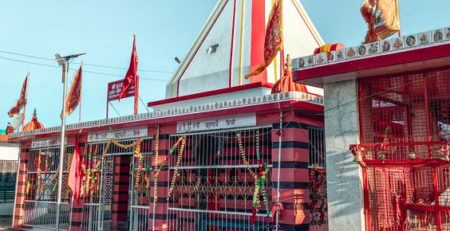
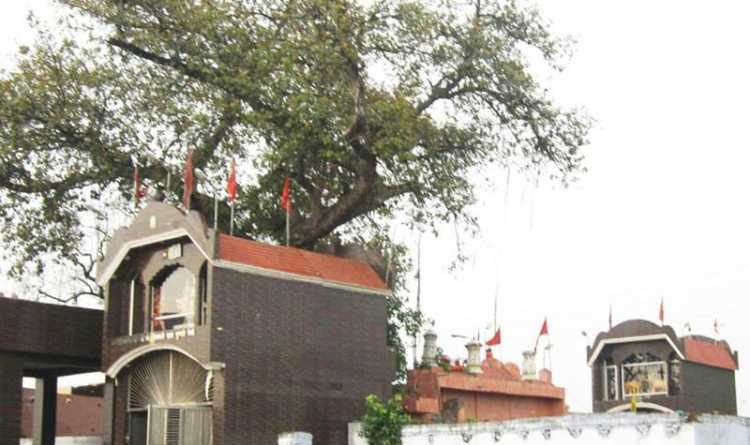
Nestled in the picturesque hills of Kashipur, Uttarakhand, the Chaiti Devi Temple is a spiritual haven for thousands of devotees who visit year-round to seek the blessings of Mata Balasundari. Known by many names, including Mata Balasundari Temple, Jwala Devi Mandir, and Ujjaini Devi, this ancient temple holds great religious and mythological importance.
Historical and Mythological Significance
The Chaiti Devi Temple is a renowned Shakti Peeth, one of the 51 sacred sites dedicated to the goddess Sati. According to Hindu mythology, it is believed that the right arm of Goddess Sati fell at this location after Lord Vishnu dismembered her body with his Sudarshan Chakra. Remarkably, instead of an idol, the goddess is worshipped through a rock marking the spot of her right arm. This unique feature adds to the temple’s allure and sacredness.
The temple’s historical importance is further confirmed by its mention in the ancient Hindu epic, the Mahabharata. Archaeological findings by the Archaeological Survey of India (ASI) indicate that the site has been in existence since the Copper Age. During this period, the region was known for its industrial activities, with the local population using copper-based tools and artifacts.
Chaiti Devi Temple is also connected to legendary figures like Guru Nanak, Guru Gorakhnath, Gautam Buddha, and Tulsidas, who are believed to have visited and spread their teachings in this region. The temple’s history is deeply intertwined with the rich spiritual and cultural legacy of Kashipur.
Temple Architecture and Surrounding Shrines
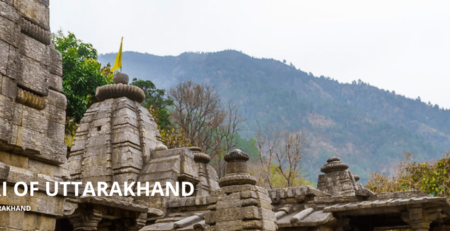
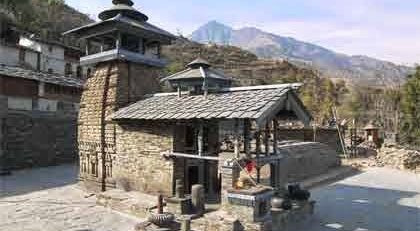
The temple complex is not just home to Mata Balasundari; it also houses several other important shrines. Among them are the Shiva Temple, Bhagwati Lalita Temple, Brijpur Wali Devi Temple, and Bhairav and Kali Temples. The architectural style of these temples showcases intricate carvings and ancient designs, reflecting a blend of historical and religious significance.
The history of the Chaiti Devi Temple is also tied to the Mughal era. It is believed that the Mughal emperor Aurangzeb played a significant role in supporting the construction of the temple. Over time, the temple was established as an important center of worship, and the local Chand rulers contributed to its upkeep.
Festivals and the Chaiti Mela
One of the major attractions of the Chaiti Devi Temple is the grand Chaiti Mela, or fair, which takes place annually during Basant Navratra. This event draws pilgrims from all corners of India who come to offer their prayers, seek blessings, and partake in the vibrant celebrations. The fair is marked by lively festivities, including religious rituals, cultural performances, and a variety of local handicraft stalls.
During Navratri, the temple witnesses a surge of devotees, especially on the Ashtami, Navami, and Dashami days. The culmination of the fair is a grand procession where the idol of Mata Balasundari is carried in a doli (palanquin) to her permanent abode in Kashipur. Worship ceremonies, including sacrifices, are performed at midnight before the doli’s journey begins. The procession is a beautiful sight, with the doli being halted at various places for additional prayers and homage from devotees.
Best Time to Visit
The Chaiti Devi Temple can be visited year-round as Kashipur enjoys a pleasant climate throughout the year. However, the best time to visit is during Navratri when the temple is at its most festive and vibrant. Pilgrims can experience the temple in full grandeur during the Chaiti Mela and the Navratri celebrations, where they can witness the rich cultural traditions and vibrant atmosphere of this revered place.
Chaiti Devi Temple is not only a place of worship but also a repository of rich history, mythology, and culture. Its connection to the ancient epic, the Mahabharata, its status as one of the 51 Shakti Peeths, and the vibrant festivals held here make it a must-visit destination for devotees and history enthusiasts alike. Whether you are visiting for spiritual enlightenment or to explore its historical significance, the temple offers a unique experience that blends faith, culture, and history in a truly remarkable way.