Adi Badri
A Spiritual and Natural Haven in Uttarakhand
Adi Badri, also known as Chandpurgadhi, is a mesmerizing tehsil nestled in the picturesque Chamoli district of Uttarakhand, India. Elevated at an impressive 1,800 meters above sea level, this tranquil region is renowned for its rich cultural heritage, stunning natural beauty, and profound spiritual significance. Surrounded by lush greenery, majestic mountains, and ancient temples, Adi Badri serves as an essential stop in the revered Panch Badri pilgrimage circuit, drawing spiritual seekers and nature enthusiasts from across the globe.
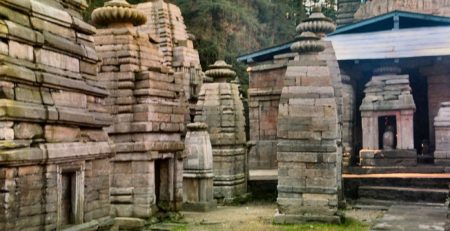
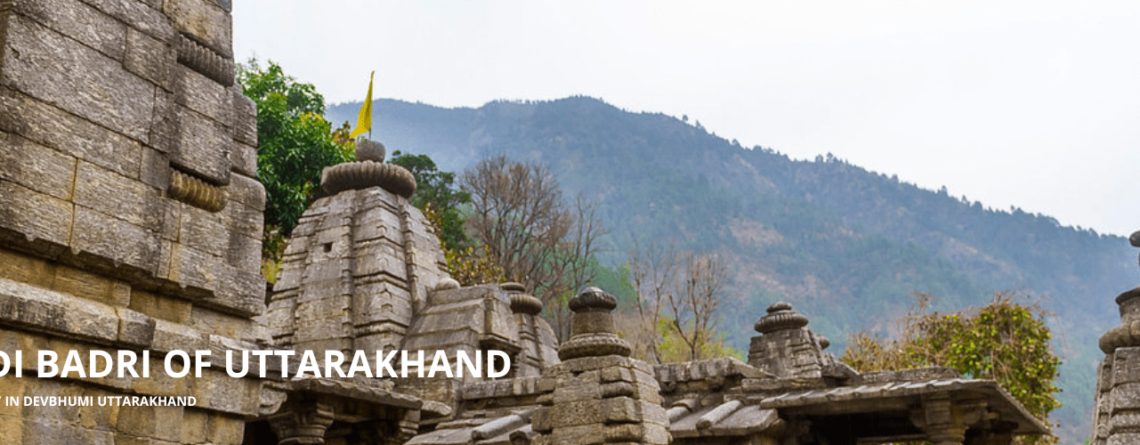
The name “Adi Badri” derives from the Adi Badri Temple Complex, a group of ancient temples dedicated to Lord Vishnu and other deities, believed to have been established between the 8th and 12th centuries. These temples are an architectural marvel of the Nagara style and are intricately linked to the spiritual and cultural fabric of the region. Legend attributes the temple’s foundation to Adi Shankaracharya, who envisioned this site as a center for devotion and learning.
Adi Badri is not only spiritually significant but also historically important. Nearby lies the Chandpurgarh Fort, the first capital of the Panwar dynasty of Garhwal, which ruled the region before shifting their seat of power to Dewalgarh, Srinagar, and finally Tehri. This historical connection adds another layer of depth to Adi Badri’s charm.
Location and Administrative Importance
Adi Badri lies in the Garhwal region of Uttarakhand, about 25 kilometers from Karnaprayag, en route to Dwarahat in Kumaon. The tehsil headquarters, listed as Helisera in revenue records, serves as the administrative center for 69 nearby villages. The region is divided into five administrative zones or pattis:
- Adi Badri
- Kanswa
- Dewalkot
- Mathar
- Silpata
Each zone is overseen by a Patwari, who manages revenue and police responsibilities, reflecting a well-structured administrative setup.
Adi Badri Temple Complex: A Spiritual Marvel
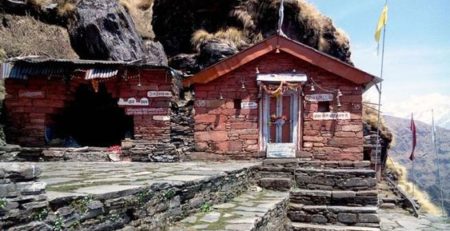
The Adi Badri Temple Complex is the heart of the region’s spiritual identity and forms an integral part of the Panch Badri pilgrimage circuit. Built between the 8th and 12th centuries, the temple complex is dedicated to Lord Vishnu, with additional shrines honoring various other deities.
Architectural Brilliance
The complex, originally comprising 16 temples, now has 14 remaining structures, each showcasing the Nagara style of architecture. The main shrine is dedicated to Lord Vishnu, while the other temples are devoted to:
- Gaurishankar (Lord Shiva and Parvati)
- Annapurna (Goddess of nourishment)
- Surya (Sun God)
- Durga
- Ganesh
- Satyanarayan (An avatar of Vishnu)
- Garuda
- Janki (Sita)
The intricate carvings and designs are a testament to the craftsmanship of ancient artisans. The temple complex is believed to have been established under the guidance of Adi Shankaracharya, a revered figure in Indian spirituality.
Significance in Hindu Mythology
The name Adi Badri, meaning the “First Badri,” underscores its sacredness as a precursor to the famous Badrinath Temple. It has been a focal point for spiritual seekers and devotees for centuries.
Natural and Historical Highlights
Benital Lake
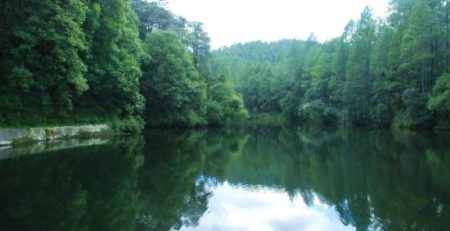
Close to the tehsil headquarters lies Benital Lake, a pristine waterbody surrounded by dense greenery and scenic vistas. This tranquil spot is perfect for picnics, meditation, and photography, offering a serene retreat for visitors.
Chandpurgarh Fort
Adi Badri is also home to the Chandpurgarh Fort, a historical landmark that was once the first capital of the Panwar Kings of Garhwal. The fort remained an important administrative and defensive hub until the capital was relocated to Dewalgarh, Srinagar, and eventually Tehri.
Cultural and Economic Landscape
The area is predominantly rural, with agriculture and forestry forming the backbone of its economy. The local population celebrates vibrant festivals that reflect the cultural richness of the Garhwal region.
The Adi Badri Temple Complex serves as a hub for religious activities and gatherings, fostering a sense of community and spiritual unity among the people.
Tourism and Future Developments
The Uttarakhand government’s Panch Badri initiative aims to promote the spiritual and cultural significance of Adi Badri globally. The completion of the Rishikesh-Karnaprayag railway line is expected to boost tourism, making the region more accessible and fostering economic growth.
Why Visit Adi Badri?
Adi Badri is more than just a destination, it’s a journey into spirituality, history, and natural beauty. Whether you seek divine blessings, historical exploration, or a peaceful escape into nature, Adi Badri has something for everyone.
From the ancient Adi Badri Temple Complex and the serene Benital Lake to the historical Chandpurgarh Fort, every aspect of this region tells a story of its rich heritage and natural splendor.
Frequently Asked Questions (FAQs) about Adi Badri
What is Adi Badri?
Adi Badri, also known as Chandpurgadhi, is a serene tehsil located in the Chamoli district of Uttarakhand. It is part of the sacred Panch Badri circuit, which consists of five temples dedicated to Lord Vishnu. Adi Badri is known for its rich spiritual heritage, ancient temples, and stunning natural beauty.
Why is Adi Badri important?
Adi Badri holds immense spiritual significance as part of the Panch Badri pilgrimage. The temples here are believed to date back to the 8th century, making it an important site for devotees of Lord Vishnu. The tranquil surroundings and historical landmarks make it a revered destination for spiritual seekers and history enthusiasts alike.
How do I reach Adi Badri?
To reach Adi Badri, you can fly to Jolly Grant Airport in Dehradun, which is the nearest airport. From there, you can take a taxi or bus to Adi Badri. Alternatively, you can reach Rishikesh by train, and then proceed by road. The upcoming Rishikesh-Karnaprayag rail line will further improve accessibility to the region.
What are the key attractions in Adi Badri?
- Adi Badri Temple Complex: This historic temple complex dedicated to Lord Vishnu and other deities is the main attraction.
- Chandpurgarh Fort: A historic fort that was once the capital of the Panwar dynasty.
- Benital Lake: A serene lake nearby, perfect for peaceful reflection and enjoying the beauty of nature.
- Panch Badri Circuit: Adi Badri is part of the Panch Badri pilgrimage, which includes other temples like Badrinath, Yogadhyan Badri, and others.
What is the best time to visit Adi Badri?
The best time to visit Adi Badri is between April and October, when the weather is pleasant and conducive for sightseeing and spiritual activities. Winters can be cold, with heavy snowfall, making travel more challenging.
What are the accommodation options in Adi Badri?
There are basic accommodation options available in Adi Badri, including guest houses and small hotels. The Garhwal Mandal Vikas Nigam (GMVN) has a guest house in the area for visitors. For more luxurious stays, one may need to consider accommodations in nearby towns like Karanprayag or Rishikesh.
Is Adi Badri suitable for adventure activities?
Yes, Adi Badri is a great place for trekking and nature walks. The region’s rugged terrain and stunning views of the Himalayas provide the perfect backdrop for outdoor enthusiasts. Several trekking routes around the area offer adventure seekers the chance to explore Uttarakhand’s hidden gems.
Can I visit Adi Badri with family and children?
Yes, Adi Badri is an excellent destination for families and children. The peaceful environment, historical landmarks, and natural beauty make it an ideal place for a family getaway. Children will enjoy the scenic beauty and the opportunity to learn about the rich culture and history of the region.
Are there any nearby attractions to visit after Adi Badri?
Yes, there are several nearby attractions:
- Badrinath Temple: Located about 50 kilometers from Adi Badri, this is one of the most important pilgrimage sites in Uttarakhand.
- Karanprayag: Known for its religious significance, Karanprayag is where the Alaknanda and Pindar rivers meet.
- Rishikesh: Famous for its spiritual significance and adventure sports like river rafting, yoga retreats, and hiking.
What cultural experiences can I expect in Adi Badri?
Visiting Adi Badri offers a deep cultural experience. The region is home to traditional Garhwali customs, festivals, and rituals. Locals celebrate various festivals with great enthusiasm, including Diwali, Makar Sankranti, and the Nanda Devi Mela. Visitors can also experience the warmth of Garhwali hospitality and enjoy local cuisines like Aloo ke Gutke and Kachmauli.
Adi Badri is more than a destination, it’s a journey into the heart of Uttarakhand’s spiritual and natural heritage. Its timeless charm, peaceful surroundings, and deep-rooted cultural significance make it a must-visit place for anyone exploring the Garhwal Himalayas. Plan your trip to Adi Badri and immerse yourself in its divine essence and breathtaking beauty.