Uttarakhand Wolf – Himalayan Wolves
Explore the unique Himalayan Woolly Wolf, thriving in the high-altitude regions of Uttarakhand. Learn about its adaptations, habitat, and the ongoing conservation efforts to protect this remarkable species in the Himalayas.
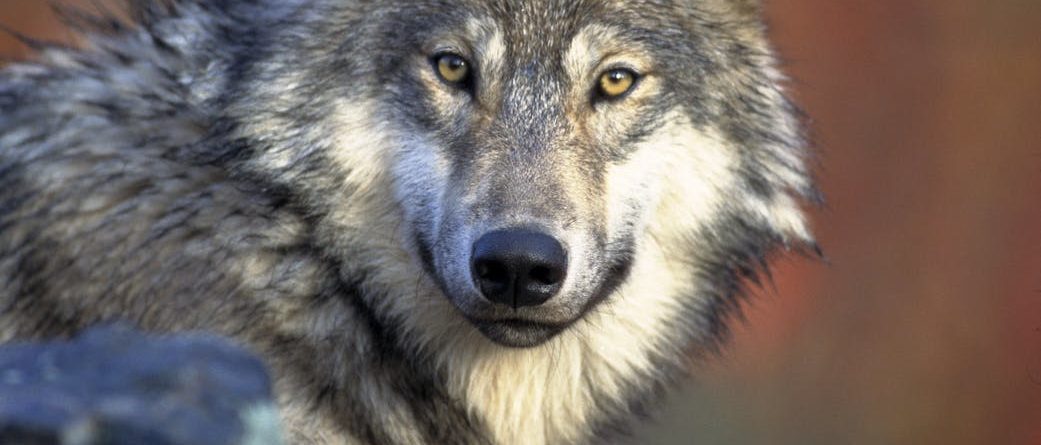
The Himalayan wolf is a remarkable and resilient species, adapted to the unique and harsh environments of the high-altitude regions it inhabits. Weighing around 35 kg, these wolves stand out due to their broader bone structure, longer muzzle, and a strikingly bushy tail. Their thick, woolly fur, often with a distinctive crest of black hairs on the shoulders, has earned them the name “Woolly Wolf.” This dense coat helps them endure the frigid temperatures of the Himalayas, allowing them to thrive where few other predators can.
Where to Find Them
The best places to spot these elusive wolves are the cold desert landscapes of Ladakh and Spiti, where they roam the vast open spaces in search of prey. However, their presence has also been recorded in the rugged terrains of Uttarakhand, Nepal, Kashmir, and Arunachal Pradesh. These regions, with their high-altitude grasslands and sparse human settlements, offer the perfect habitat for the Himalayan wolf.
Adaptations and Behavior
What sets the Himalayan wolf apart from other canids is not just its size and appearance, but its extraordinary adaptations to survive in one of the toughest environments on Earth. With a larger body, less pointed ears, and a bushier tail than its cousins, the wolf’s physical traits are perfectly suited to the cold climates. Their thick, woolly coat provides insulation, and their longer muzzle aids in hunting prey like wild ungulates, which are often scarce in the remote Himalayan ecosystems.
Ecological Role and Conservation
These wolves play a vital role in maintaining the balance of the ecosystem, helping control the populations of herbivores in their habitats. However, like many wildlife species, they face threats due to habitat loss and human-wildlife conflict. Efforts to conserve them are crucial, not only to protect this unique subspecies but also to preserve the delicate ecosystems they are part of.
Despite their remote habitats, the Himalayan wolves have become a symbol of the wilderness in the high Himalayas, representing both the beauty and the fragility of life at the roof of the world. Their mysterious presence, often only glimpsed from afar, adds a layer of awe to the already breathtaking landscapes of the Himalayas.