Sage Vyas
Vyas Gufa, Badrinath, Chamoli, Uttarakhand
Sage Vyas, an eminent figure in Hindu tradition, wrote the sacred Mahabharata in Badrinath, Uttarakhand. This serene and divine location is where he composed one of the greatest epics in Indian literature. The peaceful surroundings of the region are believed to have inspired Vyasa’s profound wisdom, shaping the spiritual and cultural heritage of India.
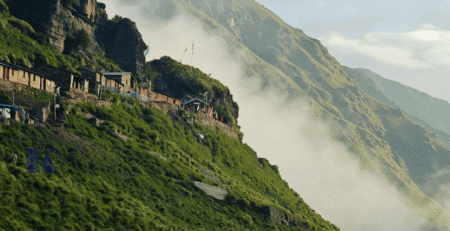
Vyas Gufa, situated in Mana village near Badrinath in Uttarakhand, holds immense historical and spiritual significance. This small cave is traditionally believed to be the birthplace of the Mahabharata, one of the two major Sanskrit epics of ancient India. According to legend, Sage Vyasa, the revered author of the epic, meditated in this very cave, where he is said to have composed and dictated the Mahabharata to Lord Ganesha, who acted as his scribe. The serene and tranquil environment of Vyasa Gufa, surrounded by the majestic Himalayas, offers the perfect setting for meditation and spiritual practice, making it a revered pilgrimage site. The cave is not just a physical location but also a symbol of wisdom, where Vyasa is believed to have gathered divine insights to share with the world.
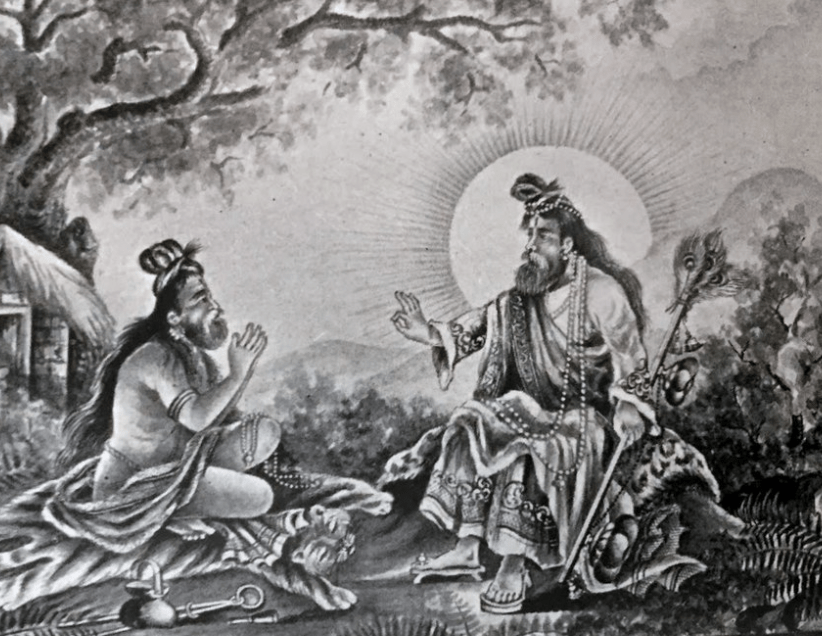
Today, the Vyasa Gufa is a popular spot for pilgrims and visitors who journey to Badrinath. They come to experience the spiritual legacy of Sage Vyasa and connect with the rich history of the Mahabharata. The cave stands as a testament to Vyasa’s profound influence on Indian literature, culture, and spirituality. Vyasa, one of the most revered figures in Hindu mythology, is regarded as the author of the Mahabharata, a sacred text that is not only a spiritual guide but also a profound reflection of Indian culture, ethics, and philosophy. Vyasa’s life and works have left an indelible mark on Indian literature, spirituality, and religious practices, making him one of the most significant sages in Hindu tradition.
Early Life and Birth
Vyasa’s birth is enveloped in mystical and divine elements, reflecting his importance in the larger narrative of the Mahabharata and the Vedic tradition. Vyasa was born to the sage Parsara and Satyavati, a fisherman’s daughter. The circumstances surrounding his birth are extraordinary Satyavati helped Parāṣara cross the river Yamuna, and moved by her beauty, Parāṣara used his divine powers to create a fog and secluded spot for their union. This mystical act led to the birth of Vyasa, who was also known as Krishna Dvaipāyana due to his dark complexion and the island (Dvaipa) where he was born.
Vyasa’s birth itself carries symbolic meaning, hinting at the vast wisdom he would later impart to the world. From an early age, he was destined to be a sage who would bridge the realms of knowledge, spirituality, and kingship.
Vyasa Role in the Mahabharata
Vyasa’s contribution to Indian culture is most significantly marked by his authorship of the Mahabharata, an epic that weaves together a tapestry of mythology, philosophy, history, and morality. The Mahabharata tells the story of the Kurukshetra War, the rivalry between the Kauravas and Pandavas, and the deeper spiritual teachings such as the Bhagavad Gita, which remains one of the most important texts of Hinduism.
Vyasa is considered the compiler of the Vedas, the oldest scriptures of Hinduism, and it is said that he divided the Vedas into four parts for easier study and understanding. He is regarded as the ultimate guru who imparts knowledge and spiritual guidance.
Niyoga and His Descendants
Vyasa’s role extended beyond being an author and sage. He played a pivotal part in the continuation of the Kuru dynasty, which was central to the Mahabharata. Vyasa’s mother, Satyavati, was married to King Shantanu, but after the death of Shantanu’s sons, the kingdom of Hastinapura was left without an heir. Satyavati called upon her firstborn son, Vyasa, to impregnate her stepdaughters-in-law, Ambika and Ambalika, as part of the ancient custom of Niyoga. The resulting children—Dhritarāshtra, Pandu, and Vidura became the central figures in the epic tale of the Pandavas and Kauravas.
Dhritarāshtra, the blind king, and Pandu, the cursed king, were Vyasa’s direct descendants. These figures became the focus of the Mahabharata, where their children the Kauravas and Pandavas battled over the throne of Hastinapura.
Vyasa and the Bhagavad Gita
Vyasa’s influence also extends to the Bhagavad Gita, the spiritual discourse between Lord Krishna and Arjuna on the battlefield of Kurukshetra. It is believed that Vyasa recorded the words of Krishna and Arjuna, which were later compiled into the Mahabharata by his disciples. The Gita is considered a text of great philosophical depth, addressing the concepts of duty (dharma), righteousness, and the nature of the self. Vyasa, as the narrator and recorder of these divine teachings, is credited with preserving the essence of this profound spiritual dialogue.
Vyasa’s Wisdom and Legacy
Vyasa is often referred to as “Veda Vyasa,” emphasizing his role in preserving and spreading the knowledge of the Vedas. He is seen as the one who brought clarity to spiritual practices, guiding individuals to understand the divine and navigate the complexities of life through righteous living. His wisdom, encapsulated in the Mahabharata and the Vedas, has influenced countless generations of spiritual seekers and scholars across India and the world.
Vyasa is regarded as a figure of immense knowledge, discipline, and selflessness, and his life symbolizes the ideal sage who serves as a link between humanity and the divine. His name remains synonymous with spiritual enlightenment and the preservation of ancient wisdom.
Here are some frequently asked questions (FAQs) about Vyasa Gufa and its significance:
Where is Vyasa Gufa located?
Vyasa Gufa is located in Mana village, near Badrinath, Uttarakhand, India.
What is the significance of Vyasa Gufa?
Vyasa Gufa is believed to be the place where Sage Vyasa composed the Mahabharata and dictated it to Lord Ganesha. It is a key pilgrimage site, known for its spiritual and historical importance.
What is the connection between Vyasa Gufa and the Mahabharata?
Vyasa Gufa is considered the birthplace of the Mahabharata. Sage Vyasa is said to have meditated in the cave, where he narrated the epic to Lord Ganesha, who wrote it down.
How can I visit Vyasa Gufa?
Vyasa Gufa is accessible by trekking from Badrinath. It is a popular destination for pilgrims visiting the Badrinath temple and can be visited during the pilgrimage season.
Why is Vyasa Gufa important for Hindu devotees?
Vyasa Gufa is an important spiritual site as it is associated with the revered Sage Vyasa, the compiler of the Vedas, and the creator of the Mahabharata. It is considered a sacred place for reflection and meditation.
Are there any facilities available at Vyasa Gufa?
Vyasa Gufa is a small, serene cave located in a remote area, so basic facilities like food and accommodation are available in nearby Mana village. However, visitors should be prepared for a relatively simple experience.
Can I meditate at Vyasa Gufa?
Yes, Vyasa Gufa offers a peaceful and serene atmosphere ideal for meditation. Many devotees and visitors come to the cave to meditate and connect with the spiritual energy of the place.
Is there any nearby place of interest?
Yes, Badrinath temple, Mana village, and other scenic spots in the region, including the Badrinath River, are popular attractions near Vyasa Gufa.