Vat Savitri
A Tribute to Love and Commitment
Bat Savitri, also known as Vat Savitri, is a significant Hindu festival celebrated primarily in Uttarakhand, India, dedicated to honoring the unwavering devotion of wives towards their husbands. This festival takes place during the months of May to June, specifically on Krishna Amavasya, the last day of the dark half of the month of Jyestha. It serves as a time for married women to engage in fasting and prayer, seeking the well-being and longevity of their husbands.
The origins of Vat Savitri are rooted in the legend of Savitri and Satyavan, which is recounted in the epic Mahabharata. According to the tale, Savitri demonstrated profound love and devotion by performing intense penance to revive her husband, Satyavan, who had succumbed to death. This poignant story highlights the power of love and fidelity, making it a significant cultural touchstone for married women during this festival.
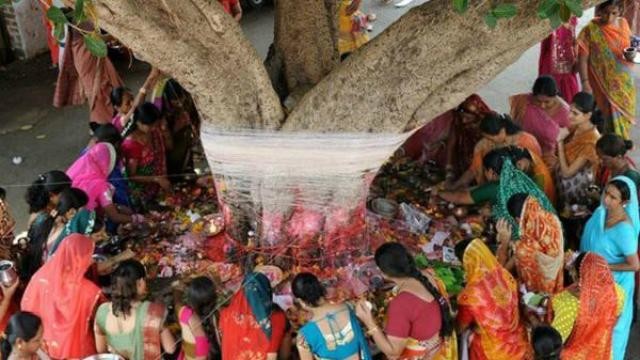
During the celebrations, women gather around banyan trees, which are symbolic of prosperity and fertility, and offer prayers and sweets not only to Savitri but also to deities like Lord Shiva and Lord Vishnu. The act of worshipping the banyan tree emphasizes the connection between nature and marital harmony, reflecting the deep-rooted traditions and beliefs that underpin this festival. Through these rituals, women express their hopes for the health and longevity of their spouses, reinforcing the bond of love and commitment central to their relationships. add this Uttarakhand State Is Known For Exceptional Culture And Their People Love To Celebrate Each And Every Festival With A Great Deal Of Dedication And Enthusiasm.
Vat Savitri Story
The Heart of the Vat Savitri Festival
The Story of Vat Savitri is an ancient Indian myth that showcases the timeless love between Savitri and Satyavan. The tale begins with King Ashwapati and his queen, who, desiring offspring, undertake a deep penance. As a result of their devotion, they are blessed with a daughter, Savitri. From a young age, Savitri is portrayed as brave, intelligent, and devoted. When she reaches adulthood, she begins her quest for an ideal husband.
Savitri chooses Satyavan, a simple yet virtuous man. After their marriage, Savitri learns of a tragic truth: Satyavan is destined to die soon. Despite this heartbreaking revelation, she refuses to abandon him and chooses to live in the forest with him. One day, as Satyavan goes to chop wood, he meets his fate. Savitri witnesses Yama, the god of death, arriving to claim her husband’s soul.
Determined, Savitri approaches Yama and pleads for her husband’s life. Moved by her devotion and courage, Yama agrees to grant her three boons. First, she asks for the longevity of her father-in-law; second, for a son; and third, for Satyavan’s life to be restored. Impressed by her unwavering faith and determination, Yama ultimately agrees to return Satyavan to life.
Thus, Satyavan is revived, and Savitri triumphs through her love and devotion. This tale is not only a celebration of love but also a symbol of a woman’s strength, perseverance, and devotion. During the Vat Savitri festival, women worship the banyan tree, praying for the long life and prosperity of their husbands, while honoring this timeless love story. The day is marked by the celebration of Savitri’s unwavering commitment and love for Satyavan.
The Vat Savitri festival stands as a poignant testament to the enduring power of love and devotion within marital relationships. Celebrated primarily in Uttarakhand, this festival not only honors the legendary tale of Savitri and Satyavan from the Mahabharata but also reinforces the cultural significance of commitment and fidelity among married women. As they gather around banyan trees, offering prayers and sweets, they embody the hopes for their husbands’ well-being and longevity, intertwining nature with their spiritual aspirations.
The rituals and customs associated with Vat Savitri reflect the rich tapestry of Uttarakhand’s cultural heritage, where each celebration is infused with dedication and enthusiasm. This festival not only strengthens the bonds of love between couples but also fosters a sense of community among women, allowing them to share their prayers and aspirations. In a world that often challenges traditional values, Vat Savitri serves as a beautiful reminder of the timeless virtues of loyalty and love, ensuring that these ideals continue to resonate across generations.