Uttarakhand Wildlife Tourism Location
Uttarakhand, known as the “Land of the Gods,” is not only a pilgrimage hub but also a sanctuary for wildlife enthusiasts and nature lovers. The state’s diverse topography, ranging from the towering peaks of the Himalayas to dense forests, nurtures a remarkable variety of flora and fauna. Wildlife locations in Uttarakhand, such as the national parks and sanctuaries spread across Nainital, Pauri Garhwal, Dehradun, Haridwar, Chamoli, Almora, Pithoragarh, and Uttarkashi, provide refuge to some of India’s most iconic species, including tigers, elephants, snow leopards, and hundreds of bird species. Uttarakhand’s commitment to conservation has created a thriving wildlife tourism industry, making it one of India’s premier destinations for eco-tourism.
Uttarakhand, known as the “Land of the Gods,” is not only a pilgrimage hub but also a sanctuary for wildlife enthusiasts and nature lovers. The state’s diverse topography, ranging from the towering peaks of the Himalayas to dense forests, nurtures a remarkable variety of flora and fauna. Uttarakhand’s commitment to conservation has created a thriving wildlife tourism industry, making it one of India’s premier destinations for eco-tourism.
Jim Corbett National Park
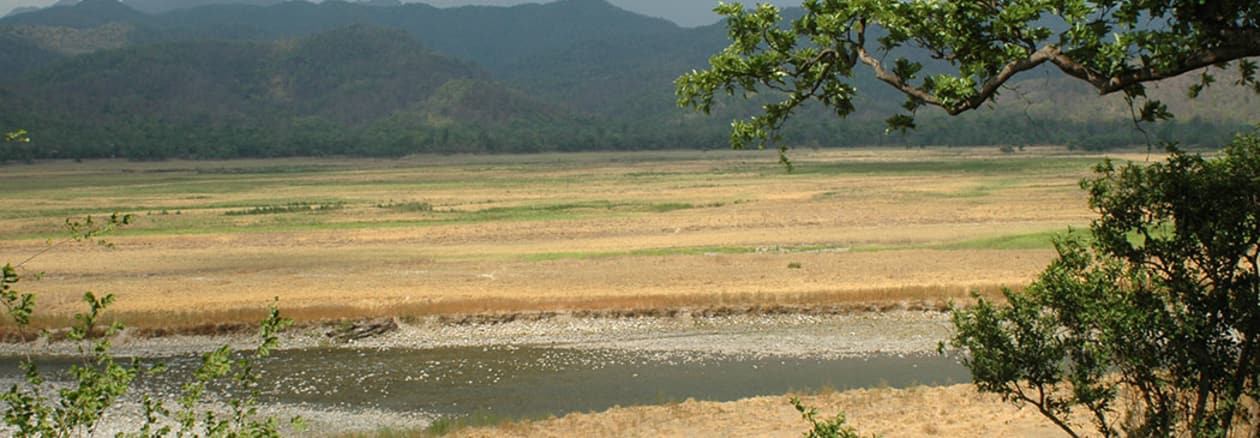
At the forefront of Uttarakhand’s wildlife offerings is the famous Jim Corbett National Park, India’s oldest national park, established in 1936. Nestled in the foothills of the Himalayas in Nainital and Pauri Garhwal districts, Corbett is a world-renowned sanctuary, especially for its population of the Bengal tiger. Beyond the majestic tiger, the park is home to Asian elephants, leopards, sambar deer, otters, and a rich diversity of birds, with over 600 species recorded. Visitors can embark on thrilling jeep safaris and nature walks, hoping to spot these incredible creatures in their natural habitat.
Rajaji National Park
To the west of Corbett lies Rajaji National Park, a lesser-known gem that stretches across the Shivalik ranges near Dehradun, Haridwar, and Rishikesh. Famous for its large herds of Asian elephants, Rajaji offers a more tranquil and intimate wildlife experience. The park is also home to tigers, leopards, and a variety of reptiles, including crocodiles. Jungle safaris take visitors deep into the forest, offering a chance to observe wildlife up close while enjoying the serene beauty of the region.
Nanda Devi and Valley of Flowers
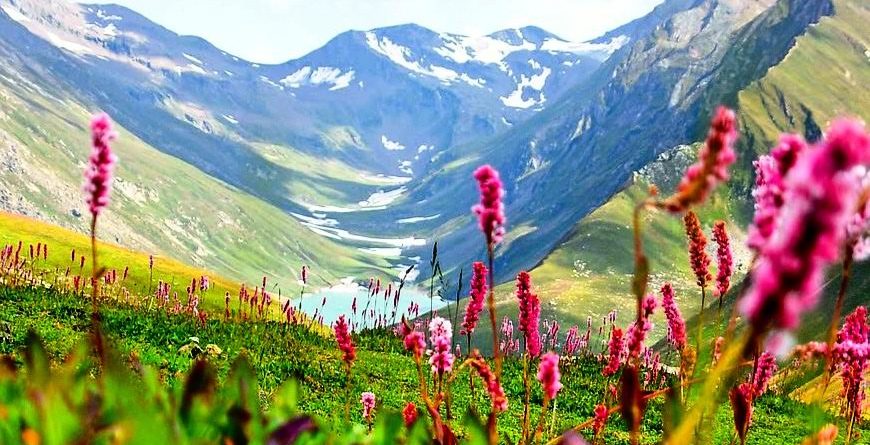
For the adventure-minded, Uttarakhand offers the Nanda Devi National Park and the stunning Valley of Flowers, both part of a UNESCO World Heritage Site. Located in the Chamoli district, these parks lie high in the Garhwal Himalayas. The Valley of Flowers comes alive during the monsoon season, with its vibrant display of rare alpine flowers like the Brahma Kamal. The park also shelters rare and endangered species like the snow leopard, musk deer, and Himalayan black bear. This ethereal valley has captivated nature lovers and trekkers from around the world, offering not only biodiversity but a spiritual connection with nature.
Binsar Wildlife Sanctuary
Perched in the Kumaon hills of Almora district, Binsar Wildlife Sanctuary offers a perfect retreat for those looking to escape into nature. With its panoramic views of the Himalayan range, including peaks like Nanda Devi and Trishul, Binsar is known for its peaceful environment. The sanctuary is home to leopards, wild boars, barking deer, and over 200 species of birds. Birdwatchers flock to Binsar to witness the colorful display of these birds as they flutter through the forests.
Askot Wildlife Sanctuary
Located in the Pithoragarh district near the Indo-Nepal border, Askot Wildlife Sanctuary is less known but equally fascinating. It is home to rare species such as the musk deer, snow leopard, and Himalayan black bear. This sanctuary also offers breathtaking views of the surrounding peaks and valleys, providing a peaceful retreat into nature.
Govind Wildlife Sanctuary
Govind Wildlife Sanctuary, located in the Uttarkashi district, is another must-visit wildlife destination in Uttarakhand. Famous for its alpine meadows and glaciers, the sanctuary shelters species such as the endangered snow leopard, brown bear, and the Himalayan tahr. It also offers trekking opportunities, with the Har Ki Dun trek being one of the most popular among adventurers.
Eco-Friendly Tourism and Conservation Efforts
Uttarakhand’s wildlife tourism is deeply rooted in eco-friendly practices and conservation efforts. The state has taken significant steps to ensure that its parks and sanctuaries remain well-protected, and that the impact of tourism on the environment is minimized. Visitors are encouraged to engage in responsible tourism practices, contributing to the protection of this pristine natural habitat. Many of the national parks and reserves also involve local communities in their conservation efforts, creating sustainable livelihoods while promoting environmental awareness.
Here are some frequently asked questions (FAQs) related to wildlife tourism in Uttarakhand:
What are the top wildlife tourism destinations in Uttarakhand?
- Jim Corbett National Park: Known for its tigers and diverse wildlife.
- Rajaji National Park: Famous for elephants, leopards, and various bird species.
- Nanda Devi Biosphere Reserve: A UNESCO World Heritage site, home to the rare Himalayan flora and fauna.
- Valley of Flowers National Park: A UNESCO World Heritage site with a rich collection of flora, fauna, and butterflies.
What is the best time to visit wildlife sanctuaries in Uttarakhand?
- The best time is typically from November to June, as the parks are open during this period. The summer months (March to June) are ideal for spotting animals as they gather near waterholes.
Do I need a permit to visit Uttarakhand’s wildlife parks?
- Yes, for most national parks like Jim Corbett or Rajaji, you need to book permits and entry tickets, which are available online or at the park’s entry gate. Prior bookings are recommended during peak tourist seasons.
Can I go on a safari in Uttarakhand’s wildlife parks?
- Yes, most of the major parks such as Jim Corbett National Park and Rajaji National Park offer jeep safaris, elephant rides, and bird-watching tours led by experienced guides.
What wildlife can be seen in Uttarakhand’s parks?
- Big cats (tigers and leopards), elephants, black bears, wild boars, deer (like sambar, chital, and barking deer), various species of birds, and rare flora like orchids, rhododendrons, and medicinal plants.
What are the accommodations available near wildlife parks?
- There are resorts, forest rest houses, tented camps, and eco-friendly cottages available near major wildlife parks, providing comfortable stays with easy access to safaris and nature trails.
Is Uttarakhand wildlife tourism safe for families and children?
- Yes, Uttarakhand’s wildlife parks have well-established safety protocols for tourists, including trained safari guides and guards. Family-friendly accommodations are also available.
Are there any specific guidelines or rules I need to follow while visiting wildlife parks?
- Follow park rules: Maintain silence, do not disturb wildlife, and avoid using flash photography.
- Stay in designated areas: Respect the park’s boundaries and rules.
- Eco-friendly practices: Avoid littering and take care of the environment.
Can I visit wildlife parks without a guide?
- It’s advisable to take a licensed guide to enhance your experience. They help with spotting wildlife and ensuring safety.
What else can I do apart from visiting the parks?
- Trekking, bird watching, nature walks, and exploring the local culture and villages are popular activities in and around the national parks.
How can I reach Uttarakhand’s wildlife parks?
- By Air: The nearest airports are in Dehradun (Jolly Grant Airport) and Pantnagar Airport.
- By Train: The main railway stations are Haridwar, Rishikesh, and Kathgodam, with connections to major cities.
- By Road: Uttarakhand has well-maintained roads, and you can hire cabs or travel by buses to reach the parks.
What precautions should I take while going on a wildlife safari?
- Wear comfortable clothes and sturdy footwear.
- Carry sunscreen, a hat, and insect repellent.
- Avoid wearing bright colors that may attract wildlife.
- Stay hydrated and carry sufficient water.
These FAQs should help plan a safe and enjoyable wildlife tourism experience in Uttarakhand!
Uttarakhand’s wildlife tourism offers more than just a glimpse into the wild; it’s a spiritual journey where nature reveals its untamed beauty. Whether watching a tiger prowl through the dense forests of Corbett, spotting a snow leopard in the alpine meadows of the Valley of Flowers, or quietly observing birds in the tranquil surroundings of Binsar, every moment in the wilds of Uttarakhand is a reminder of nature’s splendor.