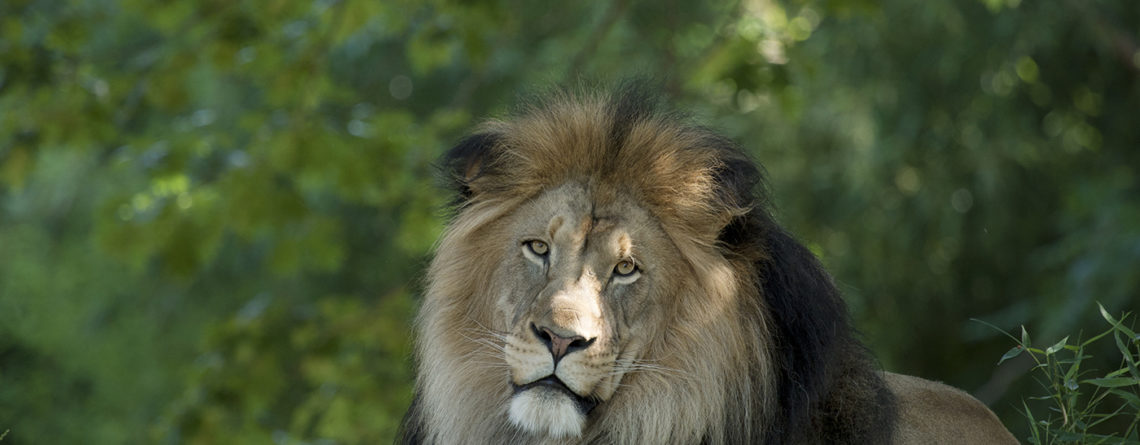
Uttarakhand Lion
The Endangered Asiatic Lion and Conservation Efforts
The Uttarakhand lion, often referred to as the Asiatic lion, is a subspecies of lion found primarily in the Gir Forest National Park in Gujarat, India. While Uttarakhand itself does not have a native population of lions, the state has historically been home to these magnificent creatures. However, conservation efforts are ongoing to restore and protect the lion population in their native habitats, including potential relocation projects.
Historical Context
Historically, lions roamed across the northern and central regions of India, including Uttarakhand. However, due to habitat loss and hunting, their numbers dwindled significantly. By the early 20th century, the population was largely confined to the Gir Forest area in Gujarat. The Asiatic lion is now listed as endangered, with ongoing conservation efforts to increase their population and preserve their habitat.
Characteristics of the Asiatic Lion
- Physical Appearance:
- Asiatic lions are slightly smaller than their African counterparts, with males weighing between 350 to 500 pounds and females weighing around 250 to 350 pounds.
- They possess a distinctive fold of skin along their bellies, giving them a unique appearance compared to African lions.
- Their manes are less developed, often shorter and sparser than those of African lions, with males typically displaying a dark mane that can vary in color.
- Behavior and Social Structure:
- Asiatic lions are social animals, living in prides consisting of related females, their cubs, and a few males.
- They are primarily nocturnal hunters, preying on deer, antelope, wild boar, and livestock.
- Communication among lions is achieved through vocalizations, body language, and scent marking.
Conservation Efforts
Due to their endangered status, extensive conservation efforts have been implemented to protect Asiatic lions. These include:
- Protected Areas:
- The Gir Forest National Park and surrounding protected areas in Gujarat are critical for the survival of the Asiatic lion population. Conservation programs aim to maintain and expand these habitats.
- Translocation Projects:
- To prevent the risk of disease and inbreeding, there have been proposals to relocate some lions from Gir to other areas, including Uttarakhand, where suitable habitats exist. This initiative aims to create new populations and diversify their genetic makeup.
- Community Engagement:
- Conservation efforts involve local communities, educating them about the importance of lions in the ecosystem and promoting coexistence with wildlife. Initiatives to reduce human-wildlife conflict are crucial for protecting both lions and local livelihoods.
While the Uttarakhand lion, or Asiatic lion, is no longer found in its historical range within the state, conservation efforts are working toward the protection and potential reintroduction of this majestic species. As a symbol of strength and grace, the Asiatic lion remains an essential part of India’s natural heritage. Through ongoing conservation measures and community involvement, there is hope for the future of lions in Uttarakhand and beyond.