Uttarakhand Bagh
The Majestic Leopard of Uttarakhand
The term Uttarakhand Bagh typically refers to the Uttarakhand leopard, an important and majestic predator native to the hilly regions of Uttarakhand, India. This beautiful big cat, scientifically known as Panthera pardus, plays a vital role in maintaining the ecological balance of its habitat. Below is a detailed overview of the Uttarakhand leopard, its characteristics, habitat, behavior, conservation status, and significance.
Characteristics of the Uttarakhand Leopard
Physical Appearance
-
- The Uttarakhand leopard has a robust body with a short, thick neck. Males generally weigh between 80 to 200 pounds, while females weigh between 60 to 140 pounds.
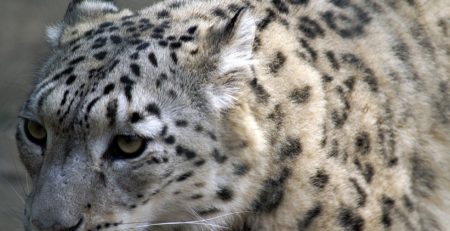
- They have a distinctive coat featuring rosettes and spots, which provide excellent camouflage in their natural habitat.
- Their long tail helps them maintain balance when navigating through trees and rugged terrain.
Habitat
-
- Leopards are highly adaptable and can thrive in diverse environments, including forests, grasslands, and mountainous regions.
- In Uttarakhand, they are commonly found in national parks and wildlife sanctuaries, such as Jim Corbett National Park, Nanda Devi National Park, and Rajaji National Park.
Behavior and Social Structure
-
- Leopards are solitary animals, with males and females coming together only during mating season.
- They are primarily nocturnal, spending the day resting in trees or dense foliage and becoming active at night to hunt.
- Their diet mainly consists of deer, wild boar, monkeys, and smaller mammals, but they can also prey on livestock, leading to human-wildlife conflict.
Conservation Status
The Uttarakhand leopard is listed as vulnerable on the International Union for Conservation of Nature (IUCN) Red List. Despite their adaptability, leopards face various threats:
- Habitat Loss: Deforestation, urbanization, and agricultural expansion have led to the degradation and fragmentation of their natural habitats.
- Human-Wildlife Conflict: As leopards encroach on human settlements in search of food, conflicts with livestock owners can result in retaliatory killings.
- Poaching and Illegal Trade: Leopards are often targeted for their beautiful pelts, bones, and other body parts, which are sold in illegal markets.
Conservation Efforts
To protect the Uttarakhand leopard, various conservation initiatives are underway:
- Protected Areas: National parks and wildlife sanctuaries play a crucial role in conserving leopard habitats and providing safe breeding grounds.
- Community Involvement: Engaging local communities in conservation efforts is essential. Awareness programs educate residents about the ecological role of leopards and promote coexistence.
- Monitoring and Research: Conservation organizations conduct studies on leopard populations, behavior, and habitat use to inform management strategies and policies.
Significance
The Uttarakhand leopard is not only a key predator in the ecosystem but also a cultural symbol representing the rich wildlife heritage of the region. Its presence indicates a healthy ecosystem, making leopard conservation crucial for maintaining biodiversity.
The Uttarakhand leopard is an iconic and vital species within the Himalayan ecosystem. As a top predator, it helps regulate prey populations and maintain the ecological balance. Ongoing conservation efforts and community engagement are essential to ensure the survival of this magnificent animal and its habitat in Uttarakhand. Protecting the Uttarakhand leopard is not just about preserving a species; it’s about safeguarding the natural heritage and ecological integrity of the region for future generations.