Top Wild Animals Found in Uttarakhand 🐾🌿
Uttarakhand is home to diverse wildlife, including the Bengal tiger, snow leopard, Asian elephant, Himalayan black bear, and musk deer. Its lush forests and high-altitude reserves, such as Jim Corbett and Nanda Devi, provide a sanctuary for these species, making it a paradise for wildlife lovers and nature enthusiasts.
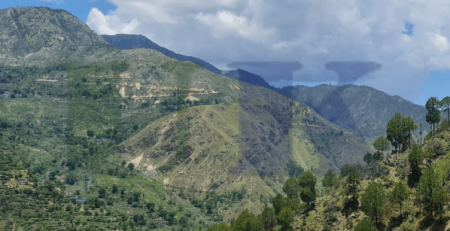
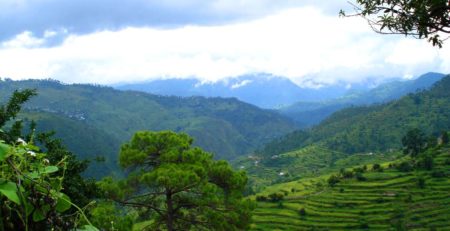
Uttarakhand, the “Land of Gods,” is not only known for its spiritual aura and breathtaking landscapes but also for its incredible wildlife. Nestled in the lap of the Himalayas, the state is home to an extraordinary range of wild animals, from the majestic Bengal tiger to the elusive snow leopard. The dense forests, alpine meadows, and rugged terrains of Jim Corbett National Park, Rajaji National Park, and Nanda Devi Biosphere Reserve provide a sanctuary to numerous species, making Uttarakhand a haven for nature lovers and wildlife enthusiasts.
Whether you’re an adventurer, photographer, or conservationist, exploring Uttarakhand’s wilderness is a thrilling experience. Let’s take a closer look at some of the top wild animals found in this region and the best places to spot them.
🐅 Bengal Tiger (Panthera tigris tigris) – The Royal Predator
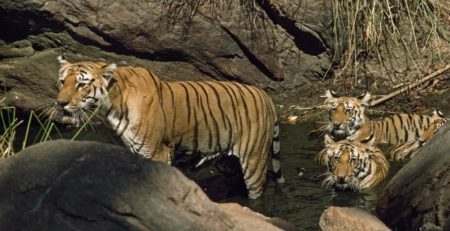
The Bengal Tiger, India’s national animal, is one of the most iconic and powerful big cats found in Uttarakhand. These majestic predators roam the dense jungles of Jim Corbett National Park, where they rule the food chain as apex predators. Their distinctive orange coat with black stripes provides excellent camouflage in the forest, making them stealthy hunters.
🔎 Interesting Facts:
✅ Tigers are excellent swimmers and often cool off in rivers and waterholes.
✅ They roar to mark territory, and their roar can be heard up to 3 km away.
✅ No two tigers have the same stripe pattern, making each one unique.
📍 Where to Spot: Jim Corbett National Park
🎯 Best Time to Visit: November to June
🐆 Snow Leopard (Panthera uncia) – The Ghost of the Himalayas
The snow leopard, known as the “Ghost of the Himalayas,” is one of the rarest and most elusive predators in the world. Found in the high-altitude regions of Uttarakhand, these solitary hunters are perfectly adapted to the freezing temperatures of Nanda Devi Biosphere Reserve and Gangotri National Park. Their thick fur, large paws, and powerful hind legs allow them to survive in some of the harshest conditions on Earth.
🔎 Interesting Facts:
✅ Snow leopards cannot roar like other big cats; instead, they make a yowl-like call.
✅ Their long tail, which is almost as long as their body, helps them maintain balance on rocky cliffs.
✅ These cats blend seamlessly into snowy terrain, making them nearly invisible to prey and humans.
📍 Where to Spot: Nanda Devi Biosphere Reserve, Gangotri National Park
🎯 Best Time to Visit: December to March
🐘 Asian Elephant (Elephas maximus) – The Gentle Giant
The Asian elephant, one of the largest land animals in the world, is a symbol of wisdom and strength. These intelligent and emotional creatures roam in herds across the dense forests of Rajaji National Park, where they can be seen bathing in rivers, foraging for food, or caring for their young. Elephants play a crucial role in maintaining the ecosystem by shaping their habitat as they move through the forest.
🔎 Interesting Facts:
✅ Elephants can communicate using low-frequency sounds that humans cannot hear.
✅ They have an excellent memory and can recognize places and individuals even after many years.
✅ A single adult elephant can eat up to 150 kg of food per day!
📍 Where to Spot: Rajaji National Park
🎯 Best Time to Visit: November to June
🐻 Himalayan Black Bear (Ursus thibetanus) – The Forest Wanderer
The Himalayan Black Bear is a large, stocky mammal found in the hilly and forested areas of Uttarakhand. These bears have a shiny black coat, a distinct white chest patch, and sharp claws, which help them climb trees. Though they are mostly herbivorous, they can be aggressive if threatened. During winter, they hibernate in caves to survive the extreme cold.
🔎 Interesting Facts:
✅ They have an excellent sense of smell, which helps them locate food from great distances.
✅ Despite their heavy body, they are excellent climbers and often rest in tree branches.
✅ These bears can stand on two legs for short periods, often to appear more intimidating.
📍 Where to Spot: Nanda Devi National Park, Kedarnath Wildlife Sanctuary
🎯 Best Time to Visit: April to October
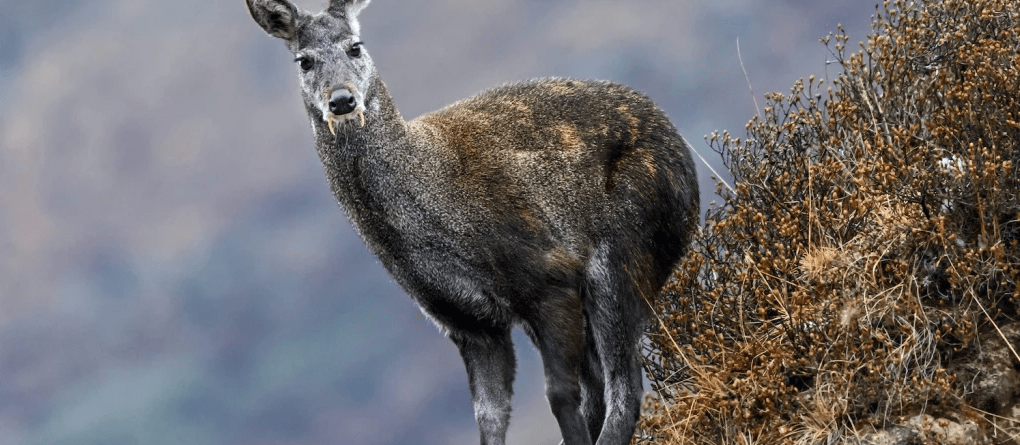
🦌 Musk Deer (Moschus chrysogaster) – The Precious Treasure of the Himalayas
The Musk Deer is a small, shy, and highly endangered species found in the higher altitudes of Uttarakhand. Unlike other deer species, male musk deer lack antlers but possess long canine teeth. These deer are hunted for their musk glands, which are used in traditional medicines and perfumes, making them one of the most poached animals in the world.
🔎 Interesting Facts:
✅ Musk deer can jump up to 4 meters high, helping them escape predators.
✅ Only male musk deer produce musk, which is one of the most valuable animal products.
✅ Their hooves have special adaptations that allow them to walk on snow.
📍 Where to Spot: Kedarnath Wildlife Sanctuary, Askot Wildlife Sanctuary
🎯 Best Time to Visit: May to September
🐆 Indian Leopard (Panthera pardus fusca) – The Stealthy Stalker
The Indian Leopard is a highly adaptable and elusive predator, known for its stealth and agility. These big cats can thrive in dense forests, rocky terrains, and even near human settlements. They are known for their golden-yellow coat with black rosettes, which provides perfect camouflage.
🔎 Interesting Facts:
✅ Leopards are stronger climbers than tigers and often drag their prey up trees.
✅ They have the widest distribution of any big cat species in India.
✅ Unlike tigers, leopards can survive in areas with fewer prey by eating smaller animals.
📍 Where to Spot: Jim Corbett National Park, Rajaji National Park
🎯 Best Time to Visit: October to June
🌿 Where to Spot Wildlife in Uttarakhand?
To witness Uttarakhand’s magnificent wildlife, visit its renowned national parks and wildlife sanctuaries:
✅ Jim Corbett National Park – Best for Bengal tigers, leopards, and elephants
✅ Rajaji National Park – Famous for elephants, leopards, and deer
✅ Nanda Devi Biosphere Reserve – Home to snow leopards, Himalayan bears, and red foxes
✅ Gangotri National Park – High-altitude sanctuary with musk deer and snow leopards
✅ Binsar Wildlife Sanctuary – Best for goral, monal birds, and Himalayan black bears
Frequently Asked Questions (FAQs) About Wildlife in Uttarakhand 🐾🌿
Which national park in Uttarakhand is best for spotting Bengal tigers?
Jim Corbett National Park is the best place to spot Bengal tigers in Uttarakhand. It is India’s oldest national park and has a high population of tigers, making it a prime location for wildlife safaris. The park also has diverse landscapes, including dense forests, rivers, and grasslands, which provide the perfect habitat for these majestic predators.
Where can I see snow leopards in Uttarakhand?
Snow leopards are elusive and rare but can be spotted in high-altitude regions like Nanda Devi Biosphere Reserve, Gangotri National Park, and Askot Wildlife Sanctuary. Winter months, especially December to March, offer the best chances of spotting them when they descend to lower altitudes in search of food.
What is the best time to visit Uttarakhand for wildlife safaris?
The ideal time for wildlife safaris in Uttarakhand varies depending on the park:
✅ Jim Corbett National Park & Rajaji National Park – November to June
✅ Nanda Devi & Gangotri National Park – March to June & September to December
✅ Binsar Wildlife Sanctuary – October to March
Are there any rare or endangered species found in Uttarakhand?
Yes, Uttarakhand is home to several rare and endangered species, including:
✔️ Snow Leopard (Panthera uncia) – High-altitude predator
✔️ Musk Deer (Moschus chrysogaster) – Hunted for its valuable musk gland
✔️ Himalayan Black Bear (Ursus thibetanus) – Vulnerable due to habitat loss
✔️ Asiatic Elephant (Elephas maximus) – Threatened by poaching and deforestation
Can I go on a wildlife safari in Uttarakhand?
Yes, Uttarakhand offers guided jeep safaris, canter safaris, and even elephant safaris in Jim Corbett National Park, Rajaji National Park, and other reserves. These safaris allow visitors to explore the diverse flora and fauna safely while enjoying an authentic jungle experience.
Is it safe to visit wildlife sanctuaries in Uttarakhand?
Yes, visiting wildlife sanctuaries in Uttarakhand is safe as long as you follow guidelines provided by the forest authorities. Always stay inside your safari vehicle, avoid loud noises, and never attempt to feed or disturb wild animals.
Which birds can be spotted in Uttarakhand’s wildlife reserves?
Uttarakhand is a birdwatcher’s paradise with over 600 bird species, including:
🐦 Himalayan Monal – Uttarakhand’s state bird
🦅 Golden Eagle – A powerful bird of prey
🦜 Khalij Pheasant – Found in forested regions
🦆 Brown Dipper – Seen near riverbanks and streams
How can I contribute to wildlife conservation in Uttarakhand?
You can help conserve Uttarakhand’s wildlife by:
🌱 Supporting eco-tourism and responsible travel
🛑 Avoiding poaching and illegal wildlife products
🌳 Participating in afforestation and habitat protection programs
📸 Spreading awareness through wildlife photography and education
Which is the largest wildlife sanctuary in Uttarakhand?
The Govind Wildlife Sanctuary is the largest sanctuary in Uttarakhand, covering around 958 square kilometers. It is home to diverse wildlife, including snow leopards, black bears, and Himalayan monals. The sanctuary also provides breathtaking views of the Har-Ki-Dun valley.
Are there any wildlife resorts in Uttarakhand for an immersive experience?
Yes, Uttarakhand has several wildlife resorts and eco-lodges near national parks, such as:
🏡 Jim’s Jungle Retreat (Jim Corbett National Park) – Luxury eco-resort with guided safaris
🏕 Wild Brook Retreat (Rajaji National Park) – Riverside stay for birdwatching and wildlife tours
🌳 Binsar Forest Retreat (Binsar Wildlife Sanctuary) – Eco-friendly retreat surrounded by dense forests
What precautions should tourists take while exploring Uttarakhand’s wildlife parks?
To ensure safety and minimize environmental impact, tourists should:
🚫 Avoid littering and using plastic
🤫 Stay silent and avoid disturbing animals
🔥 Never start a fire inside forests
🦺 Wear camouflage or neutral-colored clothing
📸 Use a zoom lens instead of getting too close to animals
What are some unique wildlife experiences in Uttarakhand?
Apart from regular safaris, visitors can enjoy:
🏕 Night Safari in Jim Corbett – Experience nocturnal wildlife activity
🦉 Birdwatching in Pangot and Sattal – Spot rare and migratory birds
🚶♂️ Trekking through Valley of Flowers – Walk through a UNESCO-listed biosphere reserve with endemic flora and fauna
Which rivers in Uttarakhand support rich aquatic wildlife?
Uttarakhand’s rivers, such as the Ganga, Yamuna, and Alaknanda, are home to aquatic species like:
🐊 Gharial (Gavialis gangeticus) – Found in Ramganga and Ganga rivers
🐟 Mahseer Fish – Popular among anglers for sport fishing
🐢 Indian Softshell Turtle – Seen along riverbanks and wetlands
Can I see Himalayan brown bears in Uttarakhand?
Yes, Himalayan Brown Bears (Ursus arctos isabellinus) can be spotted in Nanda Devi National Park, Gangotri National Park, and Kedarnath Wildlife Sanctuary. They are one of the rarest bear species, and sightings are more common in the summer months when they come out of hibernation.
Uttarakhand is a biodiversity hotspot that offers an incredible opportunity to witness some of India’s most magnificent wildlife in their natural habitat. From the majestic Bengal tigers of Jim Corbett National Park to the elusive snow leopards of Nanda Devi, the state is home to an array of rare and endangered species. Its lush forests, high-altitude meadows, and pristine rivers create the perfect sanctuary for wildlife lovers, adventure seekers, and nature enthusiasts alike.
Whether you’re exploring the dense jungles of Rajaji National Park, trekking through the Valley of Flowers, or birdwatching in Binsar Wildlife Sanctuary, every experience in Uttarakhand’s wilderness is nothing short of magical. The state’s commitment to wildlife conservation and eco-tourism ensures that these beautiful creatures continue to thrive for generations to come. For those looking to immerse themselves in the raw beauty of nature, Uttarakhand is the perfect destination. Plan your visit, embrace the wild, and be a part of the conservation efforts to protect these incredible species!