Sumitranandan Pant
Sumitranandan Pant, a celebrated Hindi poet, is known for his romanticism, philosophical insights, and contributions to the Chhayavaadi movement.
Sumitranandan Pant (20 May 1900 – 28 December 1977) was an eminent Indian poet and a significant figure in the Hindi literary world. He is celebrated for his contributions to the Chhayavaadi movement, which emphasized romanticism, idealism, and a deep connection with nature. His poetry, influenced by the beauty of the rural landscape, people, and the intrinsic beauty of life, has had a lasting impact on Hindi literature.
Early Life
Pant was born into a well-off family in Kausani, a scenic village in the Kumaon region of Uttarakhand. His father was the manager of a local tea garden and a landholder, ensuring a financially comfortable upbringing for Pant. His connection with the natural beauty and simplicity of rural India would later play a pivotal role in shaping his poetry. Growing up surrounded by the picturesque landscapes of the Himalayas, Pant’s poetry was deeply influenced by the serene hills, rivers, and forests.
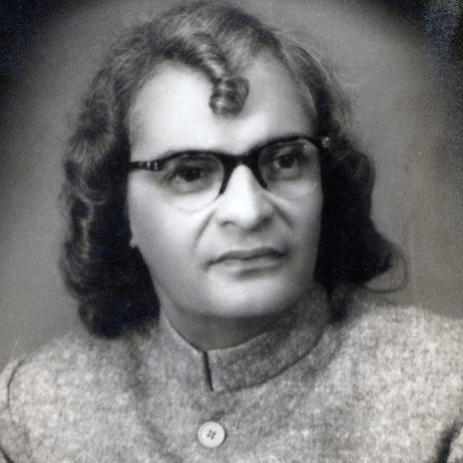
Pant began his education at Queens College in Banaras in 1918, where he was exposed to the works of famous writers like Sarojini Naidu, Rabindranath Tagore, and English Romantic poets. These readings significantly impacted his poetic style. In 1919, he moved to Allahabad to study at Muir College, but only attended for two years as a form of protest against British rule. He then turned his focus entirely to poetry and began to publish his work.
In 1926, Pant published Pallav, a poetry collection that helped establish his reputation as a leading figure in the Hindi renaissance, a movement initiated by poets like Jaishankar Prasad. In the book’s introduction, Pant expressed concern over the use of Braj Bhasha in Hindi literature and advocated for the modernization of Hindi as a national language.
Literary Career
Pant is considered one of the leading poets of the Chhayavaadi school of Hindi literature, known for its romantic and idealistic themes. He predominantly wrote in Sanskritized Hindi, creating works that delved deeply into nature, human emotions, and spirituality. His poetry is rich with metaphors and similes, making his compositions tender and melodious.
His literary work was not limited to romanticism. He also wrote progressive and philosophical poems, often influenced by social and political thinkers like Karl Marx and Mahatma Gandhi. During a nine-year stay in Kalakankar (1931-1939), Pant lived a secluded life close to nature. It was during this period that he explored the works of Marx and Gandhi, and wrote poetry reflecting the socio-political landscape of the time.
In the 1940s, Pant’s poetry began to evolve further, influenced by new psychological and experimental schools of thought. He was not one to stay confined to one genre or style. As David Rubin, a scholar and translator of Pant’s works, notes, Pant was ahead of his time and began experimenting with newer poetic forms before they became mainstream in Hindi literature.
Notable Works
Pant authored over twenty-eight works, including poetry, verse plays, and essays. Some of his most notable collections include:
- Chidambara – A collection of his most famous poems, which earned him the Jnanpith Award in 1968.
- Kala Aur Budhdha Chand – This work earned him the Sahitya Akademi Award in 1960.
- Pallav – His debut collection that marked the beginning of his literary career.
- Vasant – A poem celebrating the spring season, symbolizing new beginnings and hope.
- Mahapran Nirala – A tribute to his contemporaries and friends, including the famed poet Mahapran Nirala.
Pant’s poetry is filled with vivid imagery of the natural world, making the landscape come alive through his words. His works reflect a deep sense of spirituality and a philosophical exploration of life and existence.
Awards and Recognition
Pant received numerous accolades throughout his lifetime for his contribution to literature:
- Sahitya Akademi Award (1960) – For his work Kala Aur Budhdha Chand.
- Jnanpith Award (1968) – The highest literary honor in India, which he received for his poetry collection Chidambara. He was the first Hindi poet to receive this prestigious award.
- Padma Bhushan (1961) – A recognition by the Government of India for his exceptional contributions to literature.
Pant’s work remains a cornerstone of modern Hindi literature, and he is often regarded as one of the most influential poets in the language.

Death and Legacy
Sumitranandan Pant passed away on 28 December 1977 in Allahabad (now Prayagraj), Uttar Pradesh. His childhood home in Kausani, where he spent much of his early years, has been converted into a museum. The museum displays his personal belongings, drafts of his poems, letters, awards, and other memorabilia, serving as a tribute to his life and work.
Pant’s legacy endures through his poetry, which continues to inspire generations of readers and poets. His profound connection with nature, his exploration of human emotions, and his philosophical musings have made his works timeless, solidifying his place as a literary giant in the history of Hindi literature.