Snow Leopards
The Majestic Big Cats of Uttarakhand
Snow Leopards (Panthera uncia) are one of the most captivating and elusive big cats found in the high-altitude regions of the Himalayas, including Uttarakhand. Known for their striking appearance and incredible adaptability, these majestic creatures are integral to the ecosystem of their mountainous habitats. Below is a comprehensive overview of snow leopards, focusing on their characteristics, habitat, behavior, conservation status, and significance.
Characteristics of Snow Leopards
Physical Appearance:
-
- Snow leopards are medium-sized cats, weighing between 60 to 120 pounds, with males typically larger than females.
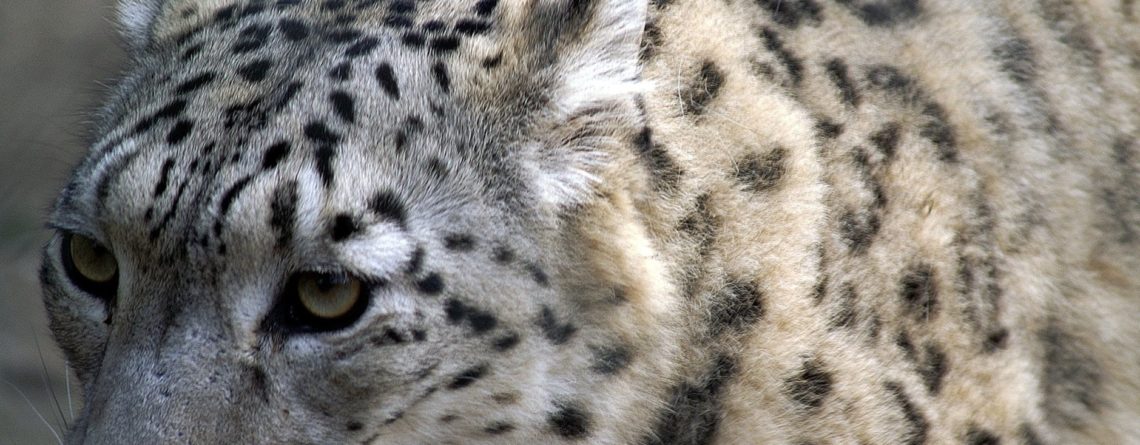
- They have thick, smoky-gray fur with black rosettes and spots, which provide excellent camouflage against the rocky terrain.
- Their long tail, which can be as long as their body, helps them maintain balance while navigating steep and uneven surfaces.
Adaptations:
-
- Snow leopards are well-adapted to their cold, rugged habitats. They have large nasal cavities to warm the cold air they breathe and thick fur on their paws to insulate against the cold.
- Their eyes are uniquely adapted for low-light conditions, allowing them to see well during dusk and dawn when they are most active.
Habitat
- Snow leopards inhabit the mountainous regions of Central and South Asia, including the high-altitude ranges of Uttarakhand, where they can be found at elevations between 3,000 to 4,500 meters.
- They prefer rocky outcrops, steep cliffs, and alpine meadows, where they can effectively hunt for prey and avoid detection.
Behavior and Social Structure
- Snow leopards are primarily solitary animals, except during mating season or when a mother is raising her cubs.
- They are crepuscular, meaning they are most active during the twilight hours, utilizing their camouflage to stalk prey.
- Their diet primarily consists of mountain goats, sheep, and smaller mammals, which they hunt using stealth and powerful leaps.
Conservation Status
Snow leopards are classified as vulnerable by the International Union for Conservation of Nature (IUCN). Several factors threaten their survival:
- Habitat Loss: Climate change, deforestation, and human encroachment are leading to habitat degradation and fragmentation, limiting their range.
- Poaching: Snow leopards are hunted for their beautiful pelts and are often victims of poaching, driven by the illegal wildlife trade.
- Human-Wildlife Conflict: As their natural prey becomes scarce, snow leopards sometimes prey on livestock, leading to retaliatory killings by herders.
Conservation Efforts
To protect snow leopards and their habitats, various initiatives are in place:
- Protected Areas: National parks and wildlife sanctuaries, such as Nanda Devi National Park in Uttarakhand, play a crucial role in conserving snow leopard habitats and providing safe breeding grounds.
- Community Involvement: Engaging local communities in conservation efforts is essential. Programs educate residents about the ecological importance of snow leopards and promote coexistence strategies, including compensation schemes for livestock losses.
- Research and Monitoring: Conservation organizations conduct research on snow leopard populations, movement patterns, and genetics to inform effective management strategies.
Significance
Snow leopards are apex predators, playing a vital role in maintaining the balance of their ecosystems. As indicators of ecosystem health, their presence signifies a well-functioning environment. Additionally, they hold cultural significance for local communities and are often regarded as symbols of the majestic Himalayan wilderness.
Snow leopards are iconic and crucial members of Uttarakhand’s wildlife heritage. Their striking beauty and elusive nature make them a focal point for conservation efforts in the region. Protecting snow leopards not only helps preserve a magnificent species but also contributes to the overall health of the high-altitude ecosystems they inhabit. Through ongoing conservation initiatives and community engagement, there is hope for the future of these remarkable big cats in Uttarakhand and beyond.