Rudraprayag
“In the sacred confluence of rivers and the embrace of the mighty Himalayas, Rudraprayag stands as a testament to spiritual serenity, where every pilgrim finds peace and every moment echoes the divine.”
Rudraprayag, nestled in the lap of the majestic Himalayan ranges, is a town and municipality in the Rudraprayag district of Uttarakhand, India. Famous for its sacred significance, it is one of the five confluences of the Alaknanda River, where the Alaknanda and Mandakini rivers merge. The town is a gateway to the revered Kedarnath Temple, located 86 km away. This picturesque town has an intriguing mix of spirituality, history, and natural beauty, making it a must-visit destination for pilgrims and travelers alike.
Historical Significance
Rudraprayag’s name is derived from Lord Shiva, also known as Rudra in Hindu mythology, and the town is believed to be the site where Narada Muni once meditated and learned the art of music from Lord Shiva. This connection to ancient Hindu mythology adds to its spiritual charm.
Rudraprayag is also known for its association with the famous man-eating leopard of Rudraprayag, which was chronicled by the legendary Jim Corbett. The region has thus played a prominent role in the cultural and spiritual landscape of Uttarakhand.
Geography and Climate
Rudraprayag is located at 30.28°N and 78.98°E, with an average elevation of 895 meters (2,936 feet). The town is beautifully situated at the confluence of the Alaknanda and Mandakini rivers, offering picturesque views of the surrounding Himalayan terrain. The area is prone to earthquakes and falls under Seismic Zone V.
The town experiences a monsoon-influenced climate, with warm summers, heavy rainfall during the monsoon, and cold, snowy winters. The weather plays a significant role in shaping the region’s spiritual atmosphere, making it a serene escape for those seeking peace and tranquility.
Demographics
As per the 2011 census, the population of Rudraprayag is approximately 9,313, with a male population of 5,240 and a female population of 4,073. The town has a high literacy rate of 89.42%, with male literacy at 93.43% and female literacy at 84.24%. The majority of the population practices Hinduism (95.16%), while a small percentage follows Islam (4.37%).
How to Reach
- By Air: The nearest airport is Dehradun Airport, located about 183 km from Rudraprayag.
- By Rail: The nearest railway station is at Rishikesh, which is connected to major cities in India. Rishikesh acts as the railhead for Rudraprayag.
- By Road: Rudraprayag is well-connected by road via National Highway NH58, which links Delhi to Badrinath and the Indo-Tibet border. Regular buses operate from Rishikesh to Rudraprayag, making it accessible for pilgrims and tourists.
Notable Places to Visit
Rudraprayag is home to several important temples and spiritual sites:
- Rudranath Temple: This temple dedicated to Lord Shiva is located at the confluence of the Alaknanda and Mandakini rivers. It is believed to be the site where Narada Muni worshipped Lord Shiva and learned the art of music.
- Dhari Devi Mandir: Situated at Kalyasaur, it is a revered temple dedicated to the goddess Dhari Devi, the guardian deity of the region.
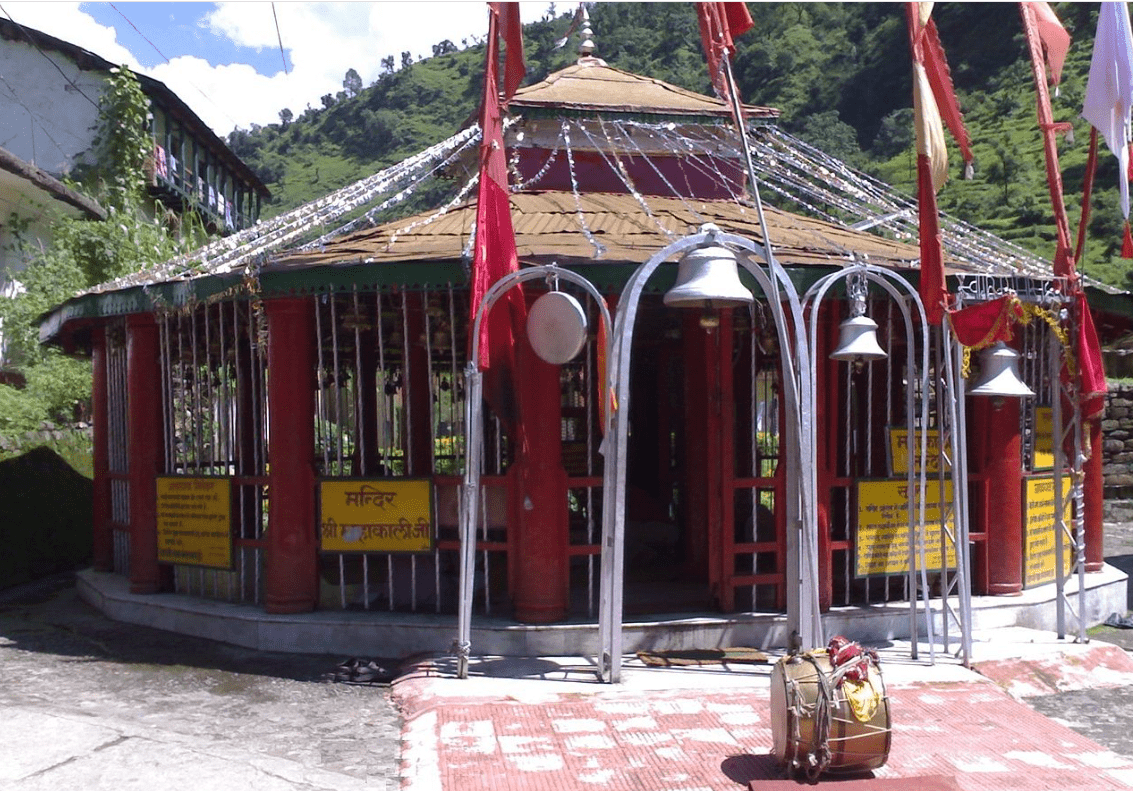
- Chamunda Devi Temple: Located at the confluence of the Alaknanda and Mandakini rivers, this temple is dedicated to Goddess Chamunda, the wife of Rudra.
- Koteshwar Temple: A Shiva temple nestled in natural caves, it offers a serene environment for meditation.
- Tungeshwar Mahadev Ji: A temple steeped in legend, it is believed that the Pandavas visited here for penance.
- Kartik Swami Temple: Dedicated to Kartikeya, son of Shiva, this temple offers breathtaking views of the snow-clad Himalayan peaks.
- Basukedar: This village is said to be the place where Lord Shiva stayed before proceeding to Kedarnath. It is known for its ancient Shiva temple constructed by the Pandavas.
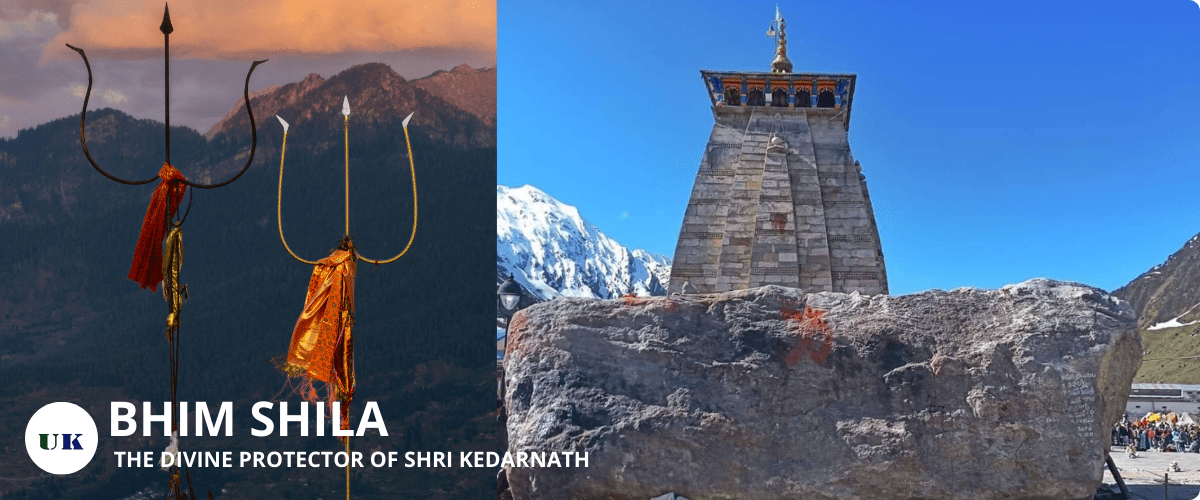
- Kedarnath Temple: Located further from Rudraprayag, Kedarnath is one of the 12 Jyotirlingas of Lord Shiva. The temple, built by the Pandavas, is a major pilgrimage site and attracts thousands of devotees each year.
The 2013 Uttarakhand Floods
Rudraprayag and its surrounding areas were severely affected by the devastating floods of 2013, which caused widespread destruction. Many buildings, roads, and bridges, including a footbridge over the Mandakini river, were washed away. However, the town is gradually recovering, and the spiritual and cultural heritage continues to draw visitors from all over.
If you’re looking for RTI filing services in Rudraprayag, you can easily access them through our trusted legal partner site, RTIGuru. They provide comprehensive assistance for filing RTI applications, including drafting guidance, tracking, and tutorials to make the process smooth and straightforward.
Rudraprayag is a unique blend of spirituality, nature, and history. Whether you are a pilgrim seeking divine blessings or a traveler exploring the beauty of the Himalayas, Rudraprayag offers something for everyone. Its peaceful ambiance, coupled with the charm of its sacred sites and scenic beauty, makes it a remarkable destination in Uttarakhand.
Here are some frequently asked questions (FAQs) about Rudraprayag:
What is Rudraprayag famous for?
Rudraprayag is famous for its spiritual significance as one of the Panch Prayag (five confluences) of the Alaknanda River. It is also renowned for its temples, including the Rudranath Temple and its proximity to Kedarnath, a major Hindu pilgrimage site.
How do I reach Rudraprayag?
- By Air: The nearest airport is Dehradun Airport, which is 183 km away from Rudraprayag.
- By Rail: The nearest railway station is Rishikesh, which is connected to major cities. From Rishikesh, buses or taxis can take you to Rudraprayag.
- By Road: Rudraprayag is accessible via National Highway NH58, connecting Delhi with Badrinath. Buses operate from Rishikesh and Haridwar to Rudraprayag.
What are the major temples in Rudraprayag?
- Rudranath Temple: Dedicated to Lord Shiva, located at the confluence of the Alaknanda and Mandakini rivers.
- Kartik Swami Temple: A temple dedicated to Kartikeya, accessible via a 3 km trek from Kanak Chauri village.
- Chamunda Devi Temple: Situated at the confluence of the Alaknanda and Mandakini rivers.
- Dhari Devi Mandir: Located at Kalyasaur, a major pilgrimage site.
- Koteshwar Temple: A cave temple dedicated to Lord Shiva.
What is the best time to visit Rudraprayag?
The best time to visit Rudraprayag is between March to June (summer months) and September to November (post-monsoon) when the weather is pleasant for sightseeing and trekking.
Is Rudraprayag affected by the monsoon?
Yes, Rudraprayag, like other hill stations, is affected by the monsoon, with heavy rainfall between July and August. This can lead to landslides and disruptions in travel, so it is advisable to avoid visiting during this time.
What are the nearby attractions to visit?
- Kedarnath Temple: A major pilgrimage site located 86 km away from Rudraprayag.
- Basukedar: A village with an ancient Shiva temple, believed to be the place where Lord Shiva stayed before proceeding to Kedarnath.
- Tungeshwar Mahadev Ji: A temple with a rich folklore and connection to the Pandavas.
- Rishikesh: A popular spiritual destination known for yoga and adventure sports, located 141 km from Rudraprayag.
Is there accommodation available in Rudraprayag?
Yes, Rudraprayag has several hotels, guesthouses, and dharamshalas (pilgrim accommodations) catering to tourists and pilgrims. However, during the peak pilgrimage season, it is advisable to book accommodation in advance.
How far is Rudraprayag from Rishikesh?
Rudraprayag is approximately 141 km away from Rishikesh, and it takes around 6-7 hours to reach by road.
What is the significance of the Rudraprayag confluence?
The confluence of the Alaknanda and Mandakini rivers at Rudraprayag holds great spiritual importance in Hinduism. It is one of the Panch Prayag and is believed to be the meeting point of two sacred rivers, amplifying its spiritual energy.
What should I pack for my trip to Rudraprayag?
It is recommended to pack comfortable walking shoes, light woolens (if visiting during winter), rain gear (during the monsoon), and sunscreen. If you plan to trek, don’t forget to bring trekking gear like a hat, sunglasses, and a water bottle.