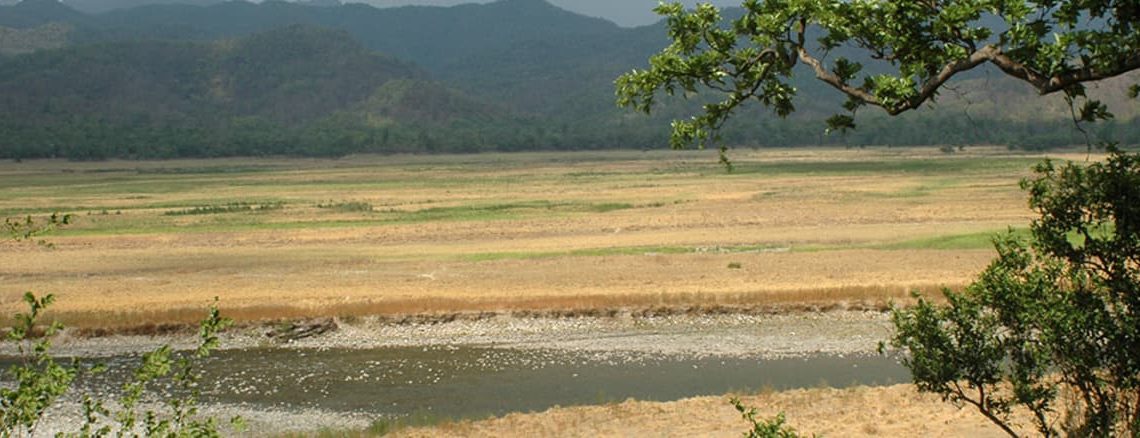
Rajaji National Park
Rajaji National Park, located in Uttarakhand, India, spans 820 km² across Haridwar, Dehradun, and Pauri Garhwal districts. Known for its diverse wildlife, it became a tiger reserve in 2015. The park, named after C. Rajagopalachari, offers eco-tourism activities like safaris and trekking amidst the Shivalik hills.
Rajaji National Park is a renowned national park and tiger reserve located in the state of Uttarakhand, India. Spanning an area of 820 km² (320 sq mi), it encompasses the foothills of the Shivalik Range, near the foothills of the Himalayas, and is spread across three districts of Uttarakhand—Haridwar, Dehradun, and Pauri Garhwal. Rajaji National Park was formed in 1983 when three wildlife sanctuaries—Chilla, Motichur, and Rajaji—were merged into one large conservation area.
Historical Significance
The park is named after C. Rajagopalachari, fondly known as Rajaji, who was a prominent leader in the Indian Freedom Struggle. Rajaji served as the first and last Governor-General of independent India and was one of the first recipients of India’s highest civilian award, the Bharat Ratna, in 1954.
Tiger Reserve Status
Rajaji National Park has recently been granted the status of a tiger reserve by the Union Government of India. This makes it the second tiger reserve in Uttarakhand, after the famous Corbett Tiger Reserve. Rajaji is now the 48th tiger reserve in India.
The government’s proposal included expanding the protected area to approximately 1150 km², which includes the core area of Rajaji National Park and buffer zones from the Shyampur range of the Haridwar forest division, along with parts of the Kotdwar and Laldhang forest divisions. This expansion aims to enhance tiger conservation efforts and provide a larger habitat for the Bengal tigers and other wildlife species in the region.
Biodiversity and Flora
Rajaji National Park is known for its diverse flora and fauna. The park’s ecosystem includes rich forests of Sal, Teak, Khair, and Bamboo at lower elevations, which transition into Oak, Rhododendron, and Coniferous trees at higher altitudes. The park is home to a variety of wildlife species including:
- Tigers, which have become the primary focus of conservation efforts after the park’s designation as a tiger reserve.
- Asian Elephants, which migrate through the park and are a significant part of the region’s wildlife.
- Leopards, Himalayan Black Bears, Wild Boar, and a variety of deer species, such as Spotted Deer, Sambar, and Chital.
- Numerous bird species, including the Indian Peafowl, Golden Eagle, and Pallass Fish Eagle.
Eco-Tourism and Activities
Rajaji National Park is not only a vital conservation area but also an eco-tourism destination, attracting wildlife enthusiasts, trekkers, and nature lovers. The park offers several activities, including:
- Jungle Safaris to explore its rich wildlife.
- Bird Watching opportunities for avian enthusiasts.
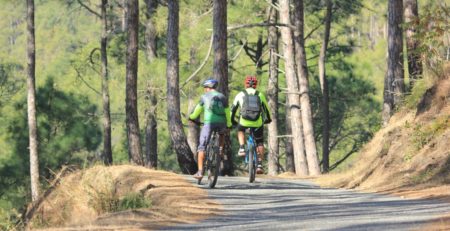
- Trekking through the picturesque forest trails and hills.
The park is also famous for its Haridwar proximity, with the town being a major spiritual center for visitors. The nearby Ganges River adds to the scenic beauty and tranquility of the park.
Rajaji National Park is a vital part of India’s ecological landscape. With its newly granted status as a tiger reserve, it has become a crucial area for the protection of Bengal Tigers and other endangered species. The combination of its rich biodiversity, scenic beauty, and historical significance makes Rajaji National Park a valuable natural asset for India’s environmental heritage.