Pithoragarh
“Pithoragarh, nestled in the lap of the Himalayas, is a town where history, culture, and natural beauty converge to create an unforgettable experience.”
Pithoragarh, located in the stunning Kumaon region of Uttarakhand, India, is a beautiful Himalayan town that offers a blend of natural beauty, rich history, and cultural heritage. Serving as the largest hill town in the Kumaon Division, Pithoragarh stands as a serene getaway for travelers seeking peace amidst nature. With its pristine landscapes, ancient temples, and historical significance, this town is not just a place, but an experience.
The Origin of Pithoragarh Name
The name “Pithoragarh” is derived from the fort built by Piru, also known as Prithvi Gosain, during the reign of the Chand Rajas of Kumaon. This fort, originally called “Prithvigarh,” was constructed to fortify the region, and over time, the name evolved into Pithoragarh. This transformation of the name reflects the region’s rich historical tapestry and its connection to ancient legends and traditions.
A Rich Historical Journey
Pithoragarh’s history dates back to ancient times. It was once part of the Manaskhand region, extending from the Kailash Mountain to Bhabar & Terai, as described in the Skanda Purana. Over the centuries, it has seen the rise and fall of various dynasties, each leaving its mark on the region. Early inhabitants included the Asuras, Nagas, Kiratas, and the Kunindas. The Kuninda Kings, who might have been vassals to the Kushana Empire, ruled this area in the 1st century AD.
The region later came under the control of the Katyuri dynasty, known for their cultural contributions, including the construction of the Kasni temples in the 11th century. However, after the Katyuris’ decline in the 13th century, the Bam kings of Saur ruled the region, maintaining feudal ties with the Doti kings.
The 15th century brought a shift when King Bharti Chand of Kumaon defeated the Doti rulers, consolidating power over Pithoragarh and the surrounding areas. This period also saw the rise of the Chand dynasty, which brought prosperity, art, and culture to the region. Pithoragarh became a significant political and cultural center under their rule.
During the 18th century, the Chand kings built a fort at the site of the present-day Girls Inter College. This fort, though destroyed by the Indian government in 1962 after the Sino-Indian war, once stood as a testament to the grandeur of the Chand dynasty.
Pithoragarh in Modern Times
The town’s historical importance didn’t fade with time. In the early 20th century, Pithoragarh played a pivotal role in India’s struggle for independence. The establishment of a local branch of the Indian National Congress in 1912 marked the beginning of an active political movement. Many from the region participated in the Non-cooperation Movement, the Civil Disobedience Movement, and the Quit India Movement, contributing to India’s ultimate independence in 1947.
Geography
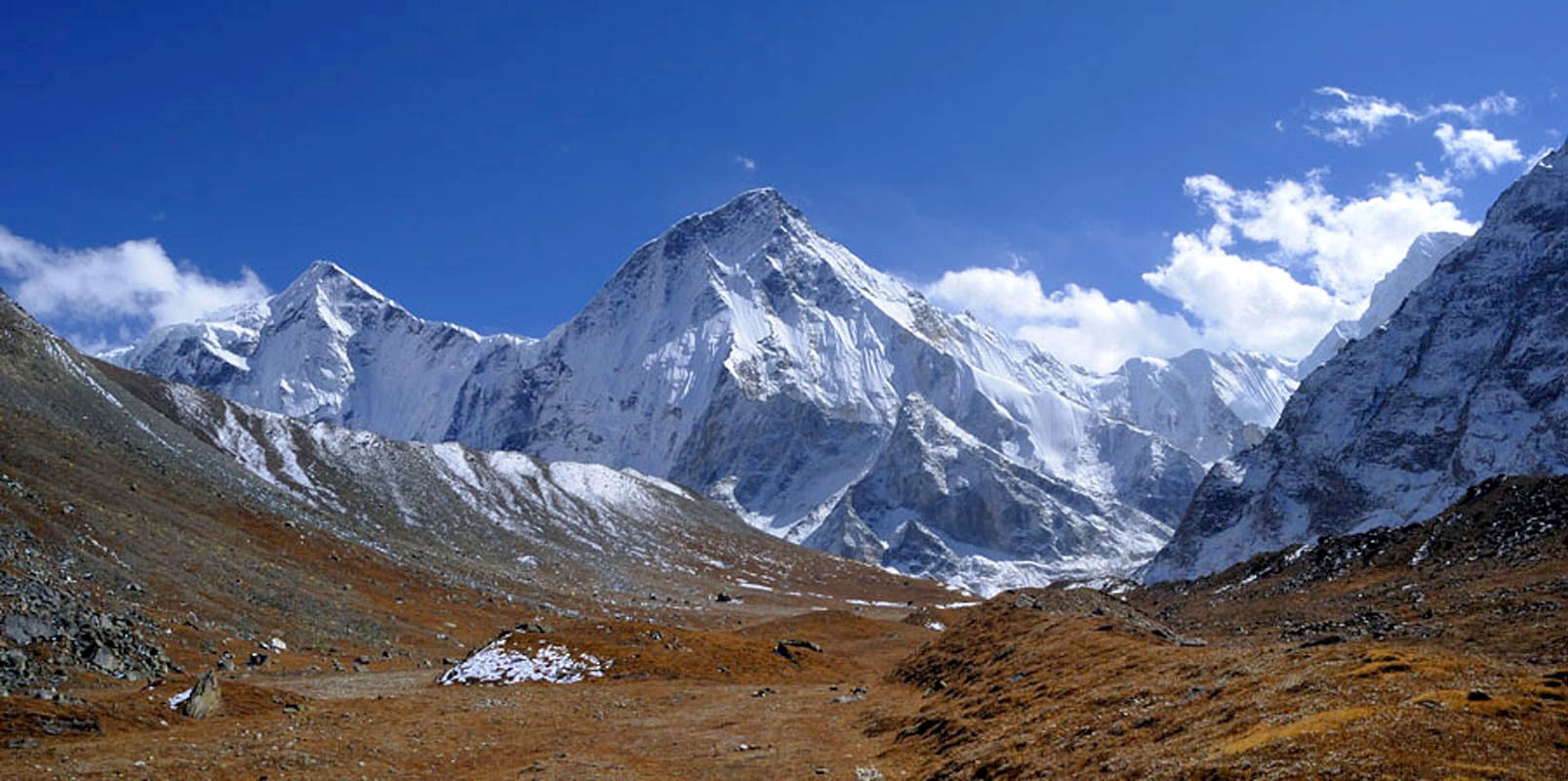
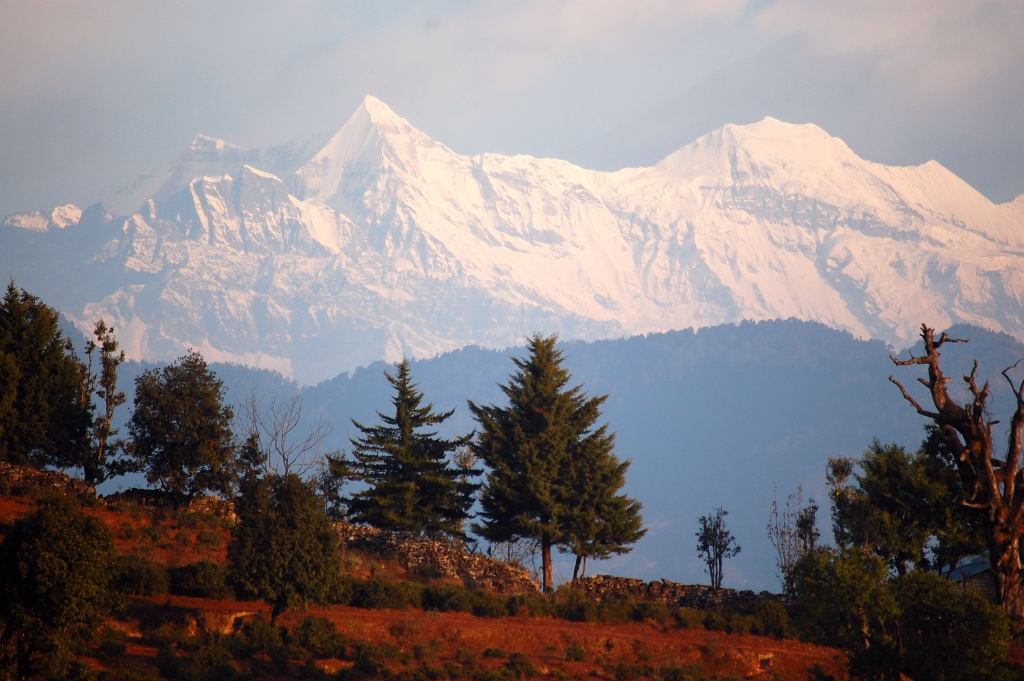
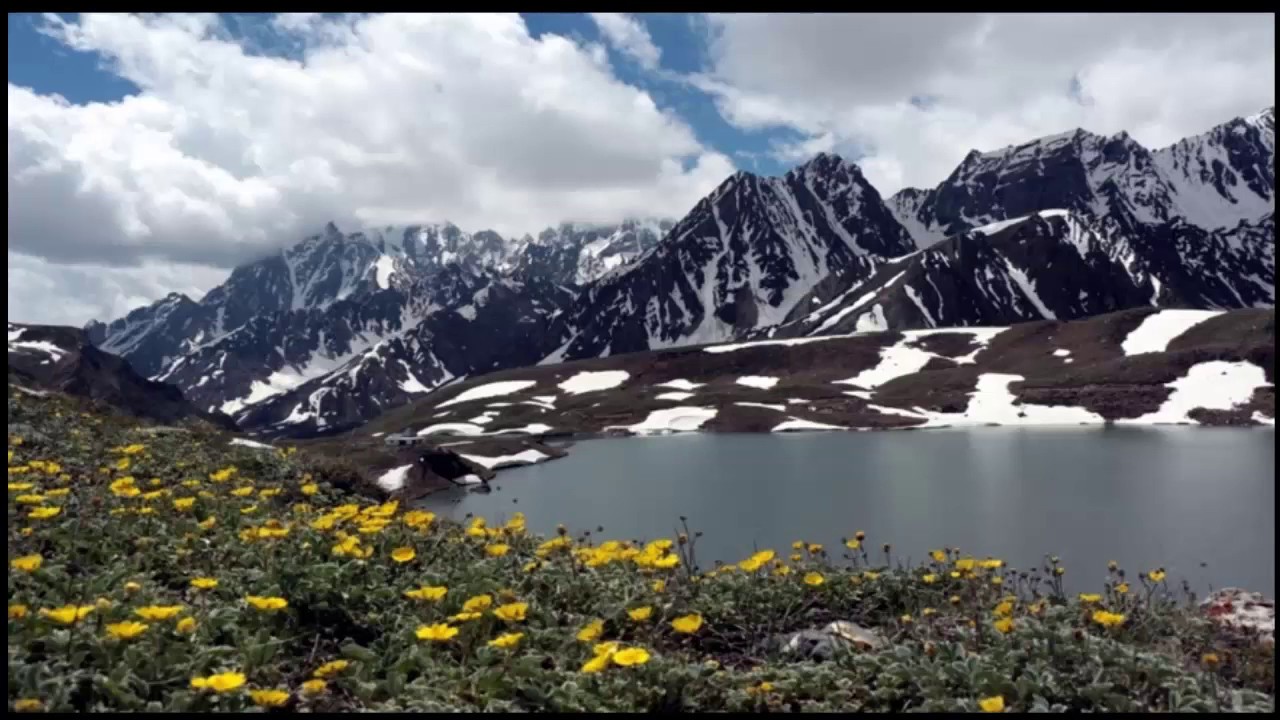
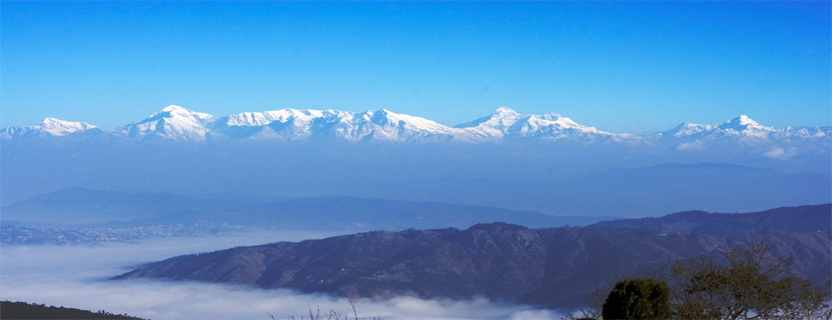
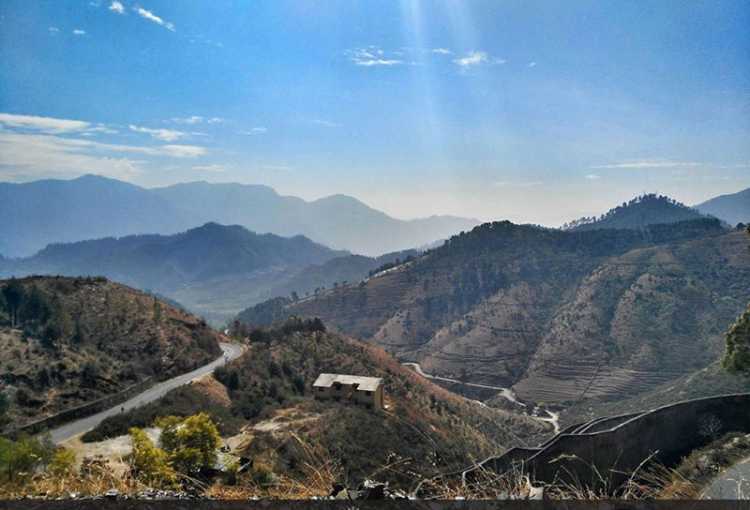
Nestled in the heart of the Kumaon region, Pithoragarh is located at an elevation of 1,627 meters (5,338 feet) above sea level. The town is situated in the Saur Valley, surrounded by lush green hills, clear rivers, and snow-capped peaks. The region’s natural beauty is nothing short of mesmerizing, with a diverse range of flora and fauna that attracts nature lovers and adventure enthusiasts alike.
Pithoragarh lies in seismic zone V, making it vulnerable to earthquakes. Despite this, the region remains relatively safe from other natural calamities like floods and cyclones. It is also known for its pleasant weather, with warm summers, humid monsoons, and cold winters. The town experiences snowfall during the winter months, adding a magical charm to its landscape.
Climate
Pithoragarh experiences a monsoon-influenced climate with distinct seasonal changes. Summers are moderately warm, with occasional thunderstorms, while the monsoon season brings heavy rainfall, which transforms the region into a lush green paradise. The autumn season offers pleasant temperatures and sunny weather, while winter is cold with crisp mornings and light snowfall in the higher regions.
Attractions and Activities
Pithoragarh is a treasure trove of historical sites, natural beauty, and adventure. Some of the top attractions include:
- Pithoragarh Fort (London Fort): Located on a hilltop, this historic fort provides panoramic views of the town and surrounding mountains. Although partially destroyed, it remains a symbol of the region’s glorious past.
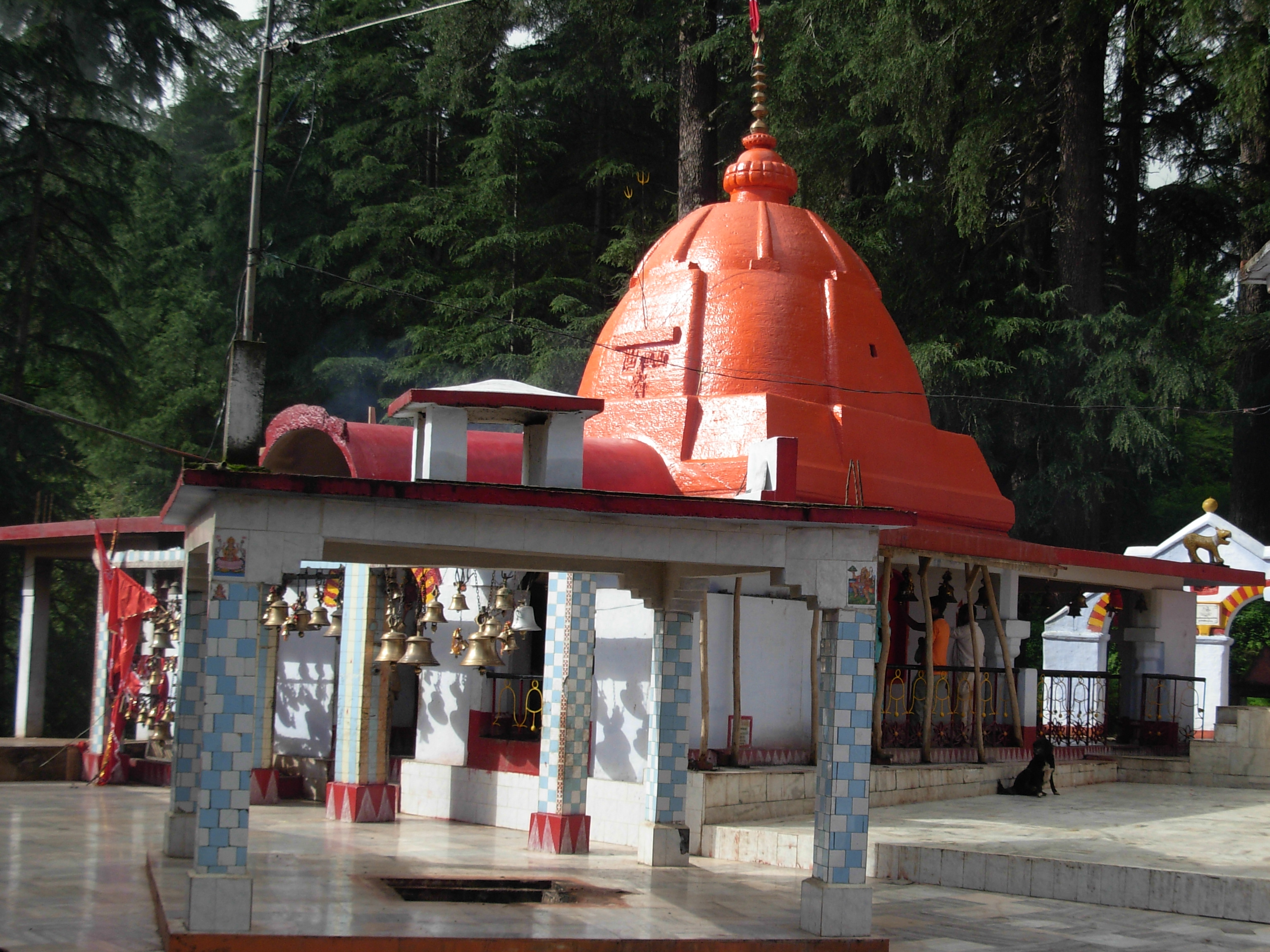
- Kasni Temples: These ancient temples, dating back to the 11th century, offer a glimpse into the rich architectural heritage of the Katyuri kings. They are located about 3 km from the town center and are a must-visit for history enthusiasts.
- Jagir Khet Waterfall: A picturesque waterfall near the town, perfect for nature lovers and those seeking tranquility. It’s a great spot for a relaxing retreat.
- Munsyari: Just a short drive from Pithoragarh, Munsyari is a popular hill station known for its trekking routes, offering spectacular views of the Panchachuli peaks.
- Tungnath Temple: While not in Pithoragarh itself, the Tungnath Temple, dedicated to Lord Shiva, is a renowned trek destination for adventure seekers.
If you’re looking for RTI filing services in Pithoragarh, you can easily access them through our trusted legal partner site, RTIGuru. They provide comprehensive assistance for filing RTI applications, including drafting guidance, tracking, and tutorials to make the process smooth and straightforward.
Pithoragarh, with its rich history, stunning landscapes, and cultural significance, is more than just a hill town—it’s a destination that offers a blend of history, adventure, and natural beauty. Whether you’re exploring its ancient temples, trekking through its rugged hills, or simply enjoying the peaceful environment, Pithoragarh offers something for everyone. A visit to this charming town is a journey through time, nature, and culture, making it an unmissable destination in the Kumaon region.
Frequently Asked Questions (FAQs) about Pithoragarh
Where is Pithoragarh located?
Pithoragarh is a town in the Kumaon region of Uttarakhand, India, situated in the western part of the state, near the borders of Nepal and Tibet. It is 188 km northeast of Nainital, the administrative headquarters of Kumaon.
What is the significance of the name “Pithoragarh”?
The name “Pithoragarh” is derived from “Prithvigarh,” which was the name of a fort built by Prithvi Gosain, a local ruler. Over time, the name evolved into Pithoragarh.
What is the historical importance of Pithoragarh?
Pithoragarh has been an important center throughout history, from its early days under the Kuninda Kings to the rule of the Katyuris, Bam kings, and the Chand dynasty. It also played a significant role in India’s independence movement.
What are some top tourist attractions in Pithoragarh?
Key attractions include:
- Pithoragarh Fort (London Fort): Offering panoramic views of the town.
- Kasni Temples: Ancient 11th-century temples built by the Katyuri kings.
- Jagir Khet Waterfall: A scenic waterfall perfect for nature lovers.
- Munsyari: A nearby hill station known for trekking and views of the Panchachuli peaks.
What is the climate like in Pithoragarh?
Pithoragarh has a monsoon-influenced climate with warm summers, humid monsoons, and cold winters. The region experiences occasional snowfall in the winter months and a pleasant autumn season.
What is the altitude of Pithoragarh?
Pithoragarh is located at an average elevation of 1,627 meters (5,338 feet) above sea level.
How is the transportation system in Pithoragarh?
Pithoragarh is well-connected by road to major cities in Uttarakhand and nearby regions. The nearest railway station is in Tanakpur, about 87 km away. The nearest airport is Pantnagar Airport, about 200 km from the town.
Is Pithoragarh a safe place to visit?
Pithoragarh is generally considered safe for tourists. However, like any mountainous region, travelers should be cautious of weather conditions and ensure they follow safety guidelines, especially during the monsoon and winter seasons.
What is the best time to visit Pithoragarh?
The best time to visit Pithoragarh is during the spring (March to June) and autumn (September to November) months when the weather is pleasant and ideal for sightseeing and trekking.
What are some nearby destinations to visit from Pithoragarh?
Some nearby destinations include:
- Munsyari: A hill station with trekking routes and views of the Panchachuli peaks.
- Tungnath Temple: One of the highest Shiva temples, popular among trekkers.
- Almora: Known for its rich cultural heritage and stunning views of the Himalayas.
What is the region’s main economy?
The economy of Pithoragarh is primarily based on agriculture, with crops such as rice, maize, and fruits like apples and apricots. The town also has a growing tourism industry, supported by its natural beauty and historical significance.
What are the local languages spoken in Pithoragarh?
The local languages spoken in Pithoragarh are Kumaoni and Hindi. English is also commonly understood, especially among educated people and in tourist areas.
What kind of food is available in Pithoragarh?
The local cuisine of Pithoragarh includes traditional Kumaoni dishes like Aloo ke Gutke, Bhatt ki Churkani, and Chawal ki Roti. Visitors can also enjoy North Indian, Tibetan, and other regional foods in local restaurants.