Pal Community - Pal Caste
An Overview of History, Culture, and Significance
The Pal community in Uttarakhand is traditionally considered part of the Rajput varna (warrior class) or, in some cases, linked to the Vaishya (merchant) varna. Members of the Pal caste can be found across the Garhwal and Kumaon regions of the state, where they have traditionally contributed to the social, economic, and cultural development of the region. Historically, the Pal community has been associated with landownership, governance, and agricultural practices, often playing significant roles in local administration and defense.
Historical Background
The Pal community has a deep-rooted history in Uttarakhand. Many Pal families are believed to have originated from Rajput clans, making them part of the warrior class. Over time, these families settled in the region, contributing to its governance and military defense. The community’s involvement in the Rajput ruling class meant that many Pal individuals held administrative positions, serving as village headmen or local chieftains in the region’s kingdoms.
Historically, the Pal caste has also been involved in trade and agricultural practices, particularly in the Kumaon region, where they contributed to the local economy through farming and commerce. Their contributions to the agricultural prosperity of Uttarakhand were significant, with many Pal families managing large farms and cultivating the fertile lands of the region.
Sub-Castes and Occupations
The Pal caste is divided into several sub-castes, often based on geographical regions or traditional professions. Some key occupations and roles traditionally associated with the Pal community include:
- Agriculture: Many members of the Pal community were and still are deeply involved in agriculture, owning and managing large stretches of farmland. Their contribution to Uttarakhand’s agricultural economy remains a defining characteristic of their livelihood.
- Trade and Commerce: Particularly in the Kumaon region, the Pal community has a long history of trade and commerce. Many were involved in local markets, selling agricultural produce and other goods that were essential to the economy of the region.
- Local Governance and Military Service: The Pal community was historically linked to Rajput chieftains and played a significant role in military service. They served as warriors or local leaders, protecting territories and managing governance in rural areas.
Cultural and Social Significance
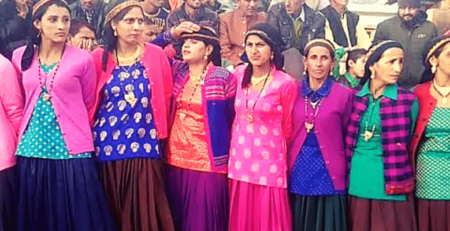
The Pal community is known for its rich cultural practices, which blend their Rajput heritage with the local traditions of Uttarakhand. Some key aspects of their cultural life include:
- Religious Practices: Members of the Pal community are predominantly Hindus and actively participate in religious ceremonies and local festivals. Navratri, Diwali, and Holi are celebrated with great fervor, alongside local deities worshipped in the region.
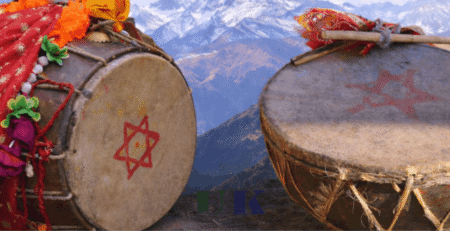
- Folk Music and Dance: The Pal people enjoy traditional music and dance, with instruments like the dhol, damphu, and mandal playing a central role in their cultural events. Music and dance are often featured during celebrations and festivals, reflecting their vibrant cultural life.
- Social Unity: As with many other communities in Uttarakhand, the Pal people maintain a strong sense of family and community. Social gatherings, especially those related to marriage, birth, and religious occasions, are important moments for strengthening bonds within the community.
Geographical Distribution
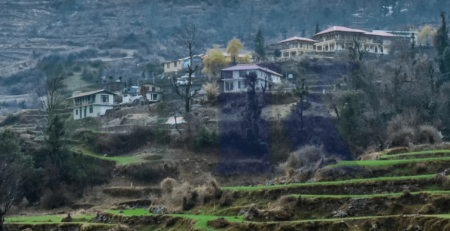
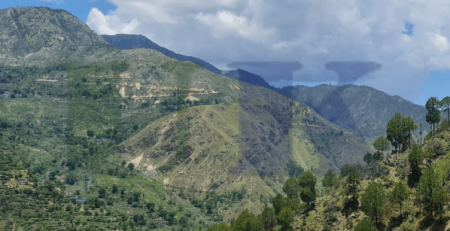
The Pal community is primarily found in the Garhwal and Kumaon regions of Uttarakhand, especially in rural and semi-urban areas. These areas are known for their mountainous terrain and fertile lands, where many Pal families have historically been engaged in agriculture. Although some have migrated to larger cities, a significant portion still resides in Uttarakhand, maintaining a deep connection to their land and cultural roots.
Modern-Day Contributions
Today, the Pal community continues to play an important role in Uttarakhand’s social and economic development. While agriculture remains a significant part of their livelihood, many members of the community have branched out into various professions, such as education, business, government service, and healthcare.
Despite these modern developments, the Pal people continue to honor their Rajput heritage, preserving their cultural traditions and values. They are actively involved in community development, local governance, and social welfare, contributing to the improvement of their communities in Uttarakhand.
The Pal caste in Uttarakhand has a long-standing history rooted in the Rajput warrior tradition and a strong connection to agriculture and trade. The community has played an important role in the region’s development, with members serving as landowners, warriors, traders, and leaders. Today, while they have adapted to modern life, the Pal people continue to uphold their cultural values and make valuable contributions to the state’s growth and prosperity.