Mansa Devi
Mythological Significance and Spiritual Importance
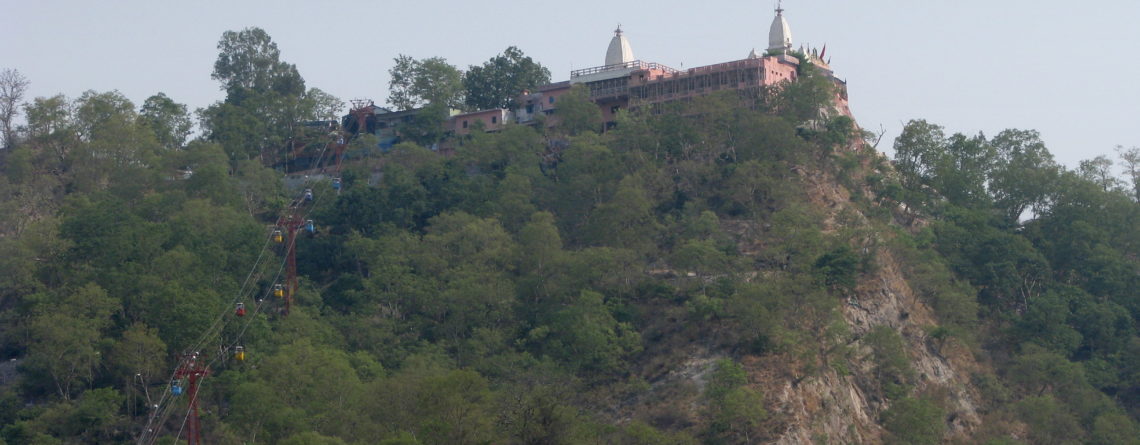
The Mansa Devi Temple, perched atop Bilwa Parvat (a hill) in Haridwar, Uttarakhand, is a prestigious Hindu shrine devoted to Goddess Mansa Devi. Renowned for its spiritual aura and breathtaking views, this temple attracts thousands of pilgrims annually who seek divine blessings and spiritual solace. The origins of the Mansa Devi Temple are intertwined with ancient Hindu mythology. According to legend, Goddess Mansa Devi emerged from the cosmic churning of the ocean, a process aimed at extracting the elixir of immortality. As a divine serpent deity, she embodies the energy of life and fertility. The temple’s historical roots are deeply embedded in this mythological narrative, enhancing its spiritual significance.
Mahabharata and Puranas on Mansa Devi
Mahabharata
In the Mahabharata, Arjuna, one of the Pandavas, and his second wife Subhadra, who was the sister of Lord Krishna and Lord Balarama, had a son named Abhimanyu. Abhimanyu was killed in the great battle of Mahabharata. Abhimanyu’s son, Parikshit, met his end due to a snake bite from Takshaka. To avenge his father’s death, Parikshit’s son, Janamejaya, performed a Sarpa Yajna (snake sacrifice) to destroy the snake race. To save the snakes from this sacrifice, Lord Shiva married his daughter Mansa, and their son Astika intervened to protect the snakes. Additionally, King Yudhishthira worshipped Mansa Devi, which led to his victory in the Mahabharata war. A grand temple was built at the site of his worship in the village of Salvan.
Puranas
Different Puranas provide various legends about Mansa Devi:
Vishnu Purana: The Vishnu Purana describes a naga maiden who later became known as Mansa.
Brahma Vaivarta Purana: In the Brahma Vaivarta Purana, a naga maiden devoted to Shiva and Krishna is depicted. She performed severe penance for many ages and received knowledge of the Vedas and Krishna mantras from Shiva. This mantra later became known as the Kalpataru mantra. The maiden performed penance in Pushkar, saw Krishna, and received a boon to be eternally worshipped.
Mangal Kavya
Mansa Mangal Kavya: Mangal Kavyas, written in Bengal during the 13th and 18th centuries, such as Vijay Gupta’s “Mansa Mangal Kavya” and Vipra Das Pille’s “Mansavijay” (1495), recount the story of Mansa Devi’s birth.
According to Mansavijay: The mother of Vasuki Naga created an image of a maiden who, upon touching Shiva’s semen, transformed into a naga maiden named Mansa. When Shiva saw Mansa, he was enchanted. Mansa revealed that she was his daughter, and Shiva took her to Kailash. When Parvati saw Mansa with Shiva, she assumed a fierce form and was enraged to destroy Mansa. However, when Lord Shiva explained that Mansa was their daughter, Parvati’s maternal affection for Mansa overwhelmed her. Mansa had freed Shiva from the Halahala poison.
Whenever humanity and the gods have faced crises, Lord Shiva has appeared in various forms to assist them. Hindu scriptures describe numerous forms of Lord Shiva. When discussing Lord Shiva’s family, references typically include Lord Shiva, Goddess Parvati, Lord Ganesha, and Kartikeya. However, not many are aware of Lord Shiva’s daughter, Mansa Devi. Mansa Devi, also known as the goddess of snakes, features in several Hindu scriptures.
The Mythological Tale of Mansa Devi
According to a mythological story, once Lord Shiva descended to Earth in a different form. A woman, enchanted by his beautiful appearance, attempted to ensnare him using a Shabar Vashikaran mantra. As a result, Lord Shiva became enchanted by the woman, and they had a daughter named Mansa Devi. Mansa Devi, therefore, possesses both divine and human attributes.
One day, Mansa Devi visited Mount Kailash to meet Lord Shiva and Goddess Parvati. During her visit, Vasuki, the serpent king hanging around Shiva’s neck, prayed to Lord Shiva, saying that there were no female serpents. He requested that Mansa Devi be sent to the serpent realm. Consequently, Lord Shiva granted Mansa Devi dominion over the Nagalok (serpent world), and she was recognized as the goddess of snakes.
Symbolism and Worship
According to religious beliefs, Mansa Devi is said to be seated on a swan. Her crown and body are adorned with serpents. She holds both nectar and poison in her hands. Worshipping Mansa Devi is believed to alleviate fears related to snakes and serpents.
This mythological account highlights the divine role of Mansa Devi and her unique association with the serpent world, showcasing her importance within Hindu mythology.
These stories and Puranas highlight Mansa Devi’s significant role and various aspects of her worship and veneration.