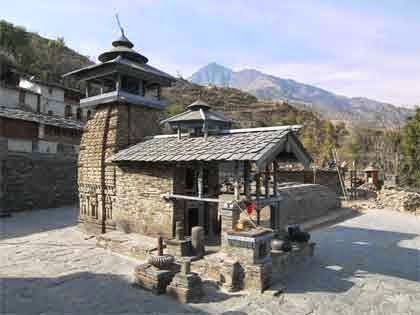
Lakhamandal Temple
Ancient Shiva Temple in Uttarakhand
Lakhamandal Temple is a stunning ancient site nestled in the lush landscapes of Uttarakhand, India, situated 128 kilometers from Patnagar, Dehradun, along the Yamuna River. This picturesque village is enveloped by ancient caves and remnants of Lord Shiva temples. It is believed that worshiping here provides liberation from sins. Various Shiva Lingams from different historical periods have been uncovered during excavations.
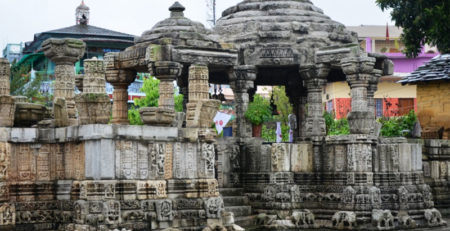
Location: The temple is located 128 km from Dehradun and 35 km from Chakarata on the Mussoorie-Yamunotri road, behind Kempty Falls. It features North Indian architectural style, typical of the hilly regions of Garhwal and Himachal Pradesh. The Yamuna River flows adjacent to the village where the temple is situated.
Lakhamandal Temple is renowned for its unique features and deep historical significance. The main attraction of the temple is its graphite Shiva Lingam, which glows and reflects its surroundings when wet. This distinctive characteristic adds to the temple’s mystical charm.
According to local legends, Lakhamandal is associated with a crucial episode from the Mahabharata. It is believed that this area was the site where Duryodhana conspired to burn the Pandavas alive in a wax palace. The temple and its surroundings are considered to be the historical setting of this infamous plot.
Adjacent to the main temple are twin statues representing a demon and a human. These figures are said to act as the temple’s guardians. Some locals identify these statues as Bhima and Arjuna, two of the Pandava brothers. The statues are also compared to the gatekeepers of Lord Vishnu, Jai and Vijay. According to tradition, when a person is dying or has just passed away, standing before these statues is believed to momentarily bring the person back to life. The human figure is said to sustain the individual’s life, while the demon figure guides the soul to Lord Vishnu’s abode.
Thus, Lakhamandal Temple is a fascinating and revered site due to its mythological significance, unique architecture, and spiritual ambiance.
The Miracle of Lakhamandal Mahadev Temple
Lakhamandal Temple in Uttarakhand, India, is renowned not just for its historical significance but also for its miraculous legends. This ancient shrine, situated along the banks of the Yamuna River, is enveloped in mystical tales that draw visitors from far and wide.
Miracle of the Shiva Lingam: The temple’s most notable miracle is associated with its graphite Shiva Lingam. The Lingam, which is known to glow and reflect its surroundings when wet, is considered to hold divine power. Devotees believe that the miraculous glow of the Lingam signifies Lord Shiva’s presence and blessing.
Legend of Liberation: According to local legends, worshiping at Lakhamandal Temple can grant liberation from sins. Many believe that the temple has the power to absolve devotees of their past misdeeds, making it a sacred place for seeking spiritual redemption.
Historical Significance: The temple’s miraculous reputation is also linked to its historical context. It is believed that the site was once the location of the infamous wax palace where Duryodhana plotted to burn the Pandavas alive. This connection adds to the temple’s mystique and attracts those interested in its legendary past.
Cultural and Spiritual Beliefs: Visitors to Lakhamandal Temple often recount personal experiences of divine intervention or fulfillment of wishes. The belief in the temple’s power to grant blessings and miracles has been passed down through generations, reinforcing its status as a place of spiritual significance.
Lakhamandal Temple is surrounded by several intriguing legends and stories:
- World’s First Shiva Lingam: The temple is renowned for being home to the world’s first Shiva Lingam, an artifact of immense spiritual significance.
- Reviving the Dead: It is believed that this temple has the power to bring a dead person back to life. According to local lore, if a special ritual is performed by the temple priest, a deceased individual can be revived by uttering the name of God.
- The Wax Palace Legend: One legend claims that during the Mahabharata era, Duryodhana built a wax palace here to incinerate the Pandavas. However, another belief suggests that the wax palace was located in Uttar Pradesh.
- Pandavas’ Refuge: It is said that the Pandavas sought refuge in a cave in this region to escape from Duryodhana.
- Imprints of Goddess Parvati: Inside the temple, there are footprints on a rock believed to be those of Goddess Parvati.
- Mysterious Caves: The village of Lakhamandal is known for its enigmatic caves, adding to the area’s mystical allure.
- Temple Construction: The temple was constructed in the 12th-13th century, showcasing ancient architectural style and craftsmanship.
- Location: Lakhamandal village is situated in the Jaunsar-Bawar region of Dehradun district, approximately 40-45 kilometers from Chakarata.