Kumaoni Holi Songs & Lyrics
Kumaoni Holi is a unique musical celebration blending classical ragas with folk traditions. Songs like Baithki Holi and Khari Holi capture the festival’s spirit with rhythmic beats of dhol and hurka. Experience the cultural richness of Kumaoni Holi through its soulful lyrics and melodies!
Holi in Kumaon, Uttarakhand, is more than just a festival of colors. it is a deeply musical and cultural experience. Unlike the loud and playful Holi celebrations in other parts of India, Kumaoni Holi is celebrated with classical ragas, folk songs, and synchronized dance performances. The festival is a perfect blend of spirituality, devotion, and joy, with people coming together to sing and dance in groups.
What makes Kumaoni Holi unique is its musical tradition, categorized into three primary forms:
- Baithki Holi (बैठकी होली) – A refined, classical form of singing, performed in a seated setting.
- Khari Holi (खड़ी होली) – A more energetic and lively version, involving standing dances and rhythmic beats.
- Mahila Holi (महिला होली) – A unique style of Holi celebration, where women sing devotional and social-themed Holi songs.
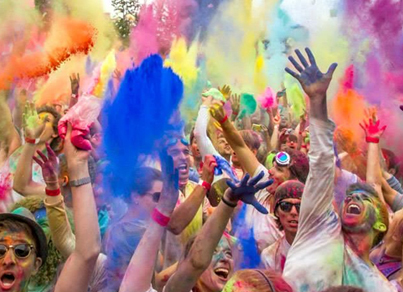
These songs, filled with spiritual, mythological, and festive themes, are performed using traditional instruments like the dhol, hurka, manjira, and harmonium.
🌸 Types of Kumaoni Holi Songs 🌸
1️⃣ Baithki Holi (बैठकी होली) – The Classical Touch
Baithki Holi is a sophisticated and soulful form of Holi music, heavily influenced by Indian classical ragas. These songs are sung in a formal setting where men gather in temples, homes, or community halls, dressed in traditional white kurtas and topis.
🔹 Features:
✅ Sung in classical ragas like Kafi, Peelu, and Bhairavi.
✅ Performed sitting in a circle with harmonium and tabla.
✅ Themes revolve around Lord Krishna, Radha, and the essence of Holi.
✅ Songs have a literary depth, often penned by renowned poets.
🎵 Popular Baithki Holi Songs:
- Aaj Biraj Mein Holi Re Rasiya
- Kanha Rang Lagyo
- Ab Kaha Jaibe Raghubeer
- Girdhar Gopal Ki Holi
2️⃣ Khari Holi (खड़ी होली) – The Dance of Colors
Khari Holi is a more energetic and dynamic form of Holi celebration. Unlike Baithki Holi, it involves standing and dancing in rhythmic steps while singing. The performers wear traditional white outfits with uttarakhandi caps and move in circular formations.
🔹 Features:
✅ Sung with lively beats of dhol, hurka, and manjira.
✅ Lyrics narrate the playful and mischievous tales of Lord Krishna.
✅ Villagers, irrespective of caste or status, unite to sing and dance.
✅ The festival spirit is enhanced by spiritual and festive poetry.
🎵 Popular Khari Holi Songs:
- Holi Khele Raghuveera (local variations)
- Rang Barse Kumaoni Andaaz Mein
- Aayo Fagun Faguniya
- Braj Ki Holi Mein Rangeele Kanha
3️⃣ Mahila Holi (महिला होली) – Women’s Holi Songs
Women in Kumaon also celebrate Holi in their unique way by singing devotional and folk songs in groups. They gather in courtyards, temples, or village squares, singing songs about Radha-Krishna, nature, and social issues.
🔹 Features:
✅ Sung by women in village gatherings and temple courtyards.
✅ Themes include mythological stories, social harmony, and emotions.
✅ Instruments like dholak and manjira accompany the songs.
✅ Creates an inclusive and joyful atmosphere among the women.
🎵 Popular Mahila Holi Songs:
- Fagun Mein Rang Ghane
- Lathmaar Holi Radha-Krishna Ki
- Bhula Ka Rang Laage
- Holi Khele Radha Sang Krishna
🎻 Musical Instruments Used in Kumaoni Holi 🎻
The soul-stirring melodies of Kumaoni Holi are incomplete without the rhythmic beats of traditional musical instruments.
🪘 Dhol – A large drum beaten with sticks, creating the festival’s pulsating rhythm.
🥁 Hurka – A smaller drum played by hand, used in folk music.
🔔 Manjira – Small cymbals that add a tinkling sound to the Holi songs.
🎹 Harmonium – A key instrument in Baithki Holi, providing melody.
🌟 Cultural Significance of Kumaoni Holi Songs 🌟
✅ Connects People: Holi songs in Kumaon bring together people of all backgrounds, fostering unity and harmony.
✅ Preserves Traditions: The songs, passed down through generations, help preserve Kumaoni culture and language.
✅ Blends Classical & Folk Music: The fusion of classical ragas and folk beats makes it a unique musical heritage.
✅ Spiritual & Festive Vibes: The lyrics often narrate Krishna’s leelas (divine plays) and the beauty of spring, making them both spiritually uplifting and festive.
🎤 Modern Influence & Popular Kumaoni Holi Songs
With changing times, Kumaoni Holi songs have found their place in recordings, YouTube videos, and stage performances. Many artists and folk musicians are working to revive and popularize traditional Holi music. Some modern adaptations include:
🎶 Fagun Aayo Re Kumaoni – A fusion of traditional Holi beats with a contemporary touch.
🎶 Holi Ki Masti Kumaoni Style – A song celebrating the colors and culture of Uttarakhand.
🎶 Krishna Ki Holi Kumaoni Taal Pe – A blend of devotional and folk elements.
Kumaoni Holi Lyrics
🕉️ शिव के मन माही बसे काशी 🕉️
The poem expresses the deep connection between Lord Shiva and the sacred city of Kashi (Varanasi). It describes how Kashi is home to both the Baman Baniya (merchants and priests) and Sanyasis (renunciates). Each group has its own purpose some engage in worship and rituals, while others dedicate themselves to service and asceticism. The Baman Baniya worship the Goddess, seeking material blessings and prosperity, whereas the Sanyasis worship Lord Shiva, seeking spiritual enlightenment and liberation. Their desires differ one seeks Nav Siddhi (nine forms of prosperity), while the other seeks Asht Siddhi (eight supernatural powers). Despite these differences, both paths lead back to Shiva, for Kashi itself resides in His heart. The poem beautifully highlights the coexistence of worldly life and spiritual renunciation within the divine presence of Lord Shiva.
🌊 जल कैसे भरू जमुना गहरी 🌊
The song beautifully expresses the dilemma of a woman trying to fetch water from the deep Yamuna river. She wonders how she can fill her pitcher when Lord Ram is watching her as she stands, and if she sits, her delicate veil (chunari) will get wet. As the festival of Holi approaches, she is still troubled by the depth of the river. She walks cautiously because her mother-in-law is old and watchful, but if she hurries, her water pot (gagri) might spill.
With a child in her lap and a pitcher balanced on her head, she descends from the mountains like a graceful woman, struggling yet determined. The song symbolizes the challenges faced in daily life, patience, and devotion, reflecting the deep connection of people with nature and their responsibilities.
FAQs
What are Kumaoni Holi songs, and why are they special?
Kumaoni Holi songs are traditional folk songs sung during the Holi festival in the Kumaon region of Uttarakhand. These songs are deeply connected to the cultural, mythological, and social traditions of the region. Unlike mainstream Bollywood Holi songs, Kumaoni Holi songs are known for their classical ragas, devotional themes, and poetic richness. They are performed in different styles, ranging from slow and soulful renditions to energetic and rhythmic compositions, making them a unique musical experience.
What are the different types of Kumaoni Holi songs, and how are they performed?
Kumaoni Holi songs are broadly classified into three types:
- Baithki Holi – This form is inspired by classical music and is performed in a seated gathering (baithak). The songs are usually based on ragas and depict stories from Hindu scriptures.
- Khari Holi – This is a more lively and energetic form of Holi singing, where participants stand, dance, and move around in a circle while singing. The beats of traditional instruments like Dhol and Hurka add to the festive spirit.
- Mahila Holi – A special form of Holi songs sung by women, often in their homes or temples, focusing on themes of family, devotion, nature, and Krishna Leela.
What are the key themes of Kumaoni Holi songs?
Kumaoni Holi songs typically revolve around:
- Lord Krishna’s Raas Leela with Radha and the Gopis.
- Mythological stories of Lord Shiva, Ram, and other Hindu deities.
- The arrival of spring (Fagun) and the beauty of nature.
- Everyday life in the mountains, love, and social bonding.
- Humorous and satirical takes on relationships, especially between in-laws and villagers.
Can you name some popular Kumaoni Holi songs?
Some famous Kumaoni Holi songs include:
- “Shiv Ke Man Mahi Base Kashi” – A song that highlights Lord Shiva’s love for Kashi.
- “Jal Kaise Bharu Jamuna Gahri” – A melodious song describing a woman’s difficulty in fetching water from the Yamuna river.
- “Fagun Aya Re” – A joyful celebration of spring and Holi colors.
- “Holi Khele Raghubeera” – A song describing Lord Ram’s Holi celebrations.
In which language are Kumaoni Holi songs sung?
These songs are primarily sung in the Kumaoni language, which is a regional language spoken in the Kumaon division of Uttarakhand. Some versions of these songs have been adapted into Hindi for a wider audience.
Where can I listen to Kumaoni Holi songs?
You can listen to these songs on:
- YouTube – Search for “Kumaoni Holi Songs” to find traditional and modern renditions.
- Spotify, Apple Music, and Gaana – Some folk artists and Uttarakhand-based musicians have uploaded Kumaoni Holi songs on streaming platforms.
- Local Cultural Events – During Holi Baithaks in Uttarakhand, these songs are performed live in villages and towns.
- Radio Stations – Some local FM stations in Uttarakhand play Holi songs during the festival season.
How can I learn to sing Kumaoni Holi songs?
- Attend Holi Baithaks in your community or online cultural programs.
- Listen to recorded versions and follow along with the lyrics.
- Practice with local musicians or family members who know the tradition.
- Learn about the classical ragas used in Baithki Holi to understand the singing style better.
What instruments are used in Kumaoni Holi songs?
Kumaoni Holi songs are accompanied by traditional instruments such as:
- Dhol – A double-headed drum that sets the rhythm.
- Hurka – A folk drum used in many Uttarakhandi songs.
- Manjira – Small cymbals that add melody.
- Harmonium – Often used in Baithki Holi for classical tunes.
What is the significance of Kumaoni Holi songs in Uttarakhand’s culture?
These songs are not just about music; they represent community bonding, storytelling, and devotion. Kumaoni Holi songs:
- Preserve folk traditions and language.
- Strengthen social and cultural ties within communities.
- Keep the rich history of Holi celebrations alive in Uttarakhand.
- Connect the younger generation to classical music and mythology.
Are Kumaoni Holi songs sung outside Uttarakhand?
Yes! Due to the migration of people from Uttarakhand to Delhi, Mumbai, and other cities, Kumaoni Holi songs are now sung at Holi gatherings and community events across India and even abroad in countries like the UK, the USA, and Canada. Many Uttarakhandi associations organize Baithki Holi events to keep the tradition alive.
How have Kumaoni Holi songs evolved over time?
Originally, these songs were sung in village temples and homes with minimal instrumentation. Over time, they have evolved with:
- Fusion with modern instruments like keyboards and guitars.
- Recording and online streaming, making them more accessible.
- New compositions while keeping the classical ragas intact.
Can I find written lyrics for Kumaoni Holi songs?
Yes! You can find the written lyrics for Kumaoni Holi songs on Uttarakhandi.com, a website dedicated to preserving and promoting Uttarakhand’s rich cultural heritage.
Are Kumaoni Holi songs different from Garhwali Holi songs?
Yes! While both regions celebrate Holi with folk songs, Garhwali Holi songs have a different dialect, rhythm, and themes. Kumaoni Holi songs have a strong classical influence, whereas Garhwali Holi songs are more folk-oriented and rustic.
How can I contribute to preserving Kumaoni Holi songs?
- Learn and sing them at Holi gatherings.
- Teach younger generations about the tradition.
- Support local artists who perform these songs.
- Share recordings and lyrics online to spread awareness.
Kumaoni Holi songs are an integral part of Uttarakhand’s rich cultural heritage, blending devotion, folklore, and festive spirit. These songs, deeply rooted in tradition, bring people together in joyous celebrations, creating a vibrant atmosphere filled with music and colors. Whether through soulful Baithaki Holi, energetic Khari Holi, or the rhythmic beats of Mahila Holi, these melodies capture the essence of Holi in the hills. If you’re looking for written lyrics, you can find them on platforms like uttarakhandi.com. Embrace the spirit of Kumaoni Holi and keep the tradition alive!