Karki Community - Karki Caste
A Historical Overview
The Karki community in Uttarakhand is a prominent Rajput clan, primarily found in the Kumaon region of the state. The Karki Rajputs have a significant historical legacy, especially in Kali Kumaon, where they played an important role in the military and administrative functions of the Kumaon Kingdom.
Historical Significance of the Karki Rajputs
The Karki Rajput trace their origins back to the warrior class of the Rajput, who were known for their martial skills, valor, and noble heritage. The Karki Rajputs of Kali Kumaon were given the prestigious title of “Budha” by the Chand kings, who ruled the Kumaon Kingdom. The term “Budha” signifies respect and honor, often associated with the elders or veterans of the community.
During the period of the Kumaon Kingdom, the Karki Rajputs were appointed as Kiladars (military commanders or fort guardians) in the region. They were entrusted with the responsibility of defending key strategic locations and forts in Kumaon, ensuring the safety and stability of the kingdom. Their role as Kiladars was vital in maintaining the security of the region during times of conflict and warfare.
Cultural and Social Role
The Karki Rajputs are known for their strong sense of honor, bravery, and courage, traits that are emblematic of the broader Rajput identity. These values are deeply ingrained in the community’s cultural practices and social traditions.
- Military Tradition: The Karki Rajputs were historically involved in military service, defending their territory and assisting the Chand kings in maintaining control over Kumaon. Their military expertise was highly respected, and many Karki families were known for their bravery on the battlefield.
- Landownership and Agriculture: Like many other Rajput communities, the Karki Rajputs also became landowners and were involved in agriculture, owning large tracts of land in the Kumaon region. Their association with agriculture contributed significantly to the local economy.
- Religious Practices: The Karki community follows Hinduism and worships a variety of deities. Many Karki families are known for their connection to temples and holy sites in Uttarakhand, including the sacred shrines of Kumaon. Festivals such as Dussehra, Diwali, and Navratri are celebrated with great enthusiasm, reflecting the community’s devotion to religious traditions.
Sub-Castes and Occupations
The Karki Rajputs belong to a specific sub-caste within the broader Rajput community, with their historical ties to Kali Kumaon being an important distinguishing factor. While their traditional occupations were centered around military service, governance, and agriculture, the Karki Rajputs of today have diversified into various professions.
- Agriculture: Agriculture remains a key occupation for many Karki families, with some still holding significant landholdings in the Kumaon region.
- Government Services: As educated individuals, many Karki Rajputs have moved into government services, contributing to the administrative and civil sectors of Uttarakhand.
- Business and Education: The modern Karki Rajput community has also embraced entrepreneurship and education, with many individuals running businesses and pursuing careers in teaching, engineering, and medicine.
Cultural Traditions and Modern-Day Life
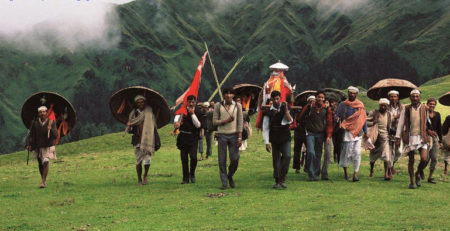
The Karki Rajputs of Uttarakhand continue to uphold their rich cultural heritage while adapting to the changing times. Despite modern-day shifts, they still hold strong ties to their Rajput identity and traditions. Social gatherings, family values, and community events such as weddings and festivals continue to play a vital role in the Karki community’s social structure.
- Family and Social Values: The Karki Rajputs place great importance on family cohesion and respect for elders. Marriages are typically arranged within the community, and they maintain strong social bonds through communal events.
- Folk Music and Dance: The community enjoys traditional Garhwali and Kumaoni folk music, with dances like Chholiya being an important part of cultural celebrations. These performances often take place during festivals, weddings, and other significant social gatherings.
The Karki caste in Uttarakhand, with its deep-rooted Rajput heritage, continues to be an influential community in the Kumaon region. Historically known for their role as Kiladars and their close ties with the Chand kings, the Karki Rajputs played a crucial role in the military and administrative landscape of the Kumaon Kingdom. Today, they remain an important part of Uttarakhand’s social, economic, and cultural fabric, balancing their ancient traditions with modern-day professions. Their legacy of bravery, honor, and community cohesion continues to shape their identity in contemporary Uttarakhand.