Juna Akhara (Bhairav Akhara)
A Legacy of Spiritual Power, Born in the Heart of Karnaprayag, Uttarakhand
In India, religious traditions and practices are countless, and they form an integral part of our cultural and spiritual history. Among these, one of the most significant and ancient institutions is Juna Akhara, which not only represents the faith and traditions of Hinduism but is also a vital part of the long-standing tradition of asceticism and penance in India. To understand its history, religious activities, the life of its ascetics, and their contribution to society, we will delve into the details of Juna Akhara in this article.
Foundation and History of Juna Akhara
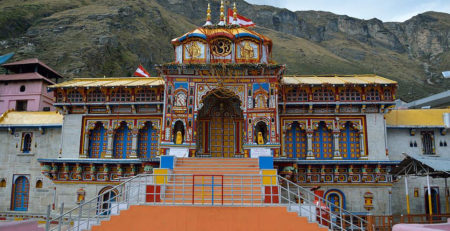
Juna Akhara was established in 1145 in Karnaprayag, Uttarakhand. It is also known as Bhairav Akhara. This Akhara is one of the seven major Akharas of the Shiva Sannyasi Sampradaya. The primary deities of this Akhara are Shiva and Rudravatara Guru Dattatreya, who are worshipped and revered by the ascetics. While this is the widely accepted account, some Hindu scholars propose an alternative founding year of 1259, with official government recognition being granted much later, in 1860. The main center of this Akhara is located at Hanuman Ghat in Varanasi, where regular religious ceremonies and practices are held. Additionally, there is an Ashram in Haridwar near the Maya Mandir associated with this Akhara.
Juna Akhara is one of the seven most influential and oldest monastic orders. Founded by Bhagavan Dattatreya, Juna Akhara was reorganized by Adi Shankaracharya into a Sannyasi order. The word “Juna” means “old” or “ancient,” symbolizing its timeless wisdom and traditions, while “Akhara” refers to an “assembly of spiritual authorities,” indicating a collective of ascetics dedicated to spiritual practices and teachings.
Shiva Sannyasi Sampradaya and Dashanami Sampradaya
The Shiva Sannyasi Sampradaya is a significant spiritual order in Hinduism, focused on attaining spiritual liberation (moksha) through deep meditation, penance, and self-discipline. Within this order, the Dashanami Sampradaya is a vital branch, which is represented by ten primary names: Giri, Parvat, Sagar, Puri, Bharati, Saraswati, Van, Aranya, Tirth, and Ashram. Each name has its distinct religious and spiritual significance. Among these names, Juna Akhara is one of the most prominent.
Religious and Spiritual Significance of Juna Akhara
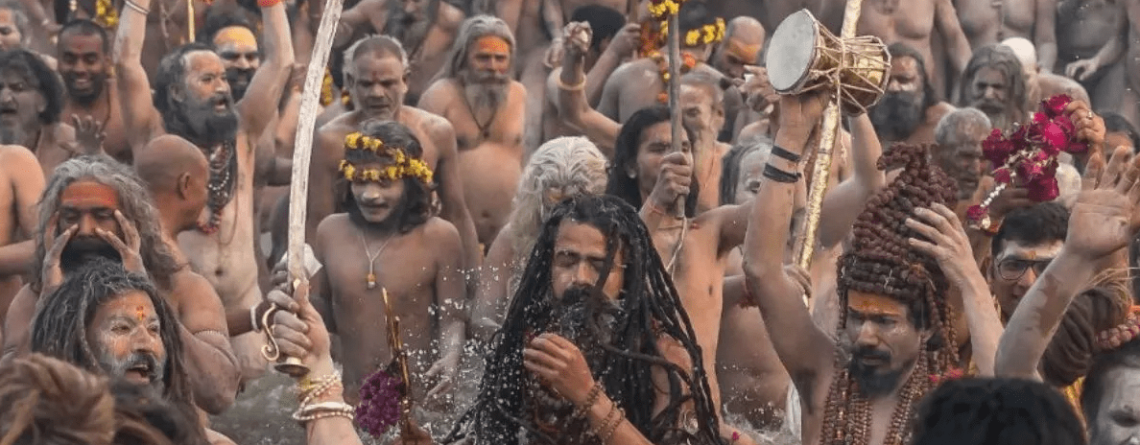
Juna Akhara holds a very important place in Hinduism. The ascetics (sadhus) associated with this Akhara have a primary role in spreading religious knowledge, guiding people on the right spiritual path, and performing rigorous penance to attain self-realization. The ascetics of Juna Akhara are predominantly Naga Sadhus, who are particularly known for their intense spiritual practices. These sadhus not only engage in religious activities but also serve to impart values of truth, righteousness, and spirituality to society.
It is widely believed that during the fierce struggle between Maharana Pratap of Mewar and the Mughal emperor Akbar, the Naga Sadhus, known for their valor and devotion, stood shoulder-to-shoulder with the Rajput warrior to defend their homeland. This historic battle took place between Chapli Talab and Ranakada Ghat in Rajasthan, where the Naga ascetics showcased their fearless spirit and warrior-like prowess.
In this encounter, the combined forces of Maharana Pratap and the Naga Sadhus dealt a decisive blow to the Mughal invaders, securing a significant victory for the Rajputs. The bravery of the Naga Sadhus left a lasting mark on the battlefield. Their ultimate sacrifice for the cause is honored to this day, as their tombs still stand near the site, serving as a testament to their courage and unwavering commitment to protecting their land and faith.
Juna Akhara Spiritual Leadership

Swami Avadheshanand Giri Maharaj
One of the most notable aspects of Juna Akhara is its leadership, which is rooted in a strong and disciplined organizational structure. The position of Mahamandaleshwar is the highest in this Akhara. The Mahamandaleshwar’s primary responsibility is to oversee the spiritual and religious activities of the Akhara. Swami Avadheshanand Giri Maharaj, the current Mahamandaleshwar of Juna Akhara, holds the title of Pithadhishwar (the head of the Akhara). Under his leadership, the Akhara has guided and initiated over a lakh (100,000) sannyasis.
Swami Avadheshanand Giri Maharaj’s influence extends far beyond India, with millions of domestic and international followers. His guidance and spiritual leadership have made Juna Akhara a global symbol of Hindu spirituality. Many people from around the world travel to seek his teachings, initiation, and spiritual blessings.
Organizational Structure and System of Juna Akhara
Juna Akhara has a unique and well-organized system, which distinguishes it from other Akharas. It functions as a complete society, where a committee is formed consisting of the senior members of 52 families of sadhus. This committee elects the Sabhapati (Chairman) for the Akhara. Once elected, this position is held for life.
The elections for the Sabhapati position are held during the Kumbh Mela, one of the largest religious gatherings in the world. Kumbh Mela is not only an opportunity for people from all over the world to come together, but it is also a crucial time for the Akhara to elect its leaders and make organizational decisions.
The Akhara is also divided into four Mandiya (sections), each with its own administrative structure. Various positions such as Mahant, Ashtkaushal Mahant, and Kotwal are appointed within these Mandiya to ensure the smooth functioning and discipline of the Akhara. The Mahants oversee the religious and spiritual practices within each section, maintaining harmony and guiding the ascetics.

Global Presence and Influence of Juna Akhara
The influence of Juna Akhara is not limited to India alone. The religious practices, teachings, and penance associated with this Akhara have earned it recognition worldwide. Ascetics and followers of Juna Akhara travel across the globe to share their spiritual knowledge and to promote values of peace, harmony, and truth.
Today, Juna Akhara is not just a religious center but also a cultural heritage that spreads the message of devotion, spirituality, and moral values worldwide. The Akhara’s spiritual leaders conduct numerous spiritual activities, such as meditation, yajnas, religious discourses, and prayers, which attract people from all corners of the globe. These activities help people to stay connected with their spiritual roots and deepen their faith in Hinduism.
We humbly pray to God to grant eternal peace to the souls of the saints and earnestly appeal to the court and government to ensure the strictest punishment for those responsible for this heinous act. I even searched for the list of main accused on Google but could not find anything.
FAQs about Juna Akhara
What is Juna Akhara?
Juna Akhara is one of the largest and oldest monastic orders of the Shiva Sannyasi Sampradaya. It is part of the Dashanami Sampradaya and holds significant spiritual and religious importance in Hinduism. Juna Akhara is also referred to as Bhairav Akhara or Bhairavi Akhara in certain contexts. The term “Bhairav” and “Bhairavi” both have deep connections to Shaivite traditions, symbolizing aspects of Lord Shiva in his fierce form and the associated divine energies. These names highlight the Akhara’s spiritual focus on the worship of Lord Shiva and his Rudra avatar, as well as the ascetic practices central to its followers.
When was Juna Akhara established?
Juna Akhara, one of the most prominent Shaivite Akharas, was established in 1145 in Karnaprayag, Uttarakhand, and later reorganized by Adi Shankaracharya to strengthen the Shaivite tradition. While this account is widely accepted, some Hindu scholars suggest that the Akhara may have been founded in 1259, with official government recognition being granted much later, in 1860.
What does the name ‘Juna Akhara’ mean?
The word “Juna” translates to “ancient” or “old,” and “Akhara” means “assembly of spiritual authorities” or a “monastic order.”
Who are the presiding deities of Juna Akhara?
The presiding deities of Juna Akhara are Lord Shiva and Rudravatara Guru Dattatreya.
Where is the main center of Juna Akhara located?
The main center of Juna Akhara is at Hanuman Ghat in Varanasi, and it also has a prominent ashram near the Maya Mandir in Haridwar.
How many members does Juna Akhara have?
Juna Akhara is the largest among the seven Shiva Sannyasi Akharas, with over 5 lakh members, including Naga Sadhus, Mahants, and Mahamandaleshwars.
Who is the current Acharya Mahamandaleshwar of Juna Akhara?
The current Acharya Mahamandaleshwar of Juna Akhara is Swami Avadheshanand Giri Maharaj, a revered spiritual leader and preacher.
What is the significance of Naga Sadhus in Juna Akhara?
Naga Sadhus are ascetics who renounce worldly life to pursue intense spiritual discipline. They play a central role in Juna Akhara and are key participants in religious events like the Kumbh Mela.
What is the role of Juna Akhara in the Kumbh Mela?
Juna Akhara leads the Amrit Snan (Royal Bath) during the Kumbh Mela, showcasing a grand procession of Naga Sadhus and Mahamandaleshwars. It is a key highlight of the festival.
What is the governance system of Juna Akhara?
The Juna Akhara is governed by a system where a committee of senior members oversees the organization, with the most prominent leader being the “Acharya Mahamandaleshwar,” elected based on merit and usually chosen during the Kumbh Mela; this leadership structure follows the tradition of the Dasanami Sampradaya of Shaivism, established by Adi Shankaracharya, where the Juna Akhara is considered one of the key monastic orders.
How is a Mahamandaleshwar chosen?
A Mahamandaleshwar is selected based on their spiritual achievements, dedication to the Akhara, and contributions to society. This is a highly prestigious position within the Akhara.
What is the Dashanami tradition of Juna Akhara?
Juna Akhara is one of the largest and most important Dashnami Akharas. It is known for its strict discipline and rigorous spiritual practices. The Juna Akhara’s sadhus (holy men) are known for their austerity and asceticism, and play a prominent role in the Kumbh Mela. The Juna Akhara has a rich tradition of spiritual and martial training.
Can women join Juna Akhara?
Yes, women can join as ascetics under the guidance of the Akhara, though they follow slightly different practices compared to male ascetics. Juna Akhara gives Diksha to both males and females. The Juna Akhara has more than 10,000 female sadhus, many of whom are foreign female sanyasis, from mainly Europe. Almost three-quarters of the female sadhus in Juna Akhara are Nepali.
What are the primary teachings of Juna Akhara?
The main purpose of Juna Akhara was to preserve Sanatan Dharma and keep the ancient Vedic traditions and spirituality of Hinduism alive through strong and vigilant Akharas and Akhilas.
How does Juna Akhara contribute to society?
Juna Akhara is actively involved in spiritual teachings, charity work, and cultural preservation. It organizes religious events, provides shelter and food to devotees, and promotes Hindu dharma worldwide.
What is the role of foreign devotees in Juna Akhara?
Many foreign devotees are attracted to the spiritual practices of Juna Akhara. They often participate in rituals and seek guidance for their spiritual growth.
Why is Juna Akhara also called Bhairav Akhara?
Juna Akhara is also called Bhairava Akhara because historically, the Juna Akhara was originally known as the “Bhairav Akhada,” with the name “Juna” being adopted later, likely due to a historical event involving the seers of the akhada during Mughal rule, where they were associated with the region of Junagarh.
What is unique about Juna Akhara compared to other Akharas?
Juna Akhara stands out as the largest, most influential, and one of the oldest monastic orders in the Shiva Sannyasi Sampradaya. It is known for its strict discipline and rigorous spiritual practices. The followers of Juna Akhara are primarily Shaiva, dedicated to Lord Shiva, and they include many Nagas.
It has a strong historical lineage and global reach.
Does Juna Akhara accept modern reforms?
While Juna Akhara holds firmly to its traditional roots, it also adapts to modern contexts by promoting spiritual teachings through digital platforms and welcoming a diverse group of devotees.
How can one become a part of Juna Akhara?
To become a part of Juna Akhara, one must approach a Guru within the Akhara and seek initiation and discipleship. This journey requires a deep commitment to the Akhara’s spiritual practices and philosophy. Aspirants undergo rigorous training under the guidance of their Guru, embracing a disciplined lifestyle centered on asceticism, meditation, and study. Joining Juna Akhara is not a matter of birthright but a dedicated spiritual path, marked by surrender, devotion, and adherence to the lineage’s teachings. This transformative process prepares individuals for a life of renunciation and spiritual growth within the Akhara’s fold.
Role of Juna Akhara in Society
Juna Akhara’s role goes beyond just spiritual practices. It aims to instill values of righteousness, truth, and devotion in society. The ascetics of Juna Akhara lead disciplined lives and work to guide people on the path of spirituality and moral conduct. Their message of inner peace, devotion, and good karma has reached millions of people worldwide.
The Akhara’s influence is not only limited to the practice of asceticism and meditation but extends to its efforts in establishing spiritual and social harmony. The teachings of Juna Akhara have inspired generations of followers to live lives rooted in truth, compassion, and spiritual awareness.
Juna Akhara is a historical and religious institution that has significantly contributed to the spiritual and cultural heritage of India. Its leadership, led by Swami Avadheshanand Giri Maharaj, has established it as a revered center of spirituality, guiding countless ascetics and followers toward self-realization and inner peace. The Akhara’s role in maintaining discipline, spreading spiritual awareness, and fostering values of truth and compassion is unparalleled.
Today, Juna Akhara is not only a hub of religious activities but also a symbol of India’s deep spiritual and cultural roots. It continues to inspire millions of people, both in India and abroad, to follow the path of devotion, meditation, and self-discipline. The Akhara’s commitment to spreading Hindu spirituality, along with its strong organizational structure and leadership, makes it a beacon of hope for many seeking a deeper connection with the divine and a life of righteousness.