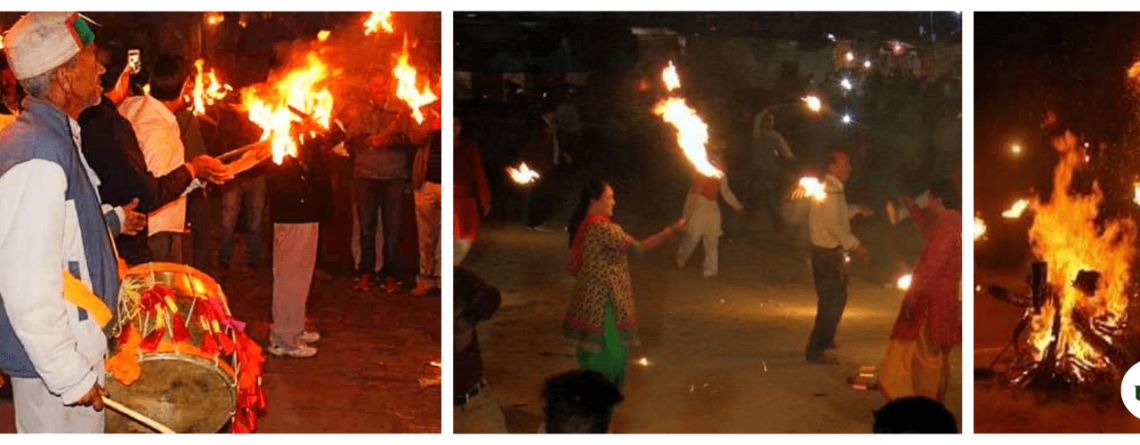
Igas Festival (Budhi Diwali)
A Unique Festival of Uttarakhand
Igas festival is a festival with deep cultural roots in Uttarakhand, known as Budhi Diwali. It is celebrated on the eleventh day after Diwali, on the occasion of Ekadashi. While most of India celebrates Diwali on the day of the new moon (Amavasya), certain regions in Uttarakhand and Himachal Pradesh observe this celebration eleven days later as Igas or Budhi Diwali. This year, the Uttarakhand government has declared a public holiday on this day to allow people to celebrate their local festival with great joy and enthusiasm.
The Historical Significance of Igas
Legend has it that when Lord Ram returned to Ayodhya after defeating Ravana and completing his 14-year exile, the people of Ayodhya welcomed him by lighting oil lamps, a celebration known as Diwali. In the mountainous regions, this news reached eleven days later, and the people there celebrated with lamps and festivities to mark the occasion. This delayed celebration eventually became the tradition of observing Igas, also known as Budhi Diwali.
Unique Customs of Igas Festival
The celebration of Igas includes many unique rituals and traditions that make it stand out. The festival preserves the cultural heritage of Uttarakhand, with locals expressing their joy through traditional dance, music, and delicious foods.
Bhalo Tradition
One of the main highlights of Igas is the “Bhalo” tradition. Bhalo is a torch made from the wood of the pine tree, which is lit and swung in a circular motion. People gather in the evening, sing traditional songs, and dance to the beats of drums while swinging the Bhalo. This tradition enhances the festive spirit and brings an infectious energy to the celebration.
Worship of Livestock
During Igas, there is a special ritual of worshiping livestock. Cattle are decorated, and a nutritious meal called “Gograss” is prepared for them, symbolizing a prayer for their health and well-being. This ritual reflects the agrarian and pastoral lifestyle of the region, showing respect and gratitude towards livestock.
Traditional Dishes
Igas is also marked by the preparation of special dishes, adding sweetness to the celebration. People make various traditional foods like Puri, Swali, Pakodi, and Bhuda. The aroma of these delicacies fills the air, creating a festive atmosphere. The community comes together to share these treats, promoting a spirit of unity and togetherness.
Cultural Performances
The Igas festival includes various cultural performances, such as traditional plays, “Parokadia” songs, “Rasa” dances, separation songs called “Bhayuri,” Hudka dances, and the famous “Badechu” dance. These performances keep alive the traditional arts and customs, passing them down to future generations.
Regions Where Budhi Diwali is Celebrated
Budhi Diwali is celebrated not only in Uttarakhand but also in specific areas of Himachal Pradesh. Regions such as the Giri Par area, villages in Shimla, Nirmand in Kullu, and other mountainous parts of Himachal Pradesh observe this festival with great enthusiasm. The festival is a lively celebration of local culture and tradition.
Cultural Significance of Igas
Igas is more than just a festival; it is a vital part of Uttarakhand’s cultural identity. This festival reminds us of our proud heritage and serves as a means of preserving our traditions, customs, and folk arts. Such festivals keep us connected to our roots, fostering a sense of unity and belonging in society.
Igas is a vivid representation of the culture, folk life, and traditions of Uttarakhand. Through this festival, people uphold the customs passed down from their ancestors and keep their cultural heritage alive.
Igas festival conveys the message that we should honor and preserve our culture and traditions for future generations. Celebrating such festivals reminds us of our identity and fosters unity and cooperation within our community.