Harela
A Celebration of Nature and Agriculture in Uttarakhand
Harela is a Hindu festival primarily celebrated in the Kumaon region of Uttarakhand. This festival symbolizes natural prosperity, agriculture, and social unity. Harela occurs three times a year:
- Chaitra Month: Harela is sown on the first day and harvested on the ninth day.
- Shravan Month: It is sown nine days before the onset of Sawan in Ashadha and harvested on the first day of Shravan, ten days later.
- Ashwin Month: Harela is sown on the first day of Navratri and harvested on the day of Dashahara.
Respect for Lord Shiva and Symbol of Natural Prosperity
Lord Shiva is regarded as the supreme deity, and the month of Sawan holds special significance for him. The Harela festival, celebrated on the full moon of Sawan, symbolizes this sacred time and has a profound connection to Lord Shiva.
Lord Shiva and Nature
Lord Shiva is considered a symbol of nature, and the Harela festival reflects this relationship. He is worshipped as the deity of agriculture, representing the beginning of new crops. This festival not only expresses respect for agriculture but also inspires the conservation of natural resources.
Religious Significance
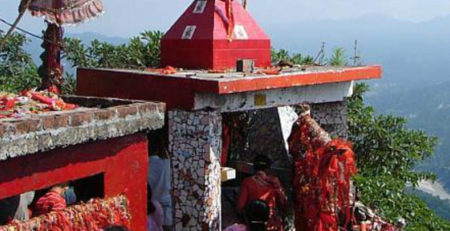
The connection of the Harela festival with Lord Shiva is further emphasized by his presence at the holy shrines of Gangotri and Yamunotri. In Uttarakhand, known as the Land of the Gods (Devbhoomi), Harela is given special reverence. This festival is an integral part of local culture and traditions, promoting a message of unity and prosperity in society.
Indicator of Seasonal Changes
Harela sown in the Chaitra and Ashwin months signals changes in weather. Harela sown in Chaitra indicates the arrival of summer, while the one sown during Navratri in Ashwin signifies the onset of winter. This festival not only reflects the climatic conditions but also highlights the importance of local agricultural traditions.
Importance of the Shravan Month
The Harela celebrated in the Shravan month holds special social significance. This month is particularly dear to Lord Bhole Shankar, which is why this version of Harela is also known as “Har-Kali.” In Uttarakhand’s hilly culture, where Lord Shiva is believed to reside, the Harela festival carries even more importance. Special prayers and devotion are observed during this time, bringing the local community together.
Planting and Environmental Awareness
An important aspect of the Harela festival is that it promotes awareness of the environment. The terms Harela or Hariyali are closely linked to nature. On this day, alongside cultural events, tree planting is also carried out. People plant various types of shade and fruit-bearing trees in their surroundings, enhancing not only the natural beauty but also leaving a sustainable legacy for future generations.
The Process of Sowing Harela
The process of sowing Harela is an important tradition. A shallow vessel or basket is chosen, into which soil is added, and then five or seven types of seeds such as wheat, barley, paddy, gram, and mustard are sown. Every day, people sprinkle water on the plants, helping them grow. On the tenth day, these plants are harvested, regarded as symbols of happiness and prosperity. It is believed that the larger the Harela, the better the crop yield.
Rituals and Traditions
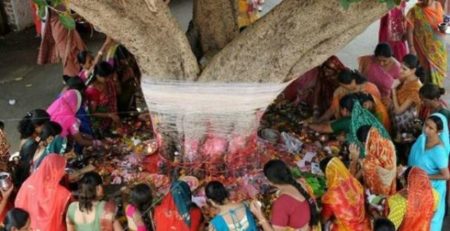
Special rituals and traditions are observed during the Harela festival. After sowing Harela, it is tended to daily. On the eve of Harela, the plants are cleaned and tied into two bundles, which are then blessed with tilak and adorned with seasonal fruits and traditional dishes. In several places in Kumaon, clay idols of Lord Shiva and Goddess Parvati, known as “Dikare,” are created and worshipped. On the day of Harela, family members rise early, clean their homes, and prepare special dishes to celebrate. Priests come to perform the rituals, after which Harela is offered to family deities and newborns. Elders place Harela on the heads of younger family members while giving blessings.
Harela in the Garhwal Region
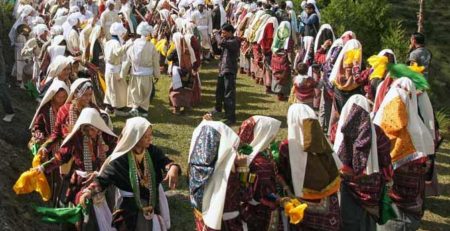
While Harela is celebrated throughout Uttarakhand, it is particularly vibrant in Kumaon. In the Garhwal region, it is observed as an agricultural festival. Here, barley is sown in front of family deities. This task is typically performed only by men, and it is essential for them to be in a state of ritual purity. In the Chamoli district of Uttarakhand, this festival is celebrated in honor of the Goddess Hariyali, where barley is planted in her sanctum.
The Harela festival is a unique representation of Lord Shiva’s glory and natural prosperity. It welcomes the arrival of new crops and instills in us a sense of gratitude and respect for nature through the worship of Shiva. This festival holds a special place in Uttarakhand’s culture, reflecting the significance of preserving our natural resources and the importance of agriculture. Ultimately, the Harela festival is a symbol of harmony between nature and culture, binding us together as a community.