Guptakashi
The Hidden Kashi of Uttarakhand
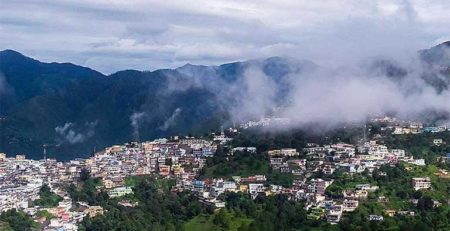
Nestled in the heart of the Garhwal Himalayas, Guptakashi—also known as Gupta Kashi—is a sacred town located at an elevation of 1,319 meters (4,327 feet) in Rudraprayag district, Uttarakhand, India. Renowned for its ancient Vishwanath Temple, dedicated to Lord Shiva, Guptakashi is a spiritual haven that draws devotees from far and wide. The temple, reminiscent of the famous Kashi Vishwanath Temple in Varanasi, showcases exquisite architecture and reverence, while another significant shrine dedicated to Ardhanareshvara, the divine embodiment of Shiva and Parvati, adds to the town’s spiritual allure. With its rich history linked to the Pandavas of the Hindu epic Mahabharata, Guptakashi is often regarded as a second Varanasi, with its religious importance elevated next to that of the holiest Hindu pilgrimage site.
A Gateway to the Chota Char Dham
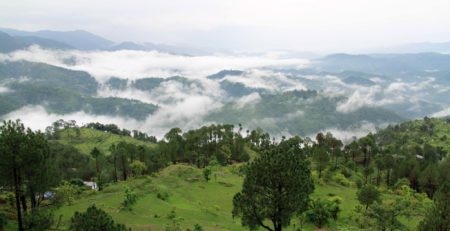
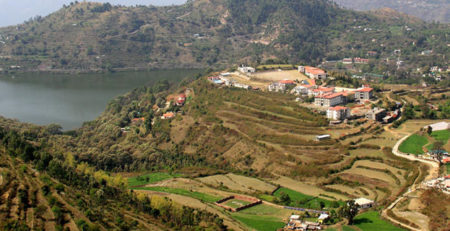
Guptakashi serves as a vital waypoint for pilgrims on their journey to Kedarnath, one of the revered Chota Char Dhams and Panch Kedars. The town’s enchanting landscape is framed by the majestic peaks of Chaukhamba, offering a serene atmosphere that complements the spiritual ambiance. Throughout the year, Guptakashi enjoys a pleasant climate, making it an inviting destination for both pilgrims and nature enthusiasts alike.
The Legend of Guptakashi
The story of Guptakashi is steeped in mythological significance. Following the great Kurukshetra war, the Pandavas sought atonement for their sins, guided by Lord Krishna and other sages, and longed to seek the blessings of Lord Shiva. However, Shiva, displeased with the Pandavas, evaded them and transformed into a bull, Nandi, to hide in Guptakashi. Despite their persistent pursuit, the Pandavas could not catch him, and he vanished into the earth. In his divine form, Shiva later appeared at five significant sites: his hump at Kedarnath, face at Rudranath, arms at Tungnath, navel at Madhyamaheshwar, and locks at Kalpeshwar. This mystical disappearance led to Guptakashi being aptly named “Hidden Kashi,” as it lies on the banks of the sacred Mandakini River.
The town is also celebrated for the legend of Shiva’s proposal to Parvati at Guptakashi before their marriage in Triyuginarayan, located at the confluence of the Mandakini and Sone-Ganga rivers. Despite the changes in trekking routes caused by the catastrophic floods of 2013, Guptakashi continues to hold immense spiritual significance for those making the pilgrimage to Kedarnath.
The Sacred “Kashis”
According to ancient texts, Kashi (Varanasi) and Kanchi (Kanchipuram) are often described as the two eyes of Shiva. Within this context, Guptakashi is one of several towns deemed as sacred as Kashi, providing a spiritual sanctuary for those unable to travel to the main Kashi. Alongside Uttarkashi, notable locations include Dakshinkashi in Southern India, Guptakashi in Bhubaneswar, and Kashi in Nashik and Mandi. These towns allow pilgrims to seek spiritual blessings closer to home.
Additionally, local lore recounts that when Aurangzeb demolished the Kashi Vishwanath Temple in 1669, the original Shiva Linga was moved to Guptakashi for safekeeping. This historical event further enhances the town’s sacred reputation.
Architectural Wonders
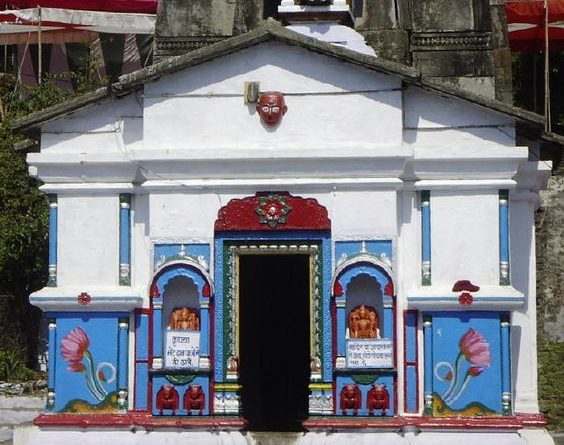
The heart of Guptakashi is its main temple, dedicated to Shiva as Vishwanath. The temple is an architectural gem, built in the traditional style of Uttarakhand, characterized by stone construction, a soaring tower over the sanctum, and intricate woodwork. The entrance features two dwarpalakas (entrance guards), and the exterior is adorned with beautiful lotus motifs. A smaller shrine, dedicated to Ardhanareeshvara, complements the main temple, where a revered statue of Nandi stands as a symbol of devotion.
Surrounding Guptakashi, one can find numerous Shiva Lingas, leading to the saying, “jitne pathar utne shankar,” meaning “as many stones, those many Shivas.” The nearby town of Ukhimath plays a pivotal role during the winter months when the symbolic deity of Kedarnath is shifted there, ensuring uninterrupted worship.
Natural Beauty and Nearby Attractions
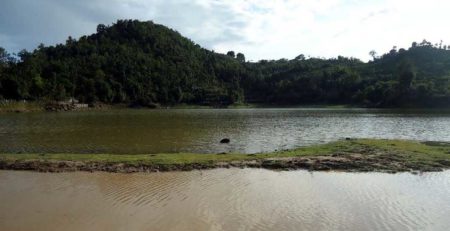
Guptakashi is not just a spiritual destination; it is also a place of natural beauty. The Manikarnika Kund, a small pond in front of the temple, is fed by springs symbolizing the sacred rivers Ganges (Bhagirathi) and Yamuna. Nearby, the Gandhi Sarovar, where the ashes of Mahatma Gandhi were immersed, and Vasukital, a captivating lake near Kedarnath, beckon visitors with their tranquil beauty.
In Ukhimath, a stupa believed to represent the grave of Nala stands as a testament to local legends, including the romantic tale of Krishna and Banasura’s daughter, Usha. This adds a rich layer of cultural heritage to the region.
Guptakashi is more than just a pilgrimage site; it is a tapestry of spirituality, mythology, and natural splendor. With its ancient temples, profound legends, and breathtaking Himalayan scenery, it invites visitors to experience the divine while embracing the stunning landscapes of Uttarakhand. Whether seeking spiritual solace or adventure in nature, Guptakashi remains a cherished destination that beautifully embodies the essence of India’s rich cultural and spiritual heritage.