Glaciers in Uttarakhand
Sources of India Sacred Rivers
The Icy Heart of Uttarakhand
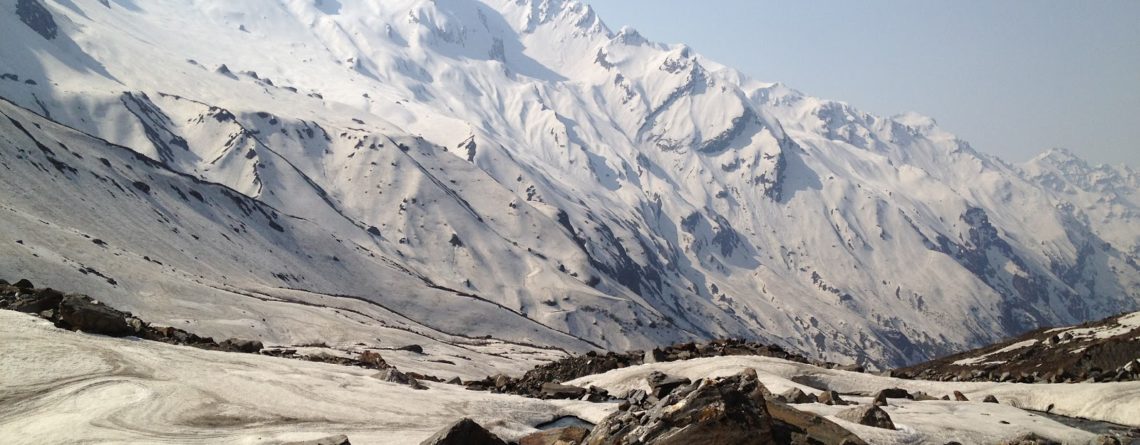
Uttarakhand, often referred to as Dev Bhoomi (Land of the Gods), is not only revered for its temples, rivers, and spiritual sanctuaries but also for its majestic Himalayan landscape – home to a vast network of glaciers. These massive rivers of ice serve as the lifeblood of India’s river systems, feeding perennial rivers like the Ganga, Yamuna, Alaknanda, Bhagirathi, and Pindar. While tourists flock to Char Dham pilgrimages and scenic hill stations, a lesser-known yet equally powerful natural treasure lies quietly nestled in the higher altitudes: glaciers – both sacred and sublime.
According to various glaciological surveys (including reports by the Wadia Institute of Himalayan Geology and ISRO), Uttarakhand is home to over 1,439 glaciers, ranging from massive glaciers like Gangotri (30 km long) and Milam (16 km) to smaller, lesser-known ice fields like Namik, Ralam, and Doonagiri. These glaciers cover an approximate area of 2,857 square kilometers – a significant portion of the Indian Himalayan glacial mass. The Garhwal and Kumaon regions are both rich in glaciation, with major clusters in Uttarkashi, Chamoli, Pithoragarh, and Bageshwar districts.
What makes these glaciers exceptional is not just their scale, but their spiritual and ecological significance. Many are closely tied to Hindu mythology, believed to be the paths of gods, sages, or epic journeys of the Pandavas and Lord Hanuman. The Gangotri Glacier, for instance, is considered the very source of the Ganga River – India’s most sacred river. In recent years, these glaciers have also become a barometer for climate change. Scientific data shows that most glaciers in Uttarakhand are retreating at an alarming rate of 15-20 meters per year, especially Gangotri. This has raised concerns over future water security, glacial lake outburst floods (GLOFs), and the fate of Himalayan biodiversity. Yet, for all their vulnerability, these glaciers continue to inspire awe. They offer breathtaking landscapes, unique ecosystems, and unforgettable trekking routes that attract adventure seekers, pilgrims, and researchers alike. From the vast white plains of Pindari Glacier to the hidden serenity of Satopanth, each glacier tells a story – carved in time, rock, and ice.
In this article, we explore the top glaciers of Uttarakhand, revealing their importance, trekking routes, river origins, legends, and current status in a warming world.
🌟 MAJOR GLACIERS OF UTTARAKHAND
Gangotri Glacier – Largest & Holiest
Location: Uttarkashi
Length: ~30 km
River Origin: Bhagirathi (Ganga)
Access Point: Gangotri → Gaumukh (13 km trek)
Highlights: Hindu pilgrimage, glacier retreat studies
Gangotri Glacier is not only Uttarakhand’s largest glacier, but also the spiritual origin of the Ganga River. Trekking to Gaumukh, the glacier’s snout, offers a life-changing experience amidst towering peaks like Shivling and Bhagirathi Parvat.
Yamunotri Glacier – Source of the Yamuna
Location: Western Garhwal
Length: ~13 km
River Origin: Yamuna
Access Point: Janki Chatti → Yamunotri Temple
Highlights: Char Dham site, hot springs, religious value
Though mostly hidden from sight, the Yamunotri Glacier lies near the revered Yamunotri Temple, marking the spiritual origin of the Yamuna River, worshipped as a goddess in Hindu mythology.
Pindari Glacier – The People’s Glacier
Location: Bageshwar (Kumaon)
Length: ~9 km
River Origin: Pindar River → Alaknanda
Trek Route: Loharkhet → Khati → Zero Point
Highlights: Easy–moderate trek, forested trails
Pindari is one of the most accessible glaciers and a favorite among trekkers. You’ll pass through quaint villages, rhododendron forests, and dramatic valleys before reaching the glacier’s snout known as Zero Point.
Milam Glacier – High-Altitude Majesty
Location: Pithoragarh
Length: ~16 km
River Origin: Gori Ganga
Trek Route: Munsiyari → Lilam → Milam
Highlights: Remote beauty, views of Nanda Devi East
Milam Glacier offers an authentic Himalayan adventure. The trail is tough but rewarding, revealing a world of alpine villages, glaciers, and sacred peaks like Nanda Devi, Hardeol, and Trishul.
Bandarpunch Glacier – Mythical and Mighty
Location: Uttarkashi
Mythology: Linked to Hanuman’s tail (“Bandar-Punch”)
River Source: Tributaries of Ganga & Yamuna
Trek Route: Sankri → Ruinsara Tal → Yamunotri
Highlights: Mythology, alpine meadows, scenic passes
Bandarpunch is named after the tale where Lord Hanuman extinguished his burning tail in these icy waters. The glacier feeds both Yamuna and Ganga rivers and is a delight for alpine trekkers.
Satopanth Glacier – Birthplace of the Alaknanda
Location: Chamoli District
Length: ~13 km
River Origin: Alaknanda
Trek Route: Badrinath → Mana → Vasudhara → Satopanth Tal
Highlights: Spiritual trek, legendary Pandava route
Satopanth Glacier lies near the tri-cornered Satopanth Tal, a sacred lake where the Trimurtis (Brahma, Vishnu, Shiva) are believed to meditate. The glacier is also associated with the Mahabharata.
Kafni Glacier – Hidden Himalayan Charm
Location: Bageshwar District
Length: ~3 km
River Origin: Kafni → Pindar
Trek Route: Pindari trail → Dwali → Kafni
Highlights: Serene route, less footfall, combined trek option
Often done as a side trail from the Pindari trek, Kafni Glacier is ideal for those who seek offbeat beauty and solitude.
Khatling Glacier – For the Hardcore Trekkers
Location: Tehri Garhwal
River Origin: Bhilangna River
Trek Route: Ghuttu → Reeh → Khatling
Highlights: Glacial lakes, tough terrain, minimal crowd
Khatling is a less-traveled, high-altitude glacier, offering raw terrain, icy ridges, and stunning moraine fields. Perfect for experienced trekkers.
🧭 OTHER NOTEWORTHY GLACIERS
| Glacier | Location | River Source | Notes |
|---|---|---|---|
| Namik | Pithoragarh | Ramganga | Ancient village route |
| Ralam | Near Munsiyari | Gori Ganga | Short trek, scenic vistas |
| Doonagiri | Chamoli | Dhauliganga | Sacred peaks nearby |
| Maiktoli | Kumaon Region | Pindar tributary | Seen from Sunderdhunga Valley |
| Sunderdhunga | Near Pindari | Pindar tributary | Valley of beautiful stones |
🌍 Environmental & Cultural Significance of Glaciers in Uttarakhand
The glaciers of Uttarakhand are more than frozen rivers-they are vital ecosystems, spiritual symbols, and climate barometers. Their role in sustaining life, religion, and tradition in India is profound.
🏞️ Water Source for Northern India
Glaciers like Gangotri, Yamunotri, and Satopanth are the origin points of major rivers such as the Ganga, Yamuna, and Alaknanda. These rivers provide water for agriculture, drinking, and hydropower to hundreds of millions in the Indo-Gangetic plains.
Glacial meltwater ensures a steady year-round flow, especially during dry seasons.
🌡️ Indicators of Climate Change
Glaciers in Uttarakhand are retreating rapidly due to rising global temperatures. For example, the Gangotri Glacier has retreated over 1.5 km in the past 70 years.
This retreat signals environmental shifts and contributes to reduced water supply, increased risk of glacial lake outburst floods (GLOFs), and higher chances of landslides.
Many scientists monitor these glaciers to track the effects of climate change in the Himalayas.
🛕 Spiritual and Mythological Relevance
Almost every major glacier in Uttarakhand holds deep connections to Hindu mythology:
-
Gangotri is where the Goddess Ganga descended to Earth through Shiva’s hair.
-
Yamunotri is considered the sacred source of the Yamuna River.
-
Satopanth is believed to be the route the Pandavas took to heaven.
-
Bandarpunch is associated with Lord Hanuman’s legend.
These glaciers are not just natural wonders they are sacred destinations visited by pilgrims during the Char Dham Yatra and other spiritual journeys.
🏔️ Support for Biodiversity and Indigenous Communities
Glacier-fed valleys support a rich array of flora and fauna, including the Himalayan monal, snow leopards, and blue sheep.
Communities such as the Bhotias, Gujjars, and Garhwalis depend on glacier-fed rivers for agriculture, livestock, and cultural practices.
Trekking tourism also provides income and sustains local economies through homestays, porters, and eco-guides.
📿 Cultural Identity and Regional Heritage
Glaciers influence the cultural narratives of the region-stories, songs, and festivals often celebrate the sacred rivers that begin in these icy landscapes.
Rituals like the Ganga Aarti in Haridwar and Rishikesh are directly tied to the belief in the river’s divine origin from the Himalayas.
These rivers symbolize purity, life, and salvation in Indian philosophy.
⚠️ Environmental Responsibility
With growing tourism and climate vulnerability, it’s critical to promote responsible travel in glacier zones.
Eco-sensitive regulations are now in place to protect these fragile landscapes, including:
-
Banning plastic and non-biodegradable waste
-
Limiting access to glacial snouts
-
Mandatory permits and guided treks in national park areas
✨ Summary: Why Glaciers Matter
| Significance | Description |
|---|---|
| Hydrological | Lifelines of North Indian rivers |
| Climatic | Indicators of global warming trends |
| Spiritual | Sacred sites tied to ancient epics |
| Ecological | Habitat for rare mountain species |
| Cultural | Rooted in rituals, songs, and faith |
📅 BEST TIME TO VISIT GLACIERS
| Season | Months | Notes |
|---|---|---|
| Summer | May–June | Clear skies, accessible paths |
| Post-Monsoon | Sept–Oct | Fresh greenery, stable weather |
| Avoid | Nov–April | Heavy snow, closed trails |
🎒 Trekking Tips & Travel Info
Trekking to the glaciers of Uttarakhand is a breathtaking experience but it requires preparation, awareness, and respect for nature. Whether you’re a first-time hiker or a seasoned mountaineer, these tips will help you have a safe and enjoyable journey.
🧭 Plan Your Trek Wisely
-
Choose a glacier route that matches your fitness and experience level.
-
Beginner-friendly: Pindari, Kafni
-
Moderate to Difficult: Gangotri, Milam, Satopanth
-
Expert only: Khatling, Ralam
-
-
Check the best season to trek typically May to June or September to October. Avoid monsoon and heavy snowfall periods.
-
Always register your trek with the local forest department or tourism office where required.
🧑🤝🧑 Go With Local Guides
-
Hire certified local guides or porters-they know the trails, weather patterns, and language.
-
Supporting local guides also helps sustain mountain communities and traditional knowledge.
🎫 Permits and Entry Rules
-
Some glaciers are inside protected zones (e.g., Gangotri National Park, Nanda Devi Biosphere).
-
Obtain the necessary entry permits, which may require ID, photographs, and a small fee.
-
Carry your permit at all times during the trek.
🥾 Gear Up Properly
-
Wear good-quality trekking shoes with ankle support and grip.
-
Carry layered clothing, as temperatures can vary from warm valleys to icy heights.
-
Must-have gear includes:
-
Windproof/waterproof jacket
-
Gloves and woolen cap
-
Sunglasses (for snow glare)
-
Sunscreen and lip balm
-
Trekking poles (optional but helpful)
-
Headlamp or torch
-
🥤 Food, Water & Health
-
Carry lightweight, high-energy snacks: dry fruits, energy bars, jaggery, glucose.
-
Always boil or purify drinking water from natural sources.
-
Acclimatize properly to avoid altitude sickness-climb gradually, stay hydrated, and rest if you feel breathless or dizzy.
-
Pack a first-aid kit with essentials like paracetamol, anti-nausea tablets, antiseptic cream, and bandages.
♻️ Respect Nature & Culture
-
Follow Leave No Trace principles-do not litter, pick plants, or disturb wildlife.
-
Avoid plastic; carry reusable bottles and biodegradable toiletries.
-
Respect local customs, temples, and sacred sites along the trail.
-
Do not bathe or wash directly in glacier streams-it’s both ecologically harmful and culturally disrespectful.
🛏️ Accommodation Options
-
Many treks offer forest guesthouses, homestays, or trekking huts.
-
Carry a lightweight sleeping bag if you’re staying in basic lodges.
-
In remote areas like Milam or Khatling, camping might be your only option-confirm logistics in advance.
📱 Connectivity and Emergency Help
-
Mobile networks are patchy or unavailable at higher altitudes.
-
Inform family or friends about your itinerary in advance.
-
In case of emergencies, local guides, porters, or villagers are your first line of help-respect their knowledge and experience.
✅ Quick Packing Checklist
| Essentials | Optional/Helpful |
|---|---|
| Trekking shoes | Trekking pole |
| Warm layers | Thermos |
| Waterproof jacket | Binoculars |
| First-aid kit | Extra socks/gloves |
| Sunglasses & sunscreen | Travel journal/notepad |
| Flashlight or headlamp | Power bank (solar is best) |
| Reusable water bottle | Compact towel |
❓ Frequently Asked Questions (FAQs)
Which glaciers in Uttarakhand are the most famous and what makes each one special?
Some of the most famous glaciers in Uttarakhand include Gangotri, Yamunotri, Pindari, Milam, Satopanth, Khatling, and Kafni. Gangotri is the largest and is the source of the holy Ganga River, making it a major pilgrimage site. Yamunotri is the origin of the Yamuna River and has great religious importance. Pindari and Milam glaciers are popular trekking destinations with beautiful landscapes, while Satopanth and Khatling glaciers offer challenging treks and spiritual significance.
What is the best time of year to visit the glaciers in Uttarakhand for trekking and sightseeing?
The best time to visit glaciers in Uttarakhand is during the summer months from May to June and after the monsoon season from September to November. During these periods, the weather is clear and trails are safer for trekking. Winters bring heavy snowfall making paths difficult or closed, while the monsoon season can cause landslides and slippery conditions.
Do I need prior trekking experience or physical fitness to visit glaciers like Gangotri or Milam?
For easier glacier treks like Pindari and Kafni, beginners with good fitness can manage, but tougher routes such as Milam, Satopanth, and Khatling require prior trekking experience and good physical conditioning. It is recommended to prepare well and consider going with an experienced guide for difficult treks.
Are special permits or permissions required to trek to glaciers in Uttarakhand? How can I get them?
Yes, most glacier treks in Uttarakhand require permits as they pass through protected forests and national parks like Gangotri National Park. Permits can be obtained from local forest or tourism offices, often needing ID proof and a small fee. It’s important to get these permits before starting the trek and carry them along.
Is camping allowed near glaciers, and what should I keep in mind if I plan to camp during the trek?
Camping is usually allowed in many trekking areas, but there may be restrictions near sacred or environmentally sensitive zones. If you plan to camp, always check local regulations, avoid disturbing the natural habitat, carry eco-friendly gear, and make sure to take all waste back with you to protect the fragile environment.
Will I have mobile phone network coverage while trekking near glaciers in Uttarakhand?
Mobile network coverage is limited or nonexistent near many glaciers due to the remote, high-altitude locations. Towns like Gangotri or Munsiyari may have some signal, but don’t rely on phones for communication in glacier areas. It’s advisable to inform family or friends about your itinerary before starting and use offline maps or GPS devices.
Is it safe to drink water directly from glacial streams during trekking?
While glacier water looks clean and fresh, it is safest to boil, filter, or use purification tablets before drinking. Untreated water may contain bacteria or pollutants that can cause illness.
What should I do if I experience illness or altitude sickness during a glacier trek?
If you feel symptoms like headache, nausea, dizziness, or difficulty breathing, it’s important to rest, hydrate, and avoid ascending further. Inform your guide immediately so they can assist. In severe cases, descending to lower altitudes and seeking medical help is necessary.
How can I reach the starting points of popular glacier treks in Uttarakhand, such as Gangotri or Milam?
Most glacier treks start from small towns connected by road to larger cities. For example, Gangotri is accessible from Uttarkashi, which can be reached from Dehradun or Rishikesh. Milam trek begins near Munsiyari, connected by road from Haldwani. Public buses, shared jeeps, and taxis are available from major towns to these starting points.
What essential items should I pack when going on a glacier trek in Uttarakhand?
Essential items include sturdy trekking shoes, warm layered clothing, waterproof jackets, gloves, hats, sunglasses, sunscreen, sufficient food and water, a first-aid kit, and a torch or headlamp. It’s also good to carry trekking poles and reusable water bottles.
Is it safe for solo travelers or women to trek to glaciers in Uttarakhand, and what precautions should they take?
Trekking in Uttarakhand is generally safe, but solo travelers and women are advised to trek with local guides or join groups. Avoid trekking after dark, stay in known accommodations, and keep communication open with family or friends. Respecting local customs and being aware of your surroundings helps ensure safety.
How difficult are the glacier treks in Uttarakhand, and what level of fitness is required?
The difficulty varies by glacier. Treks like Pindari and Kafni are moderate and suitable for beginners with good fitness, while Gangotri, Milam, Satopanth, and Khatling are more challenging and require strong stamina and experience. Altitude and weather conditions also impact difficulty.
Are there any cultural or religious customs to follow when visiting glaciers or nearby temples?
Yes, many glaciers are near sacred sites. Visitors should dress modestly, avoid littering, and respect temple rituals and local traditions. Photography might be restricted in some areas, and it’s best to ask permission before taking pictures of people or religious ceremonies.
Can I hire porters or pack animals to help carry luggage during glacier treks?
Yes, porters and sometimes pack animals like mules are available in most trekking regions. Hiring them supports local communities and helps reduce your physical burden, especially on longer or tougher treks.
What accommodations are available near glacier trekking routes?
Accommodation ranges from basic guesthouses and forest rest houses to homestays in villages. In remote areas, camping might be the only option. It’s advisable to book in advance during peak trekking seasons.
Are guided tours recommended for glacier treks in Uttarakhand?
Guided tours are highly recommended, especially for beginners or those unfamiliar with the terrain. Guides provide safety, local knowledge, and logistical support. They also help obtain permits and arrange accommodation.
How environmentally friendly are glacier treks, and what can I do to minimize my impact?
Glacier areas are ecologically sensitive. Trekkers should practice Leave No Trace principles avoid littering, stay on designated paths, use reusable items, and respect wildlife. Minimizing plastic use and disposing of waste properly helps preserve these fragile environments.
The glaciers of Uttarakhand are not only stunning natural wonders but also lifelines that sustain millions of people through the mighty rivers they feed. Rich in spiritual significance and ecological importance, these glaciers offer incredible trekking adventures that connect travelers to both nature and culture. However, with climate change accelerating their retreat, it’s vital to approach these fragile ecosystems with respect, preparation, and responsibility. Whether you seek spiritual solace, thrilling treks, or simply the awe of Himalayan beauty, Uttarakhand’s glaciers promise an unforgettable journey that must be treasured and protected for generations to come.