Garhwali People
Preserving Garhwal’s Tradition, Embracing Its Legacy
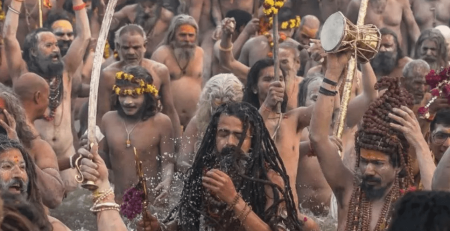
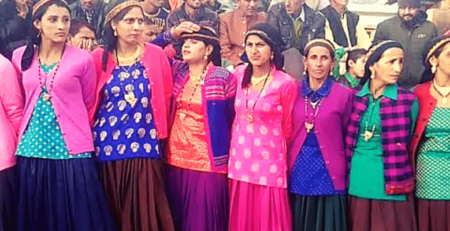
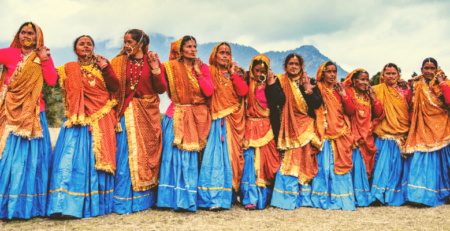
The Garhwali people are the native inhabitants of the Garhwal region in Uttarakhand, India. Known for their deep connection to the Himalayan landscape, the Garhwali people have a strong sense of community and cultural pride. Their way of life revolves around traditional agriculture, craftsmanship, and a rich oral tradition of storytelling through folk songs and tales. The Garhwali people celebrate various festivals, such as Harela and Phool Dei, which highlight their close relationship with nature and the cycles of the seasons. With a strong devotion to Hinduism, they often embark on pilgrimages to sacred sites like Kedarnath and Badrinath, blending their spiritual beliefs with the natural beauty of their surroundings.
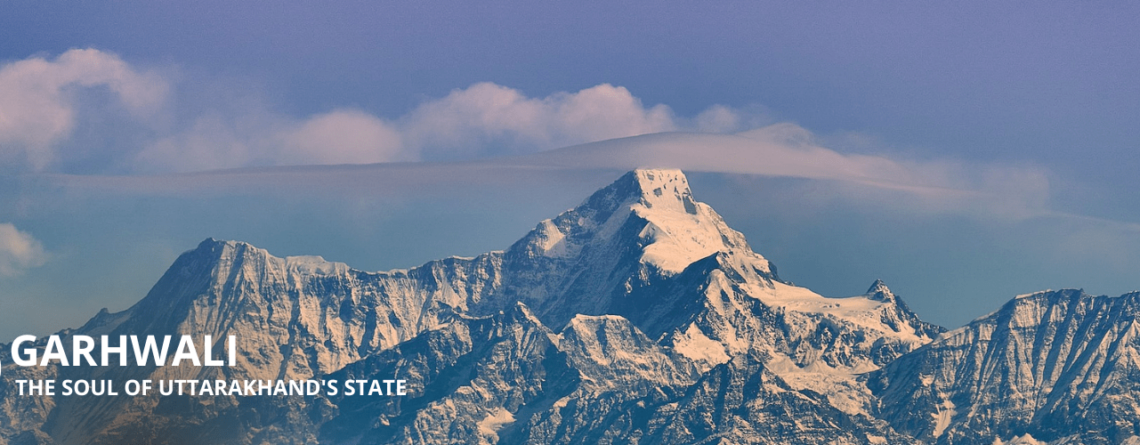
The Garhwali people, indigenous to the Garhwal region of Uttarakhand, India, embody a unique blend of rich cultural heritage, deep-rooted traditions, and a profound connection to their mountainous homeland. Their distinctive lifestyle, vibrant traditions, and community spirit paint a vivid picture of life in one of the most scenic and culturally significant areas of India.
Cultural Heritage and Language
The Garhwali people speak Garhwali, an Indo-Aryan language with a rich array of dialects reflecting the region’s diverse geography. This language is not only a means of communication but also a vessel for preserving local folklore, songs, and traditional knowledge. Hindi is also widely spoken, particularly in urban areas, serving as a bridge to the broader Indian context.
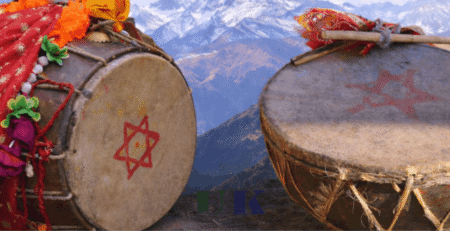
The region’s cultural heritage is manifested in its traditional music and dance. Folk music, characterized by the use of instruments like the dhol, damau, and tangna, is integral to celebrations and community events. Traditional dances such as the Langvir and Chholiya are performed during festivals, showcasing the community’s artistic expression and traditional rhythms.
Religion and Spirituality
Religion plays a central role in the lives of the Garhwali people. The majority practice Hinduism, with worship centered around major deities such as Lord Shiva, Lord Vishnu, and various local goddesses. The Char Dham pilgrimage—encompassing Yamunotri, Gangotri, Kedarnath, and Badrinath—holds immense spiritual significance and draws devotees from across India.
In addition to mainstream Hindu deities, the Garhwali people venerate numerous local deities and spirits. These include village deities and ancestral spirits, whose worship involves traditional rituals and festivals. Local festivals, such as the Nanda Devi Fair and the Kedar Mahadev Fair, highlight the rich tapestry of local religious practices and communal celebrations.
Lifestyle and Occupation
Traditionally, the Garhwali economy is centered around agriculture. The region’s terraced fields are used for cultivating crops such as rice, wheat, barley, and pulses. The harsh mountainous terrain necessitates unique farming methods adapted to the environment. In addition to farming, traditional crafts such as weaving, pottery, and woodwork play a significant role in the local economy.
Many Garhwali people also engage in small-scale trade and local businesses. While agriculture remains a cornerstone, there is a growing trend towards diversification of livelihoods, including migration to urban areas for better opportunities.
Festivals and Social Structure
Festivals are a vital part of Garhwali life, marking both religious occasions and seasonal changes. The Nanda Devi Fair, dedicated to the goddess Nanda Devi, involves elaborate processions and communal festivities. The Kedar Mahadev Fair, held at the Kedarnath temple, attracts pilgrims and features a range of religious ceremonies and celebrations.
Socially, Garhwali families traditionally follow a joint family system, where extended families live together and support one another. This system fosters strong family bonds and a sense of communal responsibility. Social life in Garhwal is deeply intertwined with religious and cultural practices, reinforcing community cohesion and continuity.
Challenges and Modernization
The Garhwali people face several challenges, including migration, which is driven by the search for economic opportunities and modernization. This migration affects traditional practices and lifestyles, leading to a gradual shift away from some cultural customs.
Development issues such as inadequate infrastructure, limited access to education and healthcare, and environmental concerns also impact the region. Efforts are ongoing to address these challenges through sustainable development practices and conservation initiatives aimed at preserving the region’s natural beauty and cultural heritage.
Education and Modern Influences
Education has brought significant changes to Garhwali society, offering greater opportunities for younger generations. Many Garhwali individuals pursue higher education and careers beyond the region, contributing to a blend of traditional and modern values.
The influence of modern media and technology has also impacted traditional lifestyles. While this has introduced new ways of communication and information access, it also poses challenges to preserving cultural practices.
Environmental and Cultural Preservation
There is a growing awareness among the Garhwali people and various organizations about the need to preserve the environment and protect cultural heritage. Conservation efforts focus on sustainable development, protecting natural resources, and revitalizing traditional practices.
Top Influential Figures from Garhwal
Legends, Deities, and Historical Icons Shaping the Region
Sage Vashistha
Legend: Sage Vashistha is one of the revered seven sages (Saptarishi) in Hindu tradition, believed to have meditated in the Garhwal region. His connection with sacred rivers and spiritual practices is significant in Garhwali legend.
Approximate Year: Ancient, Vedic period, around 1500–500 BC
Location: Near Rishikesh, Garhwal region, Uttarakhand, India
Sage Narad
Legend: Sage Narad is known for his wisdom and devotion as a divine messenger in Hindu mythology. His stories and teachings are integral to the spiritual traditions in Garhwal.
Approximate Year: Ancient, Vedic period, around 1500–500 BC
Location: Himalayan region, including Garhwal, Uttarakhand, India
Sage Markandeya
Legend: Sage Markandeya is famous for his exceptional longevity and devotion. He is associated with various sacred sites and is revered for his deep spiritual insights.
Approximate Year: Ancient, around 1st millennium BC
Location: Himalayan region, including Garhwal, Uttarakhand, India
Sage Kapila
Legend: Sage Kapila, the founder of the Samkhya philosophy, is known for his intellectual and spiritual contributions. His teachings have influenced various philosophical and spiritual traditions.
Approximate Year: Ancient, around 6th century BC
Location: Himalayan region, including Garhwal, Uttarakhand, India
Sage Bhrigu
Legend: Sage Bhrigu, one of the Saptarishi, is associated with numerous spiritual sites in the Himalayas. His contributions to Vedic astrology and spirituality are highly regarded.
Approximate Year: Ancient, Vedic period, around 1500–500 BC
Location: Himalayan region, including Garhwal, Uttarakhand, India
Sage Patanjali
Legend: Sage Patanjali, known for his work on the Yoga Sutras, is associated with the early development of Yoga and Sanskrit grammar. His contributions are crucial to the understanding of yoga and meditation practices.
Approximate Year: Ancient, around 2nd century BC
Location: Himalayan region, including Garhwal, Uttarakhand, India
Sage Agastya
Legend: Sage Agastya is known for his vast knowledge and is revered in several spiritual traditions. His contributions to the Vedic literature and spiritual practices are significant.
Approximate Year: Ancient, around 1500–500 BC
Location: Himalayan region, including Garhwal, Uttarakhand, India
Sage Yajnavalkya
Legend: Sage Yajnavalkya is a prominent figure in Vedic literature and is known for his teachings on philosophy and spiritual wisdom. His dialogues are central to the Upanishads.
Approximate Year: Ancient, around 800–500 BC
Location: Himalayan region, including Garhwal, Uttarakhand, India
Raja Prithu
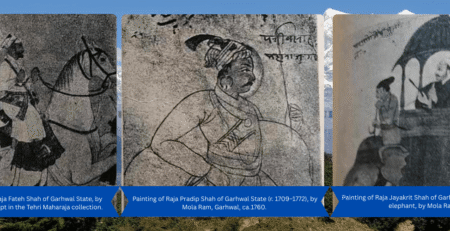
Legend: Raja Prithu is considered a historical and mythical figure associated with the establishment of the Garhwal kingdom. He is revered for his just rule and is believed to be the namesake of Garhwal.
Approximate Year: Ancient, around 7th century AD
Location: Garhwal region, Uttarakhand, India
Raja Kesar Singh
Legend: Raja Kesar Singh is celebrated for his bravery and leadership during the medieval period. His efforts in strengthening and governing the Garhwal kingdom are well-regarded.
Approximate Year: Medieval period, around 17th century AD
Location: Garhwal region, Uttarakhand, India
Raja Tripur Singh
Legend: Raja Tripur Singh is known for his role in the regional politics and defense of Garhwal. His efforts in maintaining the sovereignty and security of his kingdom are noteworthy.
Approximate Year: Medieval period, around 17th century AD
Location: Garhwal region, Uttarakhand, India
Famous People from Uttarakhand Garhwal
Garhwal, a region renowned for its natural beauty and cultural richness, has been home to several influential figures who have made significant contributions across various fields. Among its distinguished personalities is Gaura Devi, a pioneering environmental activist celebrated for her leadership in the Chipko Movement, which played a crucial role in environmental conservation. Darwan Singh Negi, a heroic soldier, is honored for his bravery and was awarded the Victoria Cross for his exceptional valor. Ajit Doval, a prominent national security advisor, has been instrumental in shaping India’s security policies. The region has also produced notable political leaders who have significantly impacted the state’s development.
Additionally, figures from the arts and literature have brought recognition to Garhwal’s rich cultural heritage. These individuals highlight Garhwal’s diverse talent and its profound influence on broader societal and cultural landscapes.
If you are looking for famous people from Uttarakhand, click here to explore the list of notable figures who have made significant contributions in various fields.

Garhwali people embody a unique blend of tradition, spirituality, and resilience that defines the Garhwal region. Their deep-rooted cultural practices, including their language, folklore, and festivals, reflect a rich heritage that has been shaped by both historical and mythical influences. The Garhwali community’s reverence for local deities, respect for sages, and pride in their historical kings illustrate their strong connection to their past and their enduring commitment to preserving their cultural identity. Through their vibrant traditions and collective memory, the Garhwali people continue to celebrate and sustain their distinctive cultural legacy.