Garhwal
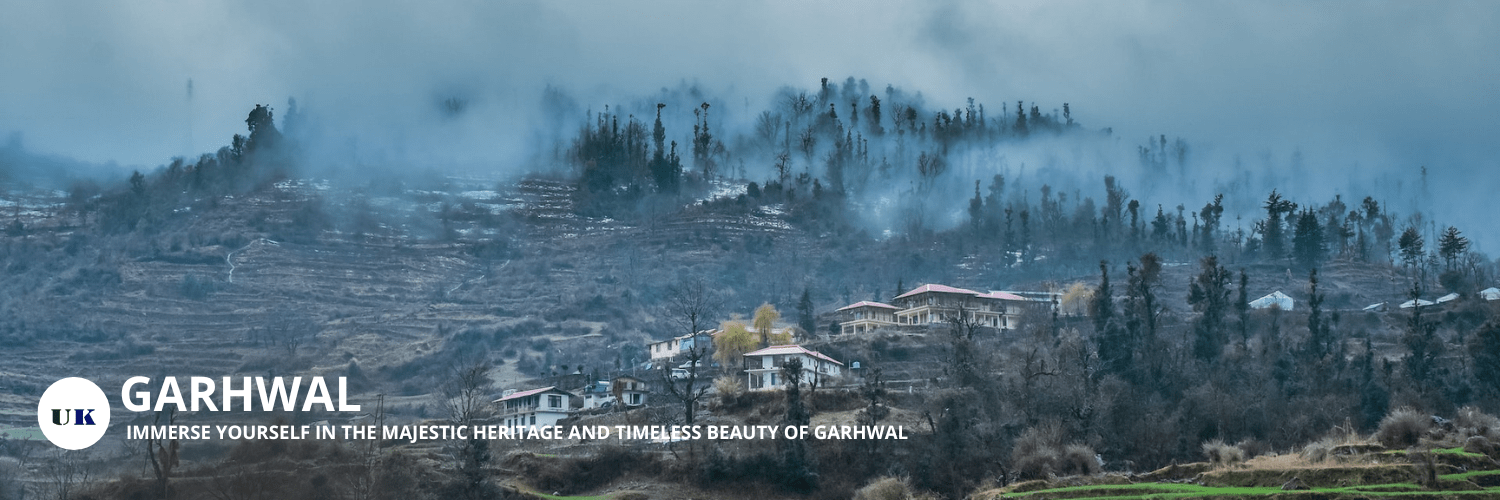
Garhwal, situated in the western part of Uttarakhand, India, is a region known for its breathtaking landscapes, rich cultural heritage, and historical significance. This area forms a vital part of the western Himalayas and is distinguished by its rugged terrain, majestic peaks, and spiritual prominence.
The Garhwal Kingdom
The Garhwal Kingdom, an ancient Indian kingdom located in what is now the Garhwal region of Uttarakhand, has a rich and storied history. Known for its strategic location in the western Himalayas, the kingdom played a significant role in the region’s political, cultural, and spiritual life.
The kings of Garhwal, a historic region in Uttarakhand, India, played significant roles in shaping its history and culture. Here are some notable kings of Garhwal:
Raja Prithu (c. 7th century AD)
Raja Prithu is often regarded as the founder of the Garhwal kingdom. He is celebrated for his just rule and is considered the namesake of Garhwal. His reign is associated with establishing the region’s early political structure.
Raja Kesar Singh (c. 17th century AD)
Raja Kesar Singh is remembered for his leadership and military prowess. His reign was marked by efforts to strengthen the Garhwal kingdom amidst external threats and internal challenges.
Raja Som Chand (c. 16th century AD)
Raja Som Chand was a notable ruler who played a crucial role in expanding and consolidating the Garhwal kingdom. His contributions to the region’s defense and administration are well-regarded.
Raja Ajai Pal (c. 14th century AD)
Raja Ajai Pal is known for his contributions to the Garhwal kingdom’s consolidation and development. His reign was marked by efforts to fortify the kingdom and promote regional stability.
Raja Ganshyam Singh (c. 19th century AD)
Raja Ganshyam Singh was a significant ruler during the late 19th century. His rule is noted for its efforts to modernize the administration and address the challenges faced by the Garhwal kingdom during British colonial rule.
Raja Chandra Sen (c. 18th century AD)
Raja Chandra Sen is remembered for his role in defending the Garhwal kingdom from external invasions and internal strife. His leadership during turbulent times was pivotal for the kingdom’s survival.
Raja Fateh Shah (c. 16th century AD)
Raja Fateh Shah is noted for his military campaigns and efforts to expand the Garhwal kingdom’s influence. His reign contributed to the kingdom’s prominence in the region.
Raja Rudra Pratap (c. 15th century AD)
Raja Rudra Pratap was a prominent king known for his administrative reforms and efforts to stabilize the Garhwal region. His rule is remembered for its focus on governance and regional development.
Raja Bahadur Singh (c. 17th century AD)
Raja Bahadur Singh is known for his contributions to the Garhwal kingdom’s cultural and economic growth. His reign saw significant developments in the region’s infrastructure and administration.
Raja Ram Singh (c. 19th century AD)
Raja Ram Singh was a significant figure in the later years of the Garhwal kingdom. His rule was marked by efforts to manage the kingdom’s affairs during the colonial period and maintain its heritage.
Uttarakhand, nestled in the northern part of India, is a state renowned for its breathtaking landscapes and rich cultural heritage. The state is traditionally divided into two prominent regions: Garhwal and Kumaon. Each region has its own unique characteristics, history, and cultural significance, contributing to the overall diversity of Uttarakhand.
Geography and Terrain
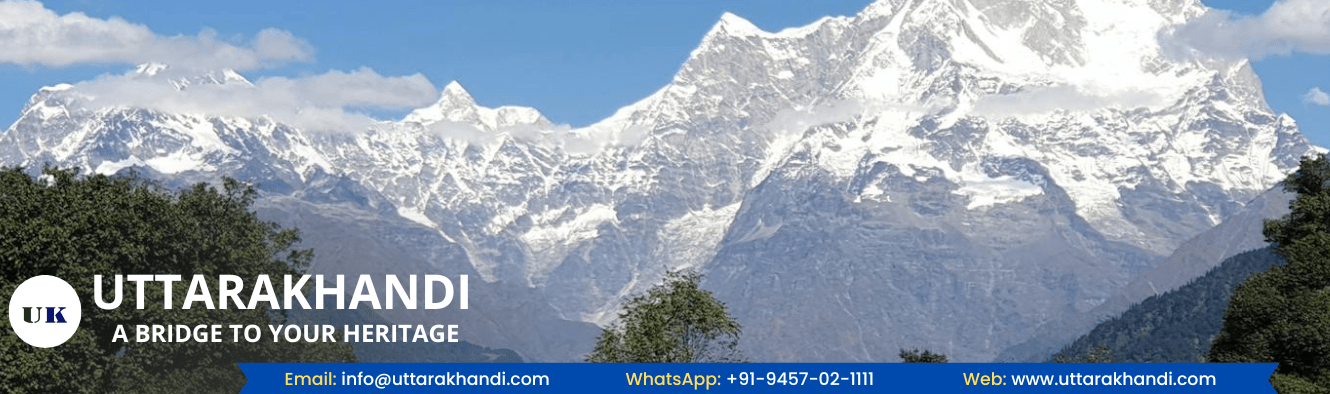
Garhwal is characterized by its towering mountains, lush valleys, and mighty rivers. The region is part of the greater Himalayan range, with some of India’s highest peaks like Nanda Devi and Kedarnath situated here. The Alaknanda and Bhagirathi rivers, which form the Ganges, flow through the heart of Garhwal, adding to its geographical and spiritual importance.
Due to its rugged terrain, Garhwal is ideal for trekking, mountaineering, and adventure tourism. Popular trekking destinations include Kedarkantha, Chopta, and Har Ki Dun, each offering breathtaking views of snow-clad peaks and alpine meadows.
Cultural Heritage
Garhwali culture is vibrant, deeply rooted in traditions, and reflects the way of life in the Himalayas. The Garhwali people have a strong sense of community, and their customs are closely tied to the mountainous environment they inhabit.
Folk Music and Dance: Garhwal is known for its traditional folk music and dance forms like Jagar (spiritual singing), Barada Nati, and Langvir Nritya. These performances are often linked to religious rituals, local festivals, and social gatherings.
Garhwali Language: The Garhwali language, an Indo-Aryan dialect, is spoken widely in the region and is a significant part of the cultural identity. It has a rich tradition of folk songs, oral poetry, and literature that reflects the everyday life and emotions of the people.
Festivals: Major festivals celebrated in Garhwal include Nanda Devi Raj Jat, Baisakhi, and Harela. These festivals not only have religious importance but also bring the community together in celebrations that showcase the region’s folk traditions.
Spiritual and Religious Importance
Garhwal is often referred to as the “Dev Bhoomi” or “Land of the Gods” because of the numerous temples and pilgrimage sites scattered across the region. Some of the most significant religious sites include:
- Badrinath: One of the four sacred Char Dham pilgrimage sites in India, dedicated to Lord Vishnu.
- Kedarnath: Another Char Dham site, this ancient temple dedicated to Lord Shiva is one of the holiest shrines in Hinduism.
- Gangotri and Yamunotri: The sources of the sacred Ganges and Yamuna rivers, respectively, these sites are important pilgrimages for Hindus.
In addition to these famous temples, Garhwal is dotted with smaller shrines and sacred places that hold local religious importance, contributing to the deeply spiritual atmosphere of the region.
Tourism and Adventure
Garhwal attracts a wide variety of visitors, from pilgrims and spiritual seekers to adventure enthusiasts. The region’s scenic beauty, coupled with its religious significance, makes it a top destination for trekking, rafting, and nature tourism. Popular tourist destinations include:
- Rishikesh: Known as the “Yoga Capital of the World,” Rishikesh is a hub for spirituality, meditation, and adventure activities like river rafting.
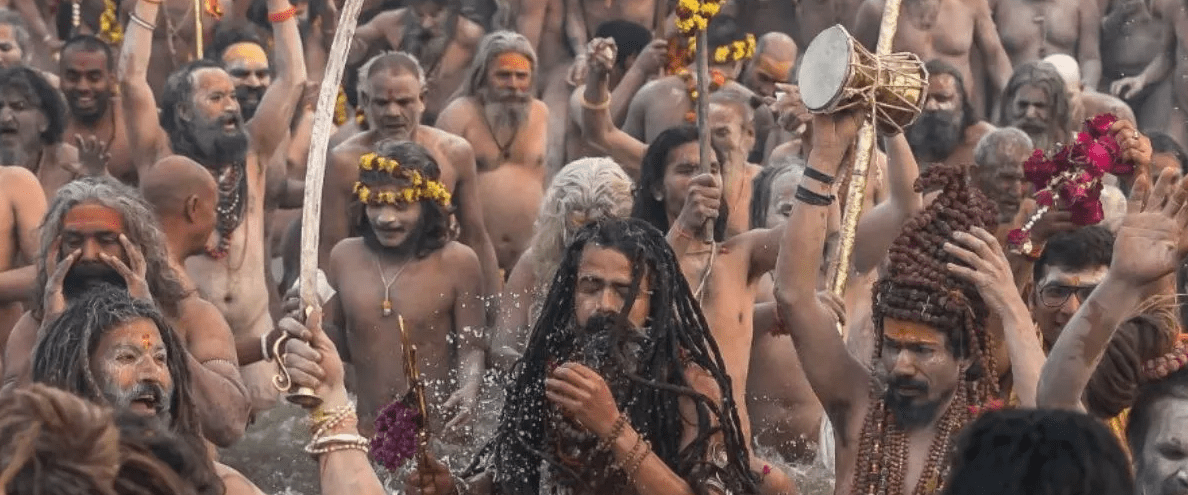
- Haridwar: A major pilgrimage site where the Ganges River leaves the Himalayas, Haridwar is famous for the Ganga Aarti, a daily river-worshipping ceremony.
Garhwal is a region that encapsulates the beauty of the Himalayas and the depth of India’s spiritual and cultural heritage. Whether through its towering peaks, sacred rivers, or rich traditions, Garhwal offers a unique experience that connects people to nature, history, and the divine. Its enduring legacy continues to attract visitors from across the globe, who come to explore, experience, and be transformed by this mystical land.