Ganga Dussehra
A Festival of Virtue and Faith
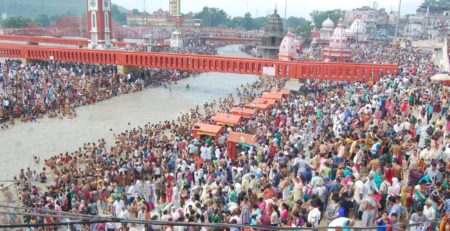
Ganga Dussehra is a significant Hindu festival celebrated to honor the descent of the Ganges River on Earth. This festival is observed every year on the Dashami (tenth day) of the Shukla Paksha (waxing phase) in the month of Jyeshtha. Ganga Dussehra holds great importance as it is believed to be a time when one can attain freedom from sins and salvation. On this day, devotees perform special rituals and bathe in the holy waters of the Ganga.
Significance of Ganga Dussehra
Ganga Dussehra is deeply associated with religious faith and purity. In Hinduism, the Ganges is worshipped not merely as a river but as a mother. It is believed that bathing in the Ganges cleanses one of sins and leads to salvation. The water of the Ganges is considered sacred and life-giving, and millions of devotees flock to its banks on Ganga Dussehra to bathe and perform rituals.
The Mythological Story of Ganga’s Descent
Ganga Dussehra is linked to the penance of King Bhagirath, who performed rigorous austerities to bring the Ganges from heaven to Earth for the salvation of his ancestors. According to the legend, the souls of King Sagar’s 60,000 sons could only find peace if the Ganges descended to Earth. After intense meditation, Bhagirath succeeded in bringing the Ganges, but her powerful current threatened to destroy the Earth. Lord Shiva then caught the Ganges in his matted locks, allowing her to flow gently onto the Earth.
Rituals of Ganga Dussehra
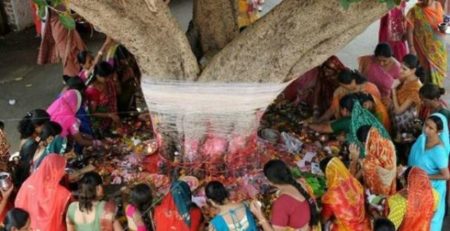
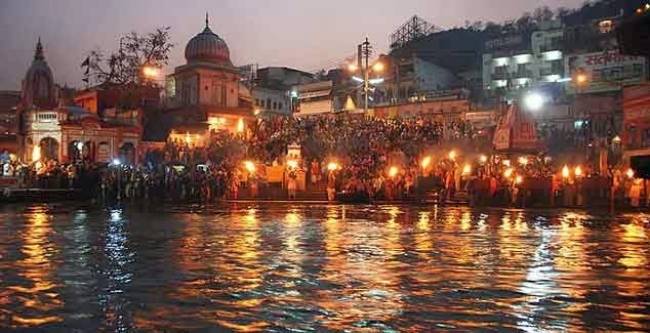
On Ganga Dussehra, bathing in the Ganges and performing rituals are of paramount importance. Bathing in the Ganga during Brahma Muhurta (early dawn) is said to bring immense merit. If one cannot visit the Ganga, bathing at home with Ganga water is also considered beneficial. After bathing, devotees perform aarti (offering of lights) to the river and offer prayers. They also perform rites for their ancestors and pray for their peace.
Key Features of Ganga Dussehra
Cleansing of Sins: Bathing in the Ganges on Ganga Dussehra is believed to cleanse one of all sins.
Blessings from Ancestors: Bathing in the Ganges on this day is said to please ancestors, who bestow their blessings upon the devotees.
Jalabhishek (Offering Water): On Ganga Dussehra, it is customary to offer Ganga water to Lord Shiva and other deities.
Freedom from Ten Sins: The word “Dussehra” refers to freedom from ten sins. It is believed that bathing in the Ganges on this day helps a person rid themselves of these sins.
Other Religious Activities During Ganga Dussehra
In addition to bathing in the Ganges and performing rituals, Ganga Dussehra is marked by various other religious activities. Charity and donations hold special significance on this day. People donate food, clothing, and money according to their capacity. It is also a tradition to offer food to Brahmins and give them alms, which brings prosperity to the family.
Cultural and Social Importance of Ganga Dussehra
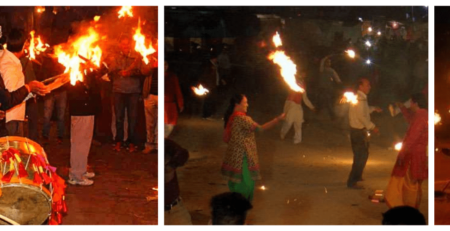
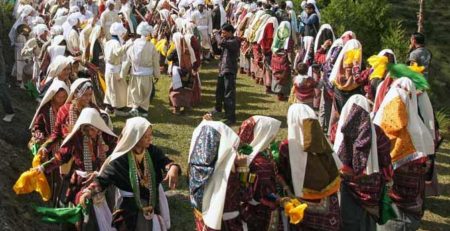
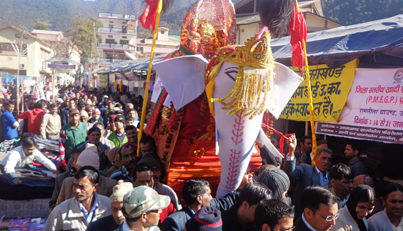
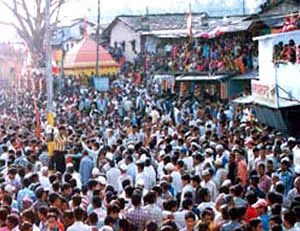
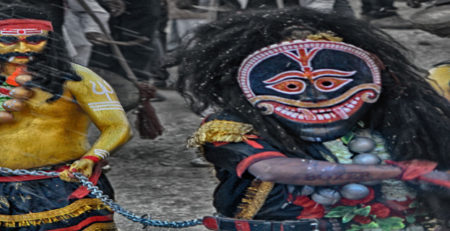
Ganga Dussehra is not only important from a religious perspective but also represents unity and harmony in society. On the occasion of Ganga Dussehra, devotees gather at the riverbanks for fairs and cultural programs. Local artists showcase their talents, promoting religious and cultural awareness in society.
Ganga Dussehra is a sacred and highly significant festival for Indian society. The message of this festival is to maintain purity, honesty, and harmony in our lives. The devotion and reverence for Mother Ganga on this occasion help to keep us connected to our cultural roots. The greatness of Ganga Dussehra teaches us that the Ganges is not merely a river but a source of life and salvation.