Bisht Community (Bisht Caste)
A Proud Name, A Rich Heritage.
Bisht Caste is a significant family name among the people of the northern Indian hills and Nepal, associated with the Khas group under the Chhetri caste and considered part of the Rajputs. The term “Bisht” is derived from the Sanskrit word “Vishishta,” meaning ‘distinguished’ or ‘prestigious.’ Historically, this term was also used for individuals who received land from the government.
In Nepal, the Rautes and Rajis have adopted this surname, while in Uttarakhand, Bisht families are primarily known as Thulkars (landowners) of Thuljat origin. In the Kumaon region, during ancient times, Rajput rulers would use the Bisht surname alongside their names. The Bisht surname is also prevalent in Garhwal, where Rajput individuals append it to their names.
Thus, the Bisht caste is not only significant for its cultural and historical identity but also establishes an important communal connection among the people of Uttarakhand and Nepal.
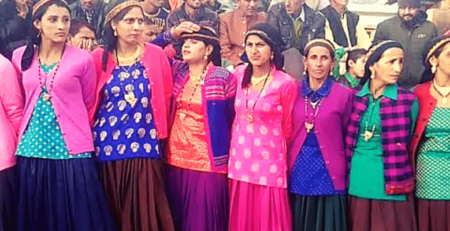
In Garhwal, the Bisht caste is considered part of the Rajputs, comprising several sub-castes and sub-groups. This indicates that the Bisht caste is not derived from a single group but rather formed from a mixture of various castes. These castes migrated from different places to settle in Garhwal, Uttarakhand, and Kumaon, reflecting the region’s cultural diversity.
Bagdwal Bisht: The Bagdwal Bisht people migrated from Sirmaur, Himachal Pradesh, to Garhwal in the year 1519 Samvat. Their first settlement is believed to be the village of Bagodi/Bagod.
Kafola Bisht: These individuals are considered descendants of the Yaduvanshi clan, who migrated from a place called Kampila to Garhwal and settled in the Kafolasyun region of Pauri Garhwal.
Chamola Bisht: The Chamola Bisht caste, belonging to the Panwar lineage, migrated from Ujjain to Garhwal in the year 1443 Samvat. They are named after settling in the Chamoli region of Garhwal.
Idwal Bisht: Believed to be of the Parihar lineage, they migrated from an unknown location near Delhi to Garhwal in the year 913 Samvat, becoming known for residing in the village of Id.
Sangela/Sangla Bisht: The Sangela Bisht people migrated from the Gujarat region to Garhwal in the year 1400 Samvat.
Mulani Bisht: These individuals are considered descendants of the Kaintyura clan, who migrated from the Kumaon region to Garhwal in the year 1403 Samvat and settled in the village of Mulani.
Dhammada Bisht: They are related to the Chauhan clan and were originally from Delhi, settling in Garhwal.
Padiyar Bisht: Considered descendants of the Parihar lineage, they migrated to Garhwal from the Dhar region in the year 1300 Samvat.
Sabalya Bisht: These individuals are descendants of the Surya Vanshi clan and belong to the Upmanyu gotra. They are regarded as descendants of the Katiyuri clan, having first migrated from Ujjain to the Sabali region of Garhwal and later to Kumaon.
There are also Tilla Bisht, Bachhawan Bisht, Bharela Bisht, Heet Bisht, Seela Bisht, and others. Thus, the Bisht caste reflects the cultural diversity of Garhwal, Uttarakhand, and Kumaon, encompassing the rich traditions and history of various sub-castes, showcasing a blend of influences from different regions and communities.
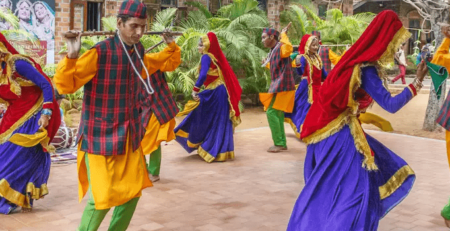
The Bisht community, deeply rooted in the cultural and historical tapestry of Uttarakhand, embodies a rich legacy that transcends mere lineage. Recognized as Kshatriya Rajputs, the Bishts illustrate the confluence of various sub-castes and traditions that have settled in the Garhwal and Kumaon regions over centuries. Their name, derived from the Sanskrit term “Vishishta,” signifies distinction and honor, further underscoring their esteemed position within society. As a community, the Bishts not only preserve their noble heritage but also contribute to the diverse cultural landscape of the northern Indian hills and Nepal, enriching the traditions and histories of the regions they inhabit. Through their various sub-groups, each with its unique story and origin, the Bishts showcase a vibrant blend of influences, celebrating the unity and diversity of their identity.