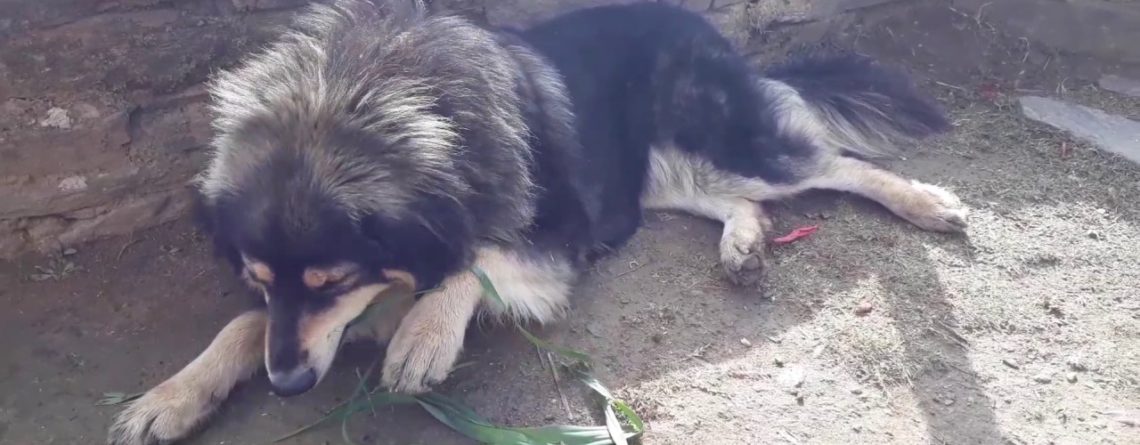
Bhotia Dog (Bhutia Dog) in Uttarakhand
The Loyal Guardian of Uttarakhand’s Himalayas
The Bhotia Dog, also known as the Bhutia Dog or the Himalayan Sheepdog, is a remarkable breed indigenous to the Himalayan region of India, particularly in Uttarakhand, Himachal Pradesh, and parts of Nepal and Tibet. This breed is deeply connected to the rugged, high-altitude terrain of the mountains and has served the people of these areas for centuries, providing protection, loyalty, and assistance in their daily lives. Bhotia Dog, also known as the Himalayan Sheepdog, is a revered breed indigenous to the high-altitude regions of Uttarakhand, particularly among the nomadic communities of the Himalayas. Renowned for its strength, loyalty, and protective nature, the Bhotia dog plays an essential role in the lives of the people living in these challenging terrains.
Origin and History
The name Bhotia or Bhutia is derived from the word “Bhot”, meaning Tibet. It reflects the dog’s Tibetan heritage, as the breed is believed to have originated in Tibet and migrated to the Indian subcontinent with the Bhotia or Bhot tribes, who are known for their nomadic lifestyle in the high-altitude regions of the Himalayas. These people bred the Bhotia Dog to help with a variety of tasks, including herding livestock, guarding their homes, and assisting in the transport of goods.
Over time, the Bhotia Dog became an essential companion for these tribes, serving not only as a working dog but also as a beloved family member. Today, the breed is still an integral part of life in the mountainous regions of Uttarakhand and neighboring areas.
Physical Characteristics
The Bhotia Dog is known for its strong, sturdy build, which is perfectly suited to the harsh and cold climates of the Himalayas. Some defining physical traits include:
- Size: Medium to large, with males weighing between 25 to 30 kilograms.
- Coat: A thick double coat, consisting of a dense, soft undercoat and a coarser outer coat. This double coat provides protection against the cold and harsh weather conditions that the dog faces in the mountains.
- Color: The Bhotia Dog’s coat can come in a variety of colors, including white, cream, brown, and black. Many Bhotia Dogs have a mix of these colors, often with a white or cream-colored face and darker patches on the body.
- Head and Ears: They have a broad head with a strong jawline and erect ears, which help them stay alert and responsive to their surroundings.
- Tail: The tail is bushy and curls over the back, a feature typical of high-altitude dogs.
Temperament and Behavior
The Bhotia Dog is known for its intelligence, loyalty, and courage. These dogs have been bred to endure the challenges of living in the high mountains, and their temperament reflects their tough yet affectionate nature. Some of their key behavioral traits include:
- Loyal and Protective: Bhotia Dogs are fiercely loyal to their families and territory. They are known to be excellent guard dogs, protecting homes, livestock, and even crops from intruders and predators such as leopards, wolves, and bears.
- Independent: While loyal, the Bhotia Dog is also independent, a characteristic that is often beneficial when working in isolation in the mountains. This independence, however, means that they may not always be as eager to please as other breeds, requiring consistent training.
- Intelligent and Alert: These dogs are quick learners and excel at tasks such as herding, guarding, and carrying loads across difficult terrain. Their intelligence and alertness make them excellent working dogs in high-altitude environments.
- Affectionate: Despite their protective and independent nature, Bhotia Dogs are also affectionate and gentle with their families. They are especially known for their devotion to children and the elderly in the family.
Role in Uttarakhand’s Culture
The Bhotia Dog has a deeply embedded role in the culture of the Himalayan people. Historically, these dogs were essential for survival in the mountains and were relied upon for various purposes, such as:
- Guarding Livestock: One of the primary roles of the Bhotia Dog is guarding livestock. The dog’s keen senses and protective instincts make it an excellent defender against predators like wolves, leopards, and bears. Shepherds in Uttarakhand have long relied on these dogs to protect their herds of sheep, goats, and cattle.
- Assisting in Transport: Due to their strength and stamina, Bhotia Dogs were used to carry loads across mountain passes. They could carry up to 20 kilograms of weight, which made them indispensable during trade and travel between regions.
- Cultural Significance: The Bhotia Dog is not just a working dog but also a beloved companion. It represents the strength, endurance, and resilience of the people living in the high mountains. The Bhotia tribe’s reliance on these dogs for survival and companionship has made them a significant part of the region’s cultural identity.
Conservation and Challenges
Unfortunately, despite its historical importance, the Bhotia Dog is facing challenges today. The breed’s numbers are declining, and crossbreeding with other dogs has diluted some of its original traits. Moreover, as modern farming practices have evolved, the need for traditional herding and guarding dogs has decreased, leading to a reduction in demand for purebred Bhotia Dogs.
Efforts are being made to protect the breed, including initiatives to promote awareness of its importance and conserve its purebred lineage. Local communities, alongside governmental and non-governmental organizations, are working towards preserving the Bhotia Dog and ensuring that its traditional roles are maintained for future generations.
The Bhotia Dog (also known as the Bhutia Dog or Himalayan Sheepdog) is much more than just a breed; it stands as a symbol of the enduring spirit of the Himalayan region. Known for its impressive strength, unwavering loyalty, and sharp intelligence, the Bhotia Dog has long served as a protector, companion, and cultural icon for the people of Uttarakhand and surrounding areas. As the breed faces challenges such as crossbreeding and declining numbers, it is vital to support conservation efforts, ensuring that this remarkable canine continues to play a significant role in the rich tapestry of Himalayan life for generations to come.
Exemplifying the essence of the Himalayan lifestyle, the Bhotia Dog is deeply intertwined with the culture and traditions of the region. Its loyalty, protective instincts, and adaptability to harsh, high-altitude climates make it an essential companion to the communities it serves. Whether herding livestock, guarding homes, or providing assistance in mountainous terrain, the Bhotia Dog remains an indispensable part of life in the Himalayas. As appreciation for indigenous dog breeds grows, the Bhotia Dog continues to capture the hearts of both dog lovers and those who admire its unique qualities and unwavering connection to the land.