Bajuband: The Melancholic Folk Song of Uttarakhand
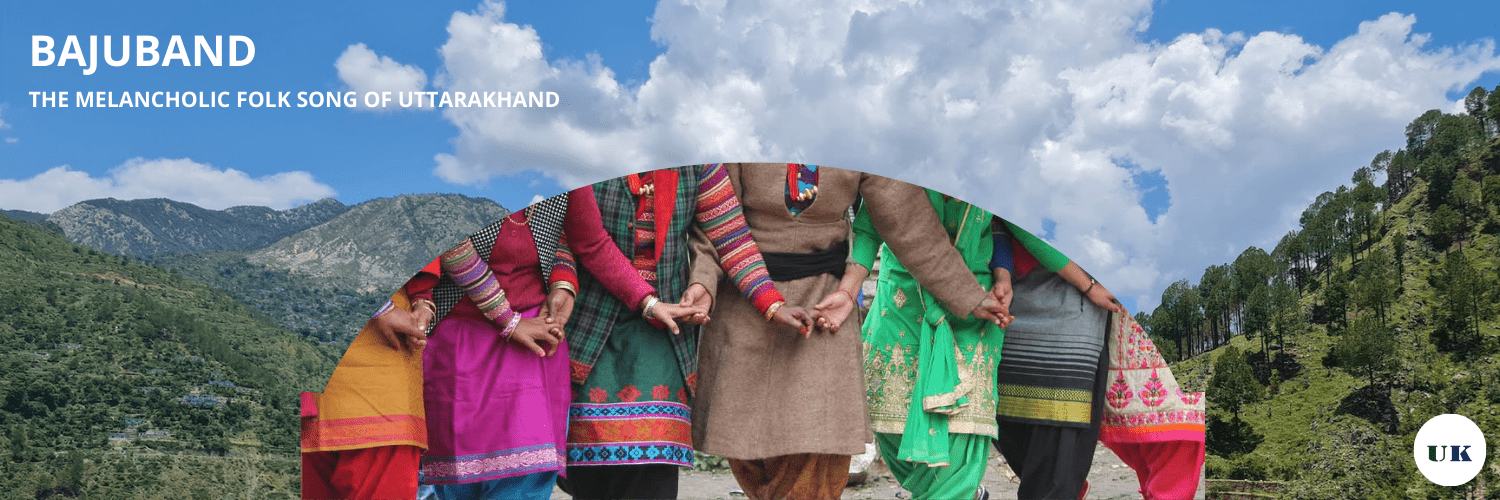
Bajuband is a poignant folk song from Uttarakhand, especially cherished in the Garhwal and Kumaon regions. Known for its melancholic tune, this song narrates tales of love, separation, and longing, often symbolized by the bajuband (armlet), a token of love. Sung in a duet style, it beautifully captures the pain of distant lovers and the emotional bonds of rural life. Deeply rooted in tradition, Bajuband continues to evoke nostalgia and remains a timeless expression of the region’s cultural identity.
The Essence of Bajuband
The word “Bajuband” refers to an armlet, symbolizing love and commitment in traditional Kumaoni and Garhwali culture. The song revolves around themes of love, separation, and sacrifice, often highlighting the pain experienced by lovers who are forced to part due to circumstances like migration, work, or war. The lyrics of Bajuband are filled with deep emotions, often evoking a sense of nostalgia and sorrow, making it one of the most poignant folk songs in Uttarakhand.
Musical Structure and Performance
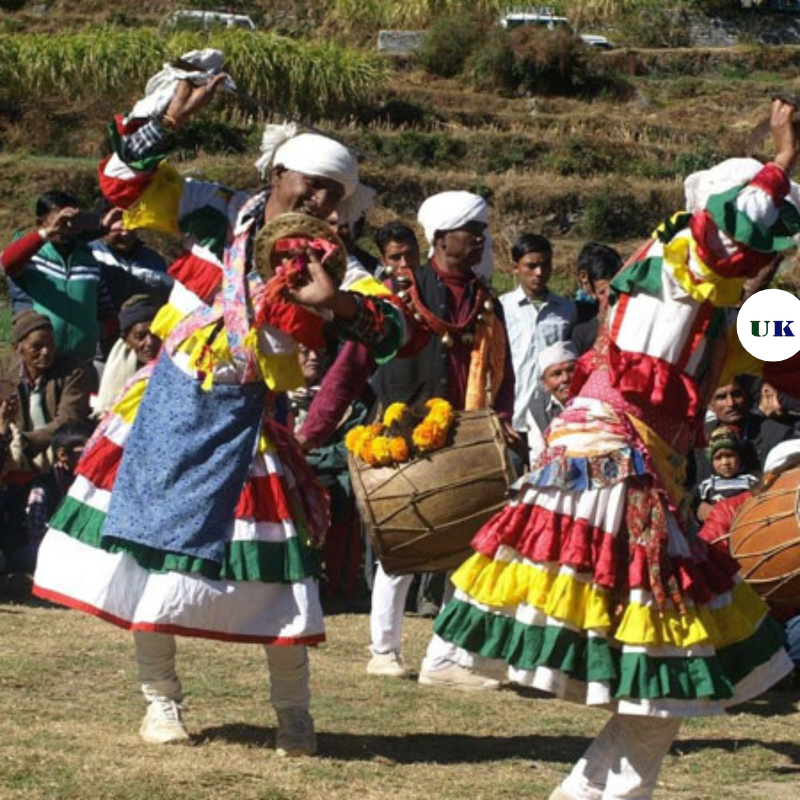
Bajuband is typically performed as a duet, where one singer expresses the emotions of a separated lover while the other responds with words of consolation or longing. The slow and melodic tune is accompanied by traditional instruments like the dholak, ransingha, and tabla, which create a soothing yet somber atmosphere. The music’s simplicity allows the lyrics and emotions to take center stage, making it a song that resonates deeply with listeners.
Cultural Significance
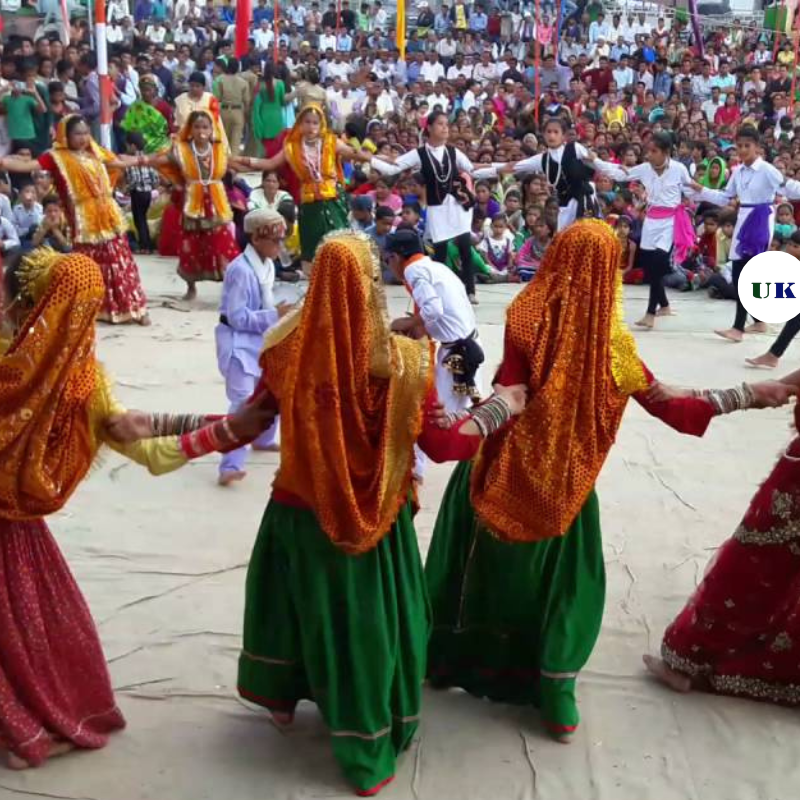
In the villages of Garhwal and Kumaon, Bajuband is more than just a song; it is a medium of storytelling that reflects the region’s history, customs, and social realities. Migration for work has been a significant part of life in Uttarakhand for centuries, with many young men leaving their homes to earn a livelihood in distant cities. Bajuband captures the emotional turmoil of these separations, giving voice to the silent grief of those left behind.
The song is often performed during weddings, festivals, and community gatherings, where it serves as a reminder of the bittersweet nature of love and relationships. Its timeless appeal lies in its ability to convey complex emotions in simple yet powerful words, making it relatable across generations.
Themes and Symbolism
Bajuband’s lyrics often involve symbolic references to nature, with elements like mountains, rivers, and forests representing the barriers that lovers face. The armlet, or bajuband, is itself a powerful symbol of love, protection, and loyalty. In many versions of the song, the lover gifts a bajuband as a token of love before departing, promising to return and reunite. This promise often remains unfulfilled, adding to the song’s melancholic tone.
Preservation and Modern Adaptations
Despite the challenges of modernization and changing musical tastes, Bajuband continues to hold a special place in the hearts of people from Uttarakhand. Local artists and cultural groups have taken initiatives to preserve and promote this traditional song, ensuring it remains an integral part of the region’s cultural identity. Modern adaptations of Bajuband have also emerged, blending the traditional melody with contemporary sounds while retaining the emotional depth of the original.
Bajuband is a poignant reflection of the human experience, capturing the universal themes of love, loss, and longing. Through its soulful lyrics and melancholic melody, the song paints a vivid picture of the emotional landscapes of Garhwal and Kumaon. As a vital part of Uttarakhand’s cultural heritage, Bajuband continues to resonate with people, reminding them of the enduring bonds that connect them to their roots, their land, and their loved ones.
Bajuband is a deeply evocative folk song from Uttarakhand, particularly cherished in the Garhwal and Kumaon regions. This traditional song, known for its melancholic and emotional depth, explores themes of love, separation, and longing. The term bajuband refers to an armlet, which symbolizes love and commitment in the region’s cultural context. The song often depicts the sorrow of lovers parted by circumstances such as migration or work, with lyrics that convey profound emotional resonance. Performed typically as a duet, Bajuband features a slow, melodic tune accompanied by traditional instruments like the dholak and ransingha, enhancing its somber mood. The song serves as a poignant reflection of the human experience, capturing the essence of emotional bonds and the pain of separation. Its continued popularity underscores its significance in preserving Uttarakhand’s rich cultural heritage, resonating with audiences through its timeless portrayal of universal themes of love and loss.