Assan Barrage Bird Watching
Discover Asan Conservation Reserve, a premier bird-watching destination located 43 km from Dehradun. Home to over 40 migratory and native bird species, this Ramsar site offers the perfect blend of serene landscapes and rich biodiversity. Best visited from October to April, it’s a must-see for nature enthusiasts and bird lovers.
Nestled just 43 km from Dehradun, Asan Conservation Reserve, also known as Asan Barrage, is a picturesque destination renowned for its stunning natural beauty and incredible bird-watching opportunities. Situated at the confluence of the Yamuna and Asan rivers, this serene wetland offers a unique glimpse into the world of migratory and native bird species, making it one of the most sought-after birding destinations in the region.
A Wetland of International Importance
Asan Conservation Reserve holds significant ecological value. Established in 2005, it was India’s first conservation reserve and was recently designated as Uttarakhand’s first Ramsar site, earning the title of ‘Wetland of International Importance.’ This prestigious status highlights the area’s critical role in conserving biodiversity and providing a safe haven for migratory birds.
Spanning 4.5 square kilometers, Asan is also recognized as an Important Bird Area (IBA) by the Bombay Natural History Society (BNHS) and BirdLife International. Its protected environment provides the perfect habitat for a variety of bird species, making it a top destination for nature enthusiasts.
A Sanctuary for Birds
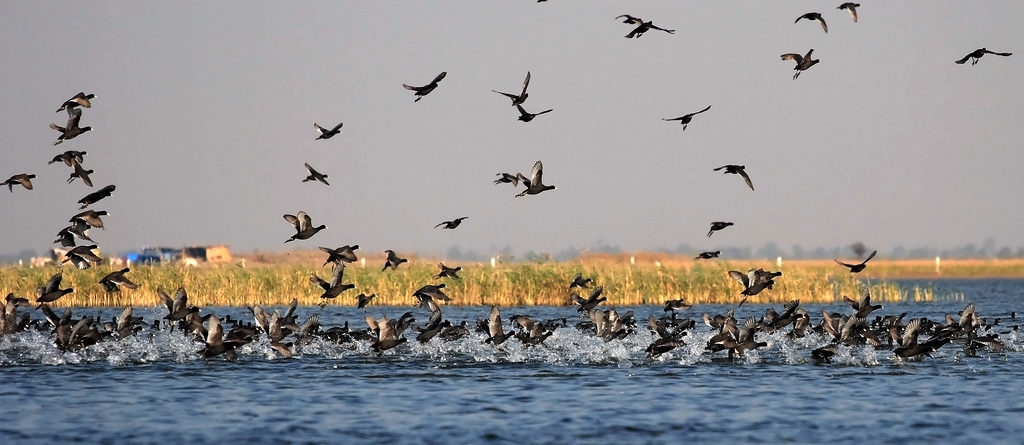
The beauty of Asan lies not only in its serene landscapes but also in the diverse array of birdlife it supports. The reserve is home to over 40 migratory bird species, making it an ideal spot for bird watchers. Among the most common sightings are the rudy shelduck, common coot, gadwall, kingfisher, Indian cormorant, baer’s pochard, northern pintail, and the elegant bar-headed goose. Asan is particularly famous for its large congregations of brahminy ducks, which are often seen in large groups, making for a spectacular sight.
The Best Time to Visit
While Asan Conservation Reserve is open to visitors year-round, the best time to visit for bird-watching is from October to April. During these months, migratory birds flock to the reserve, making it a prime time to observe a rich diversity of avian species. The winter months provide a perfect opportunity for bird enthusiasts to witness the stunning array of birds that call Asan home.
Eco-Friendly Amenities for Visitors
In order to make the most of your visit, Asan has developed eco-friendly infrastructure to ensure a comfortable and immersive experience. Demarcated walking routes have been set up throughout the reserve, allowing visitors to explore the area without disturbing the delicate ecosystem. Additionally, eco-huts are available for those wishing to stay overnight and experience the tranquility of the reserve in its entirety.
A Tranquil Escape into Nature
Whether you’re an experienced bird-watcher or simply someone looking to connect with nature, Asan Conservation Reserve offers a peaceful retreat that showcases the beauty and diversity of the natural world. Its unique combination of pristine landscapes, diverse birdlife, and eco-conscious amenities make it a must-visit destination for anyone interested in experiencing Uttarakhand’s natural wonders.
Plan your visit to Asan Conservation Reserve today, and immerse yourself in one of the region’s most remarkable bird-watching destinations.
FAQs
What is Assan Barrage, and why is it famous for bird watching?
Assan Barrage, located near Dehradun, Uttarakhand, is a popular bird-watching destination known for attracting over 250 species of resident and migratory birds. It is an artificial wetland created at the confluence of the Assan and Yamuna rivers, providing a rich habitat for both waterfowl and terrestrial birds.
Which are the best months for bird watching at Assan Barrage?
The best time to visit Assan Barrage for bird watching is from October to March, when thousands of migratory birds from Siberia, Europe, and Central Asia arrive. During these months, you can spot rare and exotic bird species such as the Ruddy Shelduck, Northern Pintail, and Bar-headed Goose.
What kind of birds can be spotted at Assan Barrage?
Assan Barrage is home to a diverse range of bird species, including:
- Migratory Birds: Bar-headed Goose, Common Pochard, Northern Shoveler, Tufted Duck.
- Water Birds: Ruddy Shelduck, Great Crested Grebe, Indian Cormorant, Black-necked Stork.
- Raptors: Osprey, Peregrine Falcon, Eurasian Marsh Harrier.
- Resident Birds: Kingfishers, Egrets, Cormorants, and Herons.
Is there an entry fee to visit Assan Barrage?
No, there is no entry fee to visit Assan Barrage, as it is an open natural site. However, visitors may need to pay for guided tours or bird-watching equipment rentals if they choose to hire local guides.
Are there any bird-watching guides available at Assan Barrage?
Yes, local guides and naturalists are available to help visitors identify different bird species and understand their behaviors. Many eco-tourism operators in Dehradun and Uttarakhand offer bird-watching tours for nature enthusiasts.
What are the best times of the day for bird watching at Assan Barrage?
The best time for bird watching is during the early morning (6 AM – 9 AM) and late afternoon (4 PM – 6 PM) when birds are most active and the light conditions are ideal for photography.
Is Assan Barrage suitable for beginner bird watchers?
Yes, Assan Barrage is an excellent destination for beginner bird watchers due to its easy accessibility, diverse bird population, and calm environment. The area offers clear views of birds, and many species can be observed without the need for advanced equipment.
What should I bring for bird watching at Assan Barrage?
To have the best bird-watching experience, it is recommended to bring:
- Binoculars or a spotting scope for better viewing.
- Camera with a zoom lens for bird photography.
- Bird identification book or mobile app to recognize species.
- Comfortable clothing in neutral colors to blend with the surroundings.
- Notebook and pen to take notes on bird sightings.
Is Assan Barrage safe for visitors?
Yes, Assan Barrage is safe for visitors, including families and solo travelers. However, visitors should stay away from deep waters, follow eco-tourism guidelines, and avoid disturbing the birds or their habitat.
How do I reach Assan Barrage?
Assan Barrage is easily accessible by road:
- By Air: The nearest airport is Jolly Grant Airport, Dehradun (approx. 50 km away).
- By Train: The nearest railway station is Dehradun Railway Station (40 km away).
- By Road: It is well-connected via NH 72 and is around 40 km from Dehradun and 15 km from Vikasnagar.
Are there accommodation options near Assan Barrage?
Yes, there are several accommodation options near Assan Barrage, including:
- Forest rest houses and eco-lodges for nature lovers.
- Hotels and resorts in Vikasnagar and Dehradun.
- Camping options near the barrage for adventure seekers.
Can I go boating at Assan Barrage?
Yes, boating is available at Assan Barrage, but it is recommended to check with local authorities for the latest guidelines. Bird watchers usually prefer silent boating to observe birds closely without disturbing them.
What are the rules for bird watching at Assan Barrage?
Visitors should follow eco-friendly guidelines such as:
- Do not disturb birds or their nests.
- Avoid loud noises and unnecessary movement.
- Do not litter; keep the area clean.
- Use binoculars instead of getting too close to the birds.
- Follow local regulations for photography and drone usage.
Are there any special events or festivals related to bird watching at Assan Barrage?
While there are no dedicated bird-watching festivals at Assan Barrage, the site witnesses a surge in visitors during the winter migration season (October to March). However, bird enthusiasts and conservation organizations occasionally host bird-watching camps, photography tours, and awareness programs in and around the area. Keeping an eye on announcements by the Uttarakhand Forest Department and local bird-watching groups can help visitors participate in such events.
What other wildlife can be spotted near Assan Barrage?
Apart from birds, Assan Barrage is home to diverse aquatic and terrestrial wildlife, including:
- Mammals: Otters, jackals, and langurs.
- Reptiles: Indian monitor lizards and various snake species.
- Aquatic Life: Different species of freshwater fish, including carps and catfish.
- Insects & Butterflies: A variety of colorful butterflies, dragonflies, and damselflies enhance the biodiversity of the region.
Can I bring my pets to Assan Barrage?
It is not advisable to bring pets to Assan Barrage, as they may disturb the birds and wildlife. Birds, especially migratory species, are sensitive to unfamiliar sounds and movements. Additionally, pets might not be allowed in protected areas where conservation efforts are in place.
What are the photography guidelines at Assan Barrage?
For wildlife photography at Assan Barrage, follow these key guidelines:
- Use telephoto lenses to capture birds from a distance without disturbing them.
- Avoid using flash photography, as it can startle birds.
- Do not enter restricted zones or disturb nests for a better shot.
- Respect other bird watchers and nature enthusiasts by keeping noise levels low.
- Drone photography may require special permission from authorities.
Is Assan Barrage suitable for family outings?
Yes! Assan Barrage is an excellent destination for families, especially those interested in nature, wildlife, and outdoor activities. The serene environment, bird diversity, and open spaces make it a peaceful getaway for people of all ages. Families can enjoy picnicking, nature walks, and guided bird-watching tours while educating children about birds and biodiversity.
Are there food and refreshment facilities at Assan Barrage?
There are limited food options near Assan Barrage, so it is advisable to carry your own snacks and water. However, local eateries and restaurants can be found in nearby towns such as Vikasnagar and Herbertpur, offering regional cuisines.
What is the climate like at Assan Barrage?
The climate at Assan Barrage varies throughout the year:
- Winter (October–March): Cool and ideal for bird watching. Temperatures range from 5°C to 20°C.
- Summer (April–June): Warm and dry, with temperatures reaching 30°C to 38°C. Early mornings are best for bird watching.
- Monsoon (July–September): Heavy rainfall may limit accessibility, but the greenery and water levels attract different bird species.
Is night bird watching possible at Assan Barrage?
While bird watching is best during the day, some nocturnal birds like owls and nightjars can be spotted at dusk or early evening. However, venturing into the area at night is not recommended, as the terrain may be difficult to navigate, and visibility is limited.
Are there any conservation efforts in place for birds at Assan Barrage?
Yes, Assan Barrage is a protected wetland, and conservation efforts are in place to preserve its natural habitat and migratory bird population. The Uttarakhand Forest Department and wildlife conservation groups actively monitor the area to prevent illegal activities like poaching and habitat destruction. Additionally, bird-watching enthusiasts often participate in citizen science projects to track bird populations and migration patterns.
Can school groups and educational tours visit Assan Barrage?
Absolutely! Assan Barrage is a great learning site for school groups, colleges, and nature clubs. Educational tours focusing on bird ecology, wetland conservation, and environmental awareness can be arranged with local authorities and naturalists. Some organizations even offer guided excursions for students, making it a valuable outdoor classroom.
How can I contribute to bird conservation at Assan Barrage?
Visitors can support conservation efforts by:
- Observing birds without disturbing them or their nesting sites.
- Not littering and keeping the surroundings clean.
- Spreading awareness about the importance of wetlands and bird protection.
- Participating in bird-watching events and citizen science initiatives.
- Donating to or volunteering with conservation organizations that protect wetland habitats.
Are there any nearby attractions to visit along with Assan Barrage?
Yes! If you’re visiting Assan Barrage, you can also explore:
- Dakpathar (10 km): A scenic picnic spot by the Yamuna River.
- Kalsi Rock Edict (15 km): A historic site featuring an Ashokan rock inscription.
- Tiger Falls (40 km): A stunning waterfall near Chakrata.
- Forest Research Institute, Dehradun (35 km): A heritage building and museum for nature lovers.
Assan Barrage is a paradise for bird lovers and nature enthusiasts, offering a unique opportunity to witness the mesmerizing beauty of both resident and migratory birds in a serene wetland habitat. Whether you are an avid bird watcher, a wildlife photographer, or simply someone looking to enjoy the tranquility of nature, this destination provides an unforgettable experience. With its rich biodiversity, scenic landscapes, and conservation efforts in place, Assan Barrage stands as a crucial ecosystem for countless bird species. Visitors can contribute to the preservation of this wetland by respecting nature, avoiding littering, and supporting local conservation initiatives.
From witnessing the spectacular flocks of bar-headed geese in winter to enjoying the soothing calls of wetland birds throughout the year, Assan Barrage remains an unmissable destination for those who appreciate the wonders of avian life. Plan your visit and immerse yourself in the enchanting world of birds at this hidden gem of Uttarakhand!