10 Unbelievable Facts About Uttarakhand
The Land of the Gods
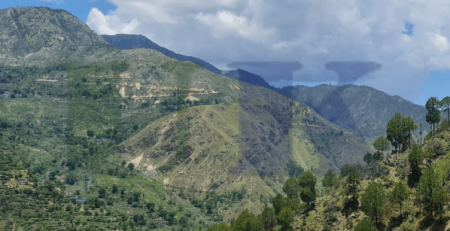
Cradled in the serene embrace of the Himalayas, Uttarakhand is more than just a destination – it’s a realm of wonder, divinity, and ancient mystery. Fondly known as “Devbhumi”, or “Land of the Gods”, this northern Indian state is steeped in mythology, rich in natural beauty, and brimming with tales that defy logic and stir the soul. While its sacred sites like Kedarnath, Badrinath, and the banks of the holy Ganga have long been pilgrimage hotspots, Uttarakhand holds secrets far beyond what the eye typically sees. Beneath its misty peaks and lush valleys lies a treasure trove of unbelievable stories, natural phenomena, and little-known marvels that few travelers ever fully uncover.
Where else can you find a lake filled with centuries-old human skeletons, a Shiva temple perched higher than any other on Earth, or a valley so full of wildflowers it seems painted by the gods themselves? This is a place where every mountain trail tells a legend, and every river sings a hymn of history. Uttarakhand is also a land of spiritual innovation and environmental contrast. It’s home to Rishikesh, the Yoga Capital of the World, where seekers from across the globe come for peace and practice. It also houses India’s first national park, protecting majestic Bengal tigers and rare wildlife. And yet, it faces modern challenges like the sinking town of Joshimath, a sobering reminder of nature’s delicate balance. From ancient myths and sacred shrines to scientific curiosities and celestial skies, Uttarakhand offers a landscape where the divine meets the dramatic. Whether you’re a pilgrim, a thrill-seeker, a nature lover, or simply someone drawn to the extraordinary this Himalayan gem promises to astonish you at every turn.
In this article, we explore 10 unbelievable facts about Uttarakhand each more fascinating than the last. Get ready to see this magical land as you never have before.
1. 🌊 Birthplace of India’s Sacred Rivers
Uttarakhand is home to the origin of two sacred rivers the Ganga and the Yamuna, which hold deep spiritual significance in Hinduism.
-
The Ganga begins at Gaumukh, the snout of the Gangotri Glacier, at an altitude of about 13,200 feet.
-
The Yamuna emerges from the Yamunotri Glacier, near the Champasar Glacier, at around 10,800 feet.
-
These sites are part of the Char Dham Yatra, attracting millions of pilgrims every year.
-
The daily Ganga Aarti at Haridwar is one of the most iconic spiritual rituals in India.
📌 Fact: According to Hindu mythology, Goddess Ganga descended to Earth to purify the souls of King Bhagirath’s ancestors.
2. 🕉️ World’s Highest Shiva Temple – Tungnath
Tungnath, located in Rudraprayag district, is the highest Shiva temple in the world at an elevation of 3,680 meters (12,073 ft).
-
Believed to be over 1,000 years old and built by the Pandavas.
-
Part of the Panch Kedar, associated with different body parts of Lord Shiva.
-
The 3.5 km trek to Tungnath is scenic and leads further to Chandrashila Peak, offering views of Chaukhamba and Nanda Devi.
📌 Fact: Despite its remote altitude, Tungnath is open to pilgrims in summer and closed in winter due to heavy snowfall.
3. 💀 Roopkund – The Mysterious Lake of Skeletons
Roopkund Lake, located at an altitude of 5,029 meters, is known for its chilling mystery hundreds of human skeletons visible when the snow melts.
-
The remains date back to the 9th century, with some showing signs of sudden death due to massive hailstorms.
-
DNA testing revealed two distinct groups: local Indians and Mediterranean-origin individuals, possibly pilgrims.
-
The trek to Roopkund passes through alpine meadows, forests, and glacier fields.
📌 Fact: National Geographic covered Roopkund as one of the most mysterious places on Earth.
4. 🎿 Auli – India’s Premier Ski Resort
Auli, located in Chamoli district, is one of India’s top skiing destinations, set between 2,500–3,050 meters altitude.
-
Hosted the South Asian Winter Games in 2011.
-
Offers Asia’s longest cable car ride (4 km) from Joshimath to Auli.
-
During summer, Auli turns into lush meadows with views of Nanda Devi, Hathi Ghoda, and Trishul.
📌 Fact: Auli has snow-making machines to maintain consistent skiing conditions even during dry winters.
5. 🐅 Jim Corbett National Park – India’s First Tiger Reserve
Established in 1936 as Hailey National Park, Jim Corbett is India’s first and oldest national park.
-
Named after British hunter and naturalist Jim Corbett.
-
Spread over 1,300+ sq. km, the park is rich in flora and fauna and home to 250+ wild tigers.
-
Popular safari zones: Dhikala, Bijrani, Jhirna, and Dhela.
📌 Fact: Jim Corbett’s book Man-Eaters of Kumaon brought global attention to tiger conservation in India.
6. ✨ The Only State with Both Char Dham and Panch Kedar
Uttarakhand is the only Indian state that hosts both:
-
Char Dham: Badrinath, Kedarnath, Gangotri, and Yamunotri – the four sacred shrines of Hinduism.
-
Panch Kedar: Kedarnath, Tungnath, Rudranath, Madhyamaheshwar, and Kalpeshwar – each associated with a form of Lord Shiva.
These pilgrimage routes are steeped in mythological significance and draw spiritual seekers from all over the world.
📌 Fact: These shrines are believed to have been established by the Pandavas during their quest for atonement.
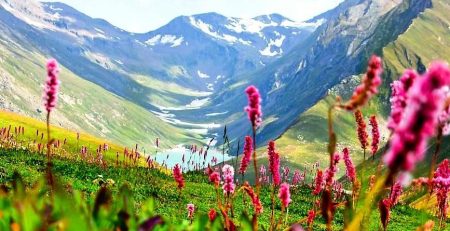
7. 🌸 Valley of Flowers – A Living Canvas of Colors
Tucked in the Chamoli district, the Valley of Flowers is a UNESCO World Heritage Site known for its vibrant alpine blooms.
-
Discovered by Frank Smythe in 1931, it lies at an altitude of 3,658 meters.
-
More than 500 species of flowers bloom here between June and September, including blue poppies and Brahma Kamal.
-
Also home to endangered species like the snow leopard and Himalayan musk deer.
📌 Fact: Local legends say the valley is where gods descend to rest among the flowers.
8. ⚠️ Joshimath – A Town in Crisis
Joshimath, a spiritual and trekking base, has been facing serious land subsidence.
-
In early 2023, over 700 buildings developed cracks due to unstable ground.
-
Located on an ancient landslide zone, the town is geologically fragile.
-
Despite the risk, it remains the winter seat of Lord Badrinath and a key access point to Auli and Hemkund Sahib.
📌 Fact: Authorities are now implementing rehabilitation plans, but the town’s future remains uncertain.
9. 🌌 Binsar – Where the Milky Way Meets the Himalayas
Binsar, a quiet hill station in Almora district, offers unmatched night skies and Himalayan views.
-
Situated at 2,420 meters, it has little to no light pollution, ideal for stargazing and astrophotography.
-
Home to Binsar Wildlife Sanctuary, which protects 200+ bird species and wild animals like leopards and Himalayan black bears.
-
Zero Point viewpoint offers sweeping vistas of Nanda Devi, Trishul, and Kedarnath peaks.
📌 Fact: Binsar was once the summer capital of the Chand dynasty of Kumaon.
10. 🧘♂️ Rishikesh – The Yoga Capital of the World
Located on the banks of the holy Ganga, Rishikesh is globally known as the birthplace of modern yoga tourism.
-
The Beatles visited Maharishi Mahesh Yogi’s ashram here in 1968, bringing international fame to the town.
-
Hosts the International Yoga Festival every year in March.
-
Offers adventure activities like white-water rafting, cliff jumping, and bungee jumping, blending spirituality and thrill.
-
Famous ashrams: Parmarth Niketan, Sivananda Ashram, and Swarg Ashram.
📌 Fact: Rishikesh has a long-standing ban on alcohol and meat, reinforcing its spiritual and sattvic environment.
FAQs
What makes Uttarakhand a unique travel destination compared to other Indian states?
Uttarakhand offers a rare blend of spirituality, adventure, and nature. It’s home to ancient pilgrimage sites like the Char Dham and Panch Kedar temples, pristine natural wonders such as the Valley of Flowers and Jim Corbett National Park, and adventure hubs like Auli and Rishikesh. This combination of cultural heritage, ecological diversity, and thrill-seeking activities makes it unlike any other state in India.
Which sacred rivers have their origin in Uttarakhand, and why are they important?
The Ganga and Yamuna rivers both originate from Uttarakhand’s high Himalayan glaciers Gangotri and Yamunotri respectively. These rivers hold immense religious significance in Hinduism as symbols of purity and spiritual cleansing. Pilgrims travel from across India and the world to bathe in their holy waters, believing it absolves sins and purifies the soul.
Could you explain what the Char Dham and Panch Kedar pilgrimages involve?
The Char Dham pilgrimage consists of visiting four sacred shrines: Badrinath, Kedarnath, Gangotri, and Yamunotri. These sites are spread across the state’s rugged terrain and are considered highly auspicious. The Panch Kedar comprises five Shiva temples – Kedarnath, Tungnath, Rudranath, Madhyamaheshwar, and Kalpeshwar — each linked to legends of Lord Shiva’s different body parts manifesting at these locations. Undertaking these pilgrimages is believed to bring spiritual merit and liberation.
What is the story behind the skeletons found in Roopkund Lake?
Roopkund Lake, often called the Skeleton Lake, contains the skeletal remains of hundreds of people who died suddenly around the 9th century. Scientific investigations suggest a violent hailstorm likely caused their deaths. Interestingly, DNA tests have revealed that some remains belonged to people of Mediterranean descent, implying ancient pilgrimage or trade connections. The exact circumstances and identities remain a subject of ongoing research and intrigue.
Why is Tungnath Temple considered the highest Shiva temple in the world, and how accessible is it?
Tungnath Temple sits at a lofty 3,680 meters and is renowned as the highest temple dedicated to Lord Shiva. It forms part of the Panch Kedar circuit and is believed to date back over a thousand years. The temple is accessible via a moderate trek from the base at Chopta, making it reachable for many pilgrims and trekkers during the snow-free summer months. Its high altitude and historic significance draw devotees and nature lovers alike.
Can you go skiing in Uttarakhand, and what makes Auli special as a skiing destination?
Yes, Uttarakhand’s Auli is one of the best skiing destinations in India, equipped with natural slopes and artificial snow-making facilities. It offers slopes suitable for beginners and experienced skiers alike and hosts national and international skiing events. Auli’s breathtaking Himalayan views, including peaks like Nanda Devi, combined with its cable car connectivity, provide a unique skiing experience in India.
What distinguishes Jim Corbett National Park from other wildlife reserves?
Jim Corbett National Park is India’s oldest national park, established in 1936 and named after hunter-turned-conservationist Jim Corbett. It is famous for its large tiger population and rich biodiversity, including elephants, leopards, and over 650 bird species. The park was the first to be incorporated into Project Tiger, India’s flagship tiger conservation program. Its combination of varied terrain and wildlife makes it a top choice for safari enthusiasts.
What makes the Valley of Flowers a UNESCO World Heritage Site, and when is the best time to visit?
The Valley of Flowers boasts a stunning array of over 500 species of alpine flowers that bloom vibrantly during the monsoon season from June to October. Its untouched meadows and endemic species provide both ecological and aesthetic value, leading to its UNESCO designation. Trekkers and nature lovers flock here for its breathtaking natural beauty and to witness rare Himalayan flora and fauna in a pristine environment.
Is Joshimath safe for tourists given the recent land subsidence issues?
Joshimath is currently facing geological challenges with land subsidence causing cracks and structural damage. While parts of the town are still accessible, visitors are advised to stay informed about safety updates and follow local guidance. Authorities are working on rehabilitation and disaster management plans. Caution is necessary if planning to visit this important spiritual and trekking base.
Why is Rishikesh called the Yoga Capital of the World, and what activities can visitors enjoy there?
Rishikesh earned its global title as the Yoga Capital due to its long-standing tradition of yoga, meditation, and spirituality. Visitors can attend yoga schools, participate in spiritual retreats, and witness the famous Ganga Aarti ceremony. Besides spirituality, Rishikesh offers adventure sports like white-water rafting, bungee jumping, and trekking, making it a well-rounded destination for wellness and adventure seekers.
Uttarakhand stands as a captivating mosaic of spirituality, nature, history, and adventure, woven seamlessly into the majestic backdrop of the Himalayas. From the icy origins of India’s holiest rivers, the Ganga and Yamuna, to the vibrant blooms of the Valley of Flowers, every corner of this land tells a story that is both timeless and awe-inspiring. The ancient temples, such as the world’s highest Tungnath Shiva temple and the sacred Char Dham and Panch Kedar shrines, echo with centuries of devotion and myth, drawing millions seeking spiritual enlightenment and peace. Yet, Uttarakhand is not just a haven for the spiritually inclined. It thrills adventure seekers with world-class skiing in Auli, heart-pounding river rafting in Rishikesh, and challenging high-altitude treks like Roopkund, where history and mystery intertwine. The rich biodiversity of Jim Corbett National Park and serene sanctuaries like Binsar provide sanctuary to rare wildlife and bird species, showcasing the state’s commitment to preserving nature’s wonders.
Even as Uttarakhand faces modern challenges, such as the fragile geology of towns like Joshimath, its resilient spirit and natural grandeur continue to inspire awe and respect. This Himalayan state is much more than a destination; it is a transformative experience offering visitors a profound connection with the divine, an embrace of raw natural beauty, and a journey into the depths of India’s cultural soul. For travelers, pilgrims, nature lovers, and adventure enthusiasts alike, Uttarakhand promises an unforgettable voyage where every path leads to discovery, every mountain echoes with legends, and every river carries the flow of ancient wisdom. Truly, Uttarakhand is not just the Land of the Gods – it is a living testament to India’s spiritual heritage and natural splendor, waiting to be explored and cherished.